
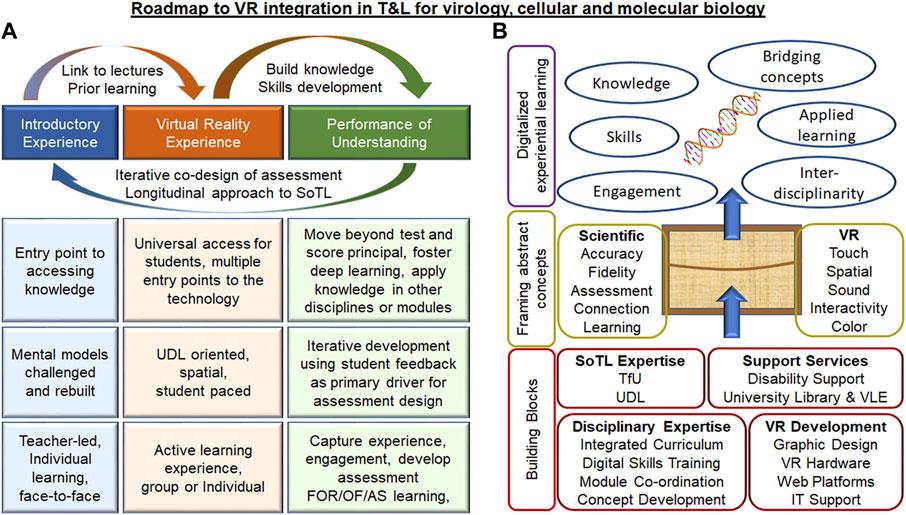
Overcoming Integration Challenges: How to Successfully Embed VR/AR in Modern Curricula
Virtual Reality (VR) and Augmented Reality (AR) are revolutionizing the educational landscape, offering immersive learning experiences and bringing abstract concepts to life. However, embedding VR/AR technology into modern curricula poses its own set of integration challenges. In this comprehensive article, we’ll delve into the benefits, obstacles, and proven strategies to help educators successfully weave VR/AR into everyday classroom routines. Whether you are an administrator, teacher, or educational technologist, you’ll find actionable insights and inspiration to move beyond the hype and achieve real results.
Why Embedding VR/AR in Curricula matters
Educational technology continues to evolve, and integrating VR/AR in the curriculum is fast becoming essential for schools aiming to cultivate future-ready learners. modern curricula face demands to engage students, personalize learning, and prepare them for increasingly digital careers. VR/AR offers unique advantages such as:
- Enhanced Engagement: interactive VR/AR activities capture student attention and spark curiosity, making lessons more memorable.
- Active Learning: Students can manipulate virtual objects, collaborate in virtual spaces, and experience topics hands-on—transforming passive learning into immersive exploration.
- Deeper Understanding: Complex subjects (e.g., anatomy, astronomy, mathematics) can be visualized and understood more easily via 3D models and simulations.
- Inclusivity: VR/AR helps accommodate various learning styles and can be customized for individual needs.
- Global Access: Virtual field trips transport students to cultural landmarks and scientific sites without logistical constraints.
Key Challenges to VR/AR Integration in Education
Despite their promise, many educators encounter roadblocks when incorporating VR/AR in the curriculum. Recognizing and tackling these integration challenges is crucial for prosperous adoption. Common barriers include:
- High Costs: VR/AR hardware (headsets, computers) and quality software require important investment, often exceeding school budgets.
- Lack of Expertise: Teachers and IT staff may not be familiar with emerging VR/AR tools, needing professional advancement to confidently utilize them.
- curriculum Alignment: Integrating VR/AR seamlessly with learning objectives and state standards can be arduous,especially without tailored content.
- Infrastructure Limitations: Adequate internet bandwidth, device management, and classroom space must be addressed.
- Student Accessibility: Not all students may have access to required devices,raising equity concerns.
Practical Strategies for Integrating VR/AR in Modern curricula
To overcome integration challenges and fully realize the benefits of VR/AR in education, educators and administrators should follow proven strategies. Here’s how to move forward:
1. Start Small, Scale Gradually
- Identify curriculum units where VR/AR can have the biggest impact (e.g., science experiments, historical simulations).
- Run pilot programs with a small group of classes to gauge effectiveness and work out technical hiccups.
2.Focus on professional Development
- Provide continuous training and workshops for educators, including hands-on sessions and peer mentoring.
- Create resource libraries with tutorials, guides, and lesson templates on VR/AR integration.
3. Prioritize Curriculum Alignment
- Collaborate with curriculum designers and subject matter experts to ensure content meets standards and learning goals.
- Leverage both off-the-shelf apps and custom development,choosing solutions that map directly to objectives.
4. Address Infrastructure needs
- Upgrade or supplement network bandwidth to support real-time VR/AR experiences.
- Invest in device management platforms to simplify software deployment and updates.
5. Promote Equity and Accessibility
- Source affordable or shared VR/AR resources through grants and community partnerships.
- Choose applications with built-in accessibility features (e.g., adjustable text size, voice controls).
6. Assess and Iterate
- Regularly collect feedback from students and teachers about VR/AR learning experiences.
- Adjust curricular plans and technology use based on measured outcomes and engagement levels.
Case Studies: VR/AR Integration Success stories
Learning from real-world implementation helps highlight best practices and potential pitfalls. Let’s look at two brief case studies showcasing successful VR/AR integration:
Case Study 1: Enhancing anatomy Classes with VR
A forward-thinking high school science department introduced VR headsets and anatomy software for advanced biology classes.Students reported increased engagement and comprehension when dissecting virtual human organs compared to customary textbooks. Teachers designed guided lessons using VR modules mapped to state standards, and the department secured a technology grant covering hardware costs. Ongoing staff training ensured sustainable adoption.
Case Study 2: Augmented History field Trips
An elementary school partnered with a local AR app developer to create an interactive “history walk” on campus. Using tablets, students scanned markers to view historical reenactments and 3D artifacts overlaying the real environment. The project improved students’ retention of historical facts and fostered excitement for learning, leading administrators to expand AR resources school-wide.
First-Hand Experience: Teacher Perspectives on VR/AR Adoption
Educators at the forefront of VR/AR integration share some important lessons:
- Plan for Technical Glitches: Initial rollout often faces connectivity or software issues—having IT support on standby is essential.
- Empower Student Agency: Let students create their own virtual scenes and projects to foster creativity and deeper understanding.
- Pace Lessons Mindfully: New technology can overwhelm both teachers and learners; keep activities focused and session lengths manageable.
- engage parents: Host VR/AR showcase events so families understand how these tools enhance learning, garnering community support.
Maximizing the Benefits of VR/AR in Education
For VR/AR to make a lasting impact, integration must be purposeful and continuously evaluated. Remember these ongoing strategies:
- Keep Learning: Stay informed about the latest VR/AR educational apps, research, and best practices by subscribing to ed-tech newsletters and attending conferences.
- Build Partnerships: Collaborate with technology companies, museums, and local organizations for resource sharing and content co-development.
- Encourage Reflection: Let students share feedback, project outcomes, and even suggestions for improvements to foster a participatory learning culture.
Conclusion: navigating the Path to Successful VR/AR Integration
While obstacles remain, embedding VR/AR technologies in modern curricula is an achievable goal when approached strategically. By assessing your school’s resources, gradually introducing new experiences, investing in professional development, and prioritizing equity, the transformative potential of VR/AR can be unlocked for every learner.The future of education is immersive,interactive,and student-centered—so take the first step today to overcome integration challenges and redefine what’s possible in your classrooms.
Ready to start your VR/AR journey?
Explore free tools, connect with expert educators, and discover grant opportunities to bring immersive learning into your curriculum. The future is now—create those unforgettable learning moments!