
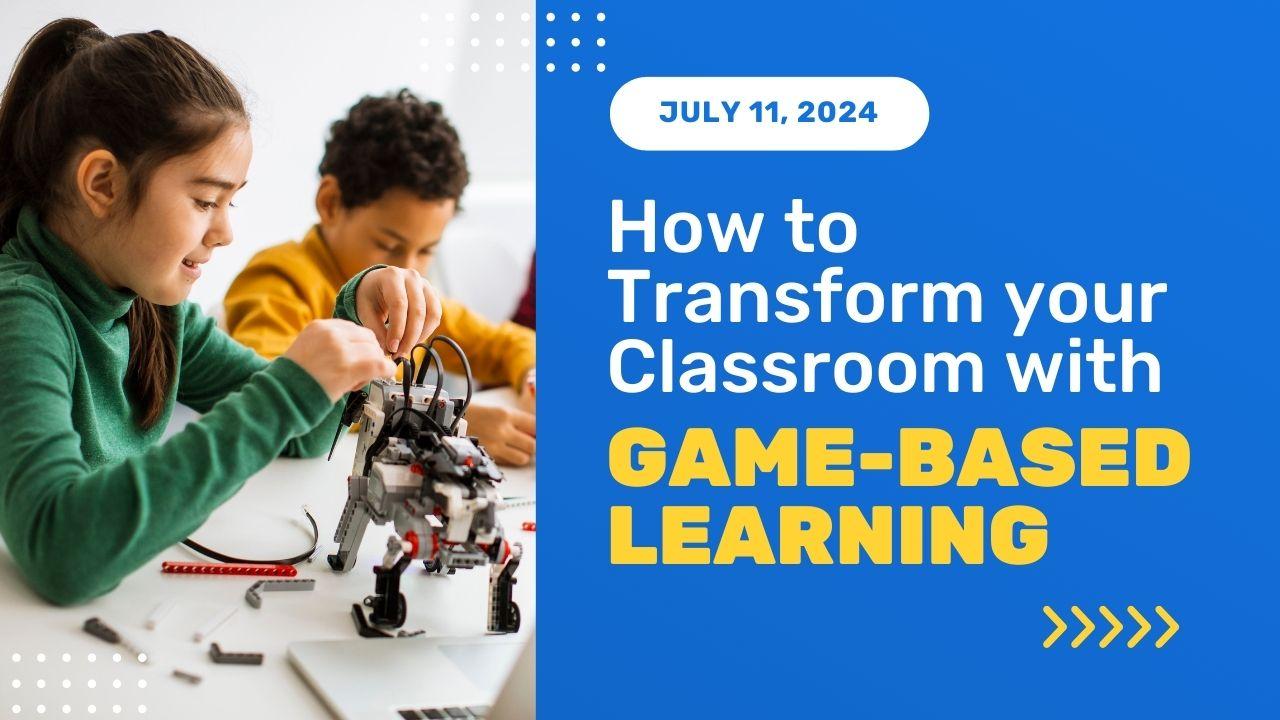
Overcoming Top Challenges in Implementing Game-Based learning in Education
Game-based learning is revolutionizing the educational landscape by making lessons engaging,interactive,and fun. As educators worldwide strive to incorporate game-based learning in education, challenges such as limited resources, lack of technical know-how, and classroom management frequently enough stand in their way. This thorough guide will help you understand these obstacles and provide actionable strategies to overcome them, ensuring successful adoption of game-based learning in classrooms.
What is Game-Based Learning?
Game-based learning involves using games—digital or analog—as tools for teaching and learning. By integrating playful elements with curriculum objectives,students gain hands-on experience and acquire knowledge in a more engaging way.The result is improved motivation, retention, and overall development.
The Benefits of Game-Based learning for Education
- Enhanced Engagement: students are naturally attracted to games, which keeps them focused during lessons.
- Active Learning: Games promote collaboration, problem-solving, and creativity.
- Immediate Feedback: Many games provide instant feedback, crucial for learning and adaptation.
- Personalized education: Game-based learning adapts to students’ individual learning styles and paces.
- Real-World Skills: Students develop critical thinking, teamwork, and digital literacy.
Top Challenges in Implementing Game-Based Learning in Education
Despite its immense potential, implementing game-based learning is not without hurdles. Here are the most common challenges educators face:
1. Limited Resources and Funding
High-quality educational games and required technology (like tablets or computers) may be expensive. Schools with limited budgets struggle to invest in necesary tools and software for effective game-based learning.
2. Insufficient Teacher Training
Effective use of game-based learning requires teachers to be comfortable with technology and game mechanics. Lack of training leads to improper integration and missed learning opportunities.
3. Curriculum Alignment Issues
Games sometimes fail to align with curriculum standards or learning outcomes, making it tough for educators to justify their time investment.
4. Classroom Management challenges
Games can lead to distractions,off-task behavior,or dominance by more tech-savvy students.Balancing fun and focus is critical for success.
5. Resistance to Change
Some educators and stakeholders may view game-based learning skeptically, preferring traditional teaching methods. Overcoming this mindset is essential for broader adoption.
6.assessment and Measuring Learning Outcomes
Standardized tests may not capture the depth of learning offered by games,making it hard to measure progress and justify game-based approaches.
Practical Tips to Overcome Game-Based Learning Challenges
Here are proven strategies and solutions for addressing these barriers and integrating game-based learning in your classroom:
1. Seek Cost-Effective Solutions
- Utilize free or open-source educational games.
- Leverage existing technology, such as students’ smartphones or library computers.
- Apply for grants or partner with technology companies for reduced pricing.
2. Invest in Teacher Training and Support
- Host workshops focused on game-based learning methodology and tools.
- Encourage peer-to-peer sharing of lesson plans and game recommendations.
- Implement mentorship programs for teachers new to educational gaming.
3. Carefully Map Games to Curriculum Goals
- Select games with clear educational objectives linked to curriculum standards.
- Customize or adapt game scenarios to focus on target learning outcomes.
- Collaborate with curriculum developers to align games within lesson plans.
4. Foster inclusive and Equitable Game Environments
- Set clear rules and expectations for in-game behavior.
- Rotate team roles to ensure fairness and broad participation.
- Monitor engagement levels and adapt games for varying abilities.
5. build Stakeholder Buy-In
- Present research evidencing positive impacts of game-based learning.
- Organize pilot programs to showcase success stories to administrators and parents.
- Collect and publish student testimonials highlighting increased motivation and achievement.
6. Design Authentic Assessment Techniques
- Use rubrics to evaluate collaboration, creativity, and problem-solving during gameplay.
- Combine game performance data with traditional assessments.
- incorporate reflective exercises, such as journals or presentations, to measure understanding.
Case Studies: Successful Game-Based Learning Implementations
Case Study 1: Minecraft in Primary Education (Finland)
finnish schools have integrated Minecraft to teach subjects like math and history. Teachers ran project-based lessons where students collaboratively designed ecosystems and ancient cities, developing spatial reasoning, teamwork, and subject knowledge. The result? Improved engagement and cross-disciplinary understanding.
Case Study 2: Kahoot! for Formative assessment
Schools worldwide use Kahoot! to administer quizzes and poll student understanding in real-time. Teachers report increased participation and faster identification of knowledge gaps, enabling targeted instruction.
Case Study 3: Classcraft for SEL Development (USA)
Through adventure-based learning using Classcraft, teachers in American middle schools fostered empathy, teamwork, and conflict resolution. students earned points by helping peers and completing academic goals, leading to improved classroom culture and interpersonal skills.
First-hand Experiences: Educators Share Insights
“Initially, I was skeptical about using games for learning, but after integrating games like Math Blaster in my lessons, my students’ numeracy improved significantly. Games provide instant feedback and turn mistakes into valuable learning opportunities.”
– Ms. Anita K., Elementary School Teacher
“Classroom management was a challenge at first. Setting ground rules and using break-out activities helped channel the energy positively. My students now see learning through games as an earned privilege, which motivates them to stay on track.”
– Mr. Lee B., High School Educator
Frequently Asked Questions About Game-Based Learning in Education
- Is game-based learning suitable for all age groups?
yes! With age-appropriate games, students from kindergarten to university level benefit from game-based approaches.
- How do I choose the right educational game?
Look for games that align with your learning objectives, are easy to implement, and have reviews or endorsements from educational professionals.
- do games replace traditional teaching?
No, games are a supplement to traditional methods, enhancing engagement and deepening understanding.
Conclusion: The Way Forward for Game-Based Learning
Game-based learning in education holds enormous promise for building dynamic, effective, and inclusive classrooms. while challenges exist—from funding to training—they can be overcome with strategic planning, collaboration, and openness to new teaching paradigms.
By understanding and addressing major obstacles, educators empower students with skills for the 21st century: critical thinking, adaptability, and a love for lifelong learning. Take inspiration from global success stories and practical tips above to create your own game-based learning journey and make education more engaging for every student!