
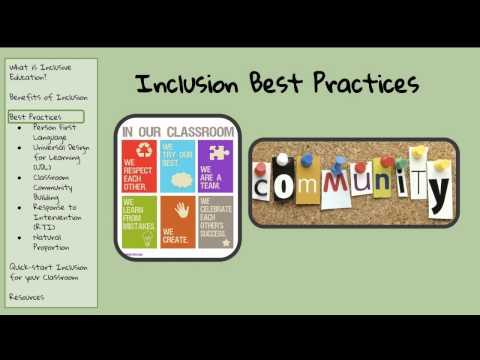
Parental Perspectives on Inclusive Education: Insights, Challenges, and Benefits for Students
Introduction
Inclusive education has transformed the modern classroom by embracing diversity and ensuring equal opportunities for all learners, nonetheless of their abilities or backgrounds. As this educational model continues to gain momentum worldwide,parental perspectives on inclusive education play a pivotal role in shaping its effectiveness.Parents are not just advocates for their children but also key collaborators in promoting a supportive and enriching learning surroundings for every student. This article explores insights, challenges, and the wide-ranging benefits of inclusive education, with practical tips and real-life experiences to help parents and educators foster genuine inclusion.
What Is Inclusive Education?
Inclusive education refers to an educational approach where students with diverse needs learn together in the same classrooms. It seeks to break down barriers to learning so all students, including those with disabilities or special educational needs, benefit from high-quality instruction and full participation.
- All children: Both typically developing students and those with disabilities learn side by side.
- Equal opportunities: Every student has access to the same curriculum, resources, and extracurricular activities.
- Respect for diversity: Inclusive education values differences and adapts teaching methods to accommodate various learning styles.
Parental insights on Inclusive Education
The voices of parents offer valuable insights into how inclusive education impacts students and families. According to various studies, parents express a range of opinions, including hope for academic achievement, concerns about adequate support, and a desire for community acceptance.
Positive Parental Feedback
- Personal Growth: Parents report that inclusive settings help their children develop self-confidence and independence.
- Improved Social Skills: Students learn to interact with peers of different abilities, fostering empathy and cooperation.
- peer Acceptance: Inclusion leads to stronger friendships and greater understanding among classmates.
Common Parental Concerns
- Resource Availability: Some parents worry that teachers may lack resources or training to address diverse needs effectively.
- Individual Attention: Concerns about whether their child will receive personalized support in a larger, mixed-ability classroom.
- Peer Interactions: Fears about potential bullying or social isolation for children with visible or invisible disabilities.
Benefits of Inclusive Education for Students
The advantages of inclusive education extend far beyond academics. Parental perspectives reveal several key benefits for children both with and without disabilities:
- Academic Achievement: Inclusive classrooms use differentiated instruction, which can improve engagement and academic performance for all students.
- Diversity Awareness: Children learn about acceptance, respect, and celebrating differences from an early age.
- Dialog skills: Cooperative learning activities encourage students to develop effective communication strategies.
- Preparation for Real Life: Inclusive settings mirror the diversity of society, preparing students for future workplaces and communities.
according to research published in the Journal of Inclusive Education, students in inclusive classrooms often demonstrate higher motivation, improved self-esteem, and greater academic persistence.
Challenges Faced by Parents in Inclusive Education
While the benefits are compelling, parents also encounter several challenges as they navigate inclusive education for their children:
- Lack of Training: General education teachers may not always receive sufficient training on inclusive strategies or individualized support.
- Resistance to Change: Some communities or school staff may be hesitant to embrace inclusive education fully.
- Access to Resources: Schools may face budget constraints, impacting access to specialized therapists, aides, or materials.
- Miscommunication: Clear, ongoing communication between parents, teachers, and administrators is often lacking.
Parent Testimonial: “We needed regular updates and more collaboration with the school to feel confident that our son’s unique learning needs where being met. Open communication made all the difference.”
Case Studies and Firsthand Experiences
Real-life examples highlight the diversity of parental perspectives on inclusive education and demonstrate both the positive outcomes and ongoing areas for improvement.
Case Study 1: Building Confidence Through Inclusion
Sarah, mother of an 8-year-old with Down syndrome, shares: ”My daughter thrived when she joined an inclusive classroom. Her classmates became her biggest supporters, and her reading skills improved more than we ever imagined.”
Case Study 2: Addressing Initial Concerns
Mark, whose son has ADHD, initially felt worried about teachers managing behavior in an inclusive setting. After meeting with educators and developing a personalized learning plan, Mark noticed remarkable improvement in his son’s attention, social skills, and overall happiness at school.
Practical tips for Parents Supporting Inclusive Education
- Collaborate with Educators: Build positive, communicative relationships with teachers and support staff.
- Stay Informed: Familiarize yourself with inclusive education policies,individualized education programs (IEPs),and available school resources.
- Advocate for Your Child: Don’t hesitate to request meetings, accommodations, or extra support if needed.
- Encourage Social Inclusion: Help organize playdates, extracurricular activities, or peer mentoring opportunities outside class.
- Promote Open dialogue: Listen to your child’s experiences and encourage them to express their needs and concerns.
- join Parent Networks: Connect with other families in similar situations to share advice, resources, and emotional support.
Conclusion
The journey toward inclusive education is filled with both promise and challenges, as demonstrated by the diverse parental perspectives on the topic. While concerns about resources, communication, and individualized support remain, the overwhelming evidence points to the significant benefits of inclusion for all students.Parents are vital advocates and partners in creating environments where every child, no matter their abilities, can learn, grow, and thrive. By fostering collaboration, understanding, and proactive engagement, families can help shape a future where inclusive education is not just a policy—but a lived, daily reality for every learner.
If you’re a parent beginning your inclusive education journey,remember that your involvement,advocacy,and perspective are essential for your child’s success and for building a truly inclusive school community.