
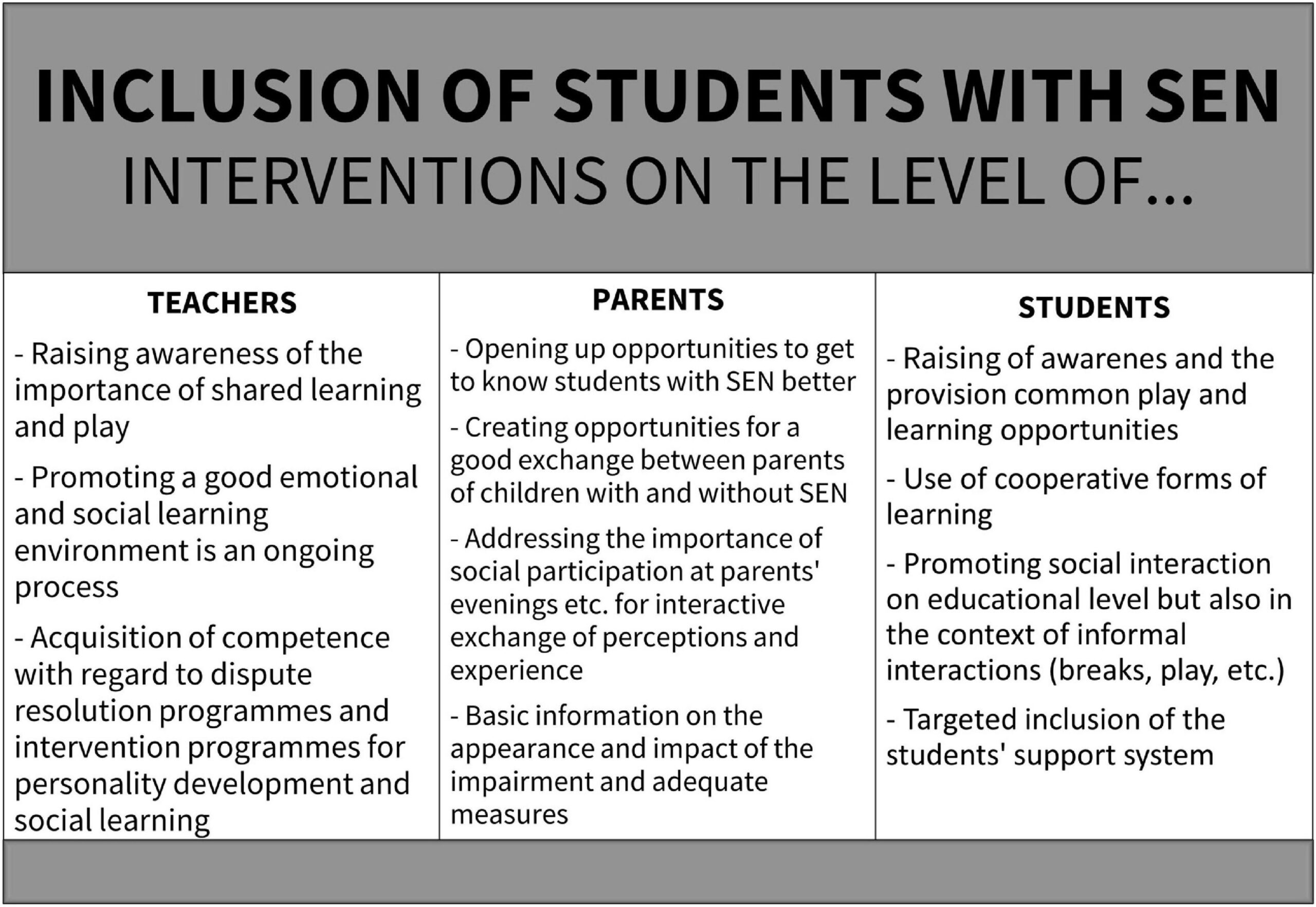
Parental Perspectives on Inclusive Education: Insights, Challenges, and Key Solutions
As education systems worldwide move towards greater inclusivity,understanding parental perspectives on inclusive education becomes essential. Parents play a pivotal role as advocates, collaborators, and partners in fostering inclusive environments for children wiht diverse learning needs. This article explores how parents view inclusive education,the benefits,challenges they encounter,firsthand experiences,and actionable solutions to help schools and families create successful inclusive classrooms.
What is Inclusive education?
Inclusive education is a teaching approach that ensures students of all abilities, including those with disabilities or special educational needs, learn together in mainstream classrooms. It values diversity and promotes equal access to educational opportunities.rather than separating children based on ability, inclusive education aims to provide tailored support, accessible learning materials, and positive social environments for everyone.
Why Parental Perspectives Matter in Inclusive Education
Parents are children’s frist teachers and strongest advocates. Their insights often reveal how inclusive practices impact family life, academic achievement, and social development.understanding their perspectives helps educators and policymakers:
- Identify gaps between policy and practice
- Shape more effective inclusive strategies
- Create stronger school-family partnerships
- Foster trust and communication within the school community
Key Insights from Parental Perspectives
Parents’ views on inclusive education are shaped by personal experiences, cultural beliefs, and the specific needs of their children. Here are several themes that emerge from interviews and studies:
- Hope for Belonging: Most parents desire social acceptance and positive peer relationships for their children in inclusive settings.
- Academic Aspirations: Parents appreciate when inclusive classrooms offer high expectations, differentiated instruction, and support that enables success.
- Concerns About Individual Support: Parents worry if their child’s unique needs are being adequately met in a mainstream environment.
- Desire for Teacher Competence: The skill and empathy of teachers are paramount. Parents seek educators who are trained in inclusive practices.
- Communication is key: Regular updates and openness from school staff are crucial for building trust with families.
Real-Life Experience: A Parent’s Voice
“when my daughter was welcomed in her fifth-grade class, it changed everything for her confidence. But we still had to push for the right support. Having honest conversations with teachers made a huge difference.” — Mother of a child with dyslexia
Common Challenges Faced by Parents in Inclusive education
Despite critically important progress, many families encounter obstacles when navigating inclusive schooling:
- Lack of Resources: Schools may have limited funding for aides, adaptive technology, or specialist support.
- Teacher Training Gaps: Not all educators are equipped with sufficient knowledge or skills in inclusive practice.
- Stigma and Social Barriers: Parents worry about bullying, labeling, or social isolation of their children.
- Inconsistent Implementation: The quality of inclusion often differs widely between classrooms, even within the same school.
- Communication Breakdown: Without proactive dialog, misunderstandings or unmet expectations can arise between families and schools.
The Benefits of Inclusive Education from a Parental Viewpoint
Despite the challenges, many parents recognize the powerful benefits of genuine inclusion:
- Enhanced Social skills: Students learn to appreciate diversity, empathy, and cooperation.
- Higher Academic Motivation: Inclusive environments foster mutual encouragement and a culture of achievement.
- Improved Confidence & Self-Esteem: Children who feel accepted are more likely to take risks, ask questions, and engage in learning.
- Preparation for Real-World Diversity: Inclusive classrooms mimic the varied makeup of society, preparing all children for life beyond school.
Case Study: Making Inclusion Work—A Parent-Teacher Partnership
Derek, an 8-year-old with autism, joined a general education class. Initially, his mother was anxious about his adjustment.Through regular meetings, the teacher and special educator developed a personalized schedule and used visual supports. the school’s willingness to adapt and engage in ongoing communication led to derek’s academic and social growth. His mom shared, “I truly felt like a partner in my son’s education.”
Key Solutions: Supporting Parents and Inclusive Schools
Enhancing parental perspectives on inclusive education involves collaboration, awareness, and a commitment to continuous betterment. Here are practical solutions:
1. Foster Open Communication Channels
- schedule regular meetings with parents to discuss their child’s progress.
- Use accessible language, respect cultural differences, and actively listen to parental concerns.
- Provide digital platforms or apps for real-time updates and resource sharing.
2. Invest in Teacher Professional Development
- Offer comprehensive training on inclusive strategies, worldwide design for learning (UDL), and behavior management.
- Encourage teacher reflection and peer collaboration.
3. Build Community Awareness and Acceptance
- Organize workshops for students and parents on inclusion and disability awareness.
- Promote school-wide events celebrating diversity.
4. Collaborate on Individualized Support Plans
- Involve parents in developing and reviewing Individualized Education Programs (IEPs) or personalized learning plans.
- Set clear, measurable goals and strategies for both academic and social outcomes.
5. Enhance Resources and Support Services
- Advocate for increased funding for inclusive materials, assistive technology, and classroom aides.
- Connect families with local support networks and specialists as needed.
Practical Tips for Parents Navigating Inclusive Education
- Stay actively involved—attend meetings, ask questions, and offer feedback.
- Keep records of all communication with the school and your child’s progress.
- Foster your child’s advocacy skills; help them articulate their needs.
- Connect with other parents through support groups or online forums for inclusive education.
- Seek information on your rights and available accommodations under the law.
Conclusion: The Path Forward for inclusive Education and parental Engagement
Inclusive education thrives when parents, educators, and the broader community work together. While parental perspectives on inclusive education reveal both optimism and valid challenges, they also guide the journey towards more responsive, supportive, and equitable classrooms. By valuing parent voices, addressing obstacles, and investing in meaningful collaboration, schools can ensure that every child—regardless of ability—has the chance to learn, grow, and belong.
Related Resources:
– Inclusive Education Success Stories