
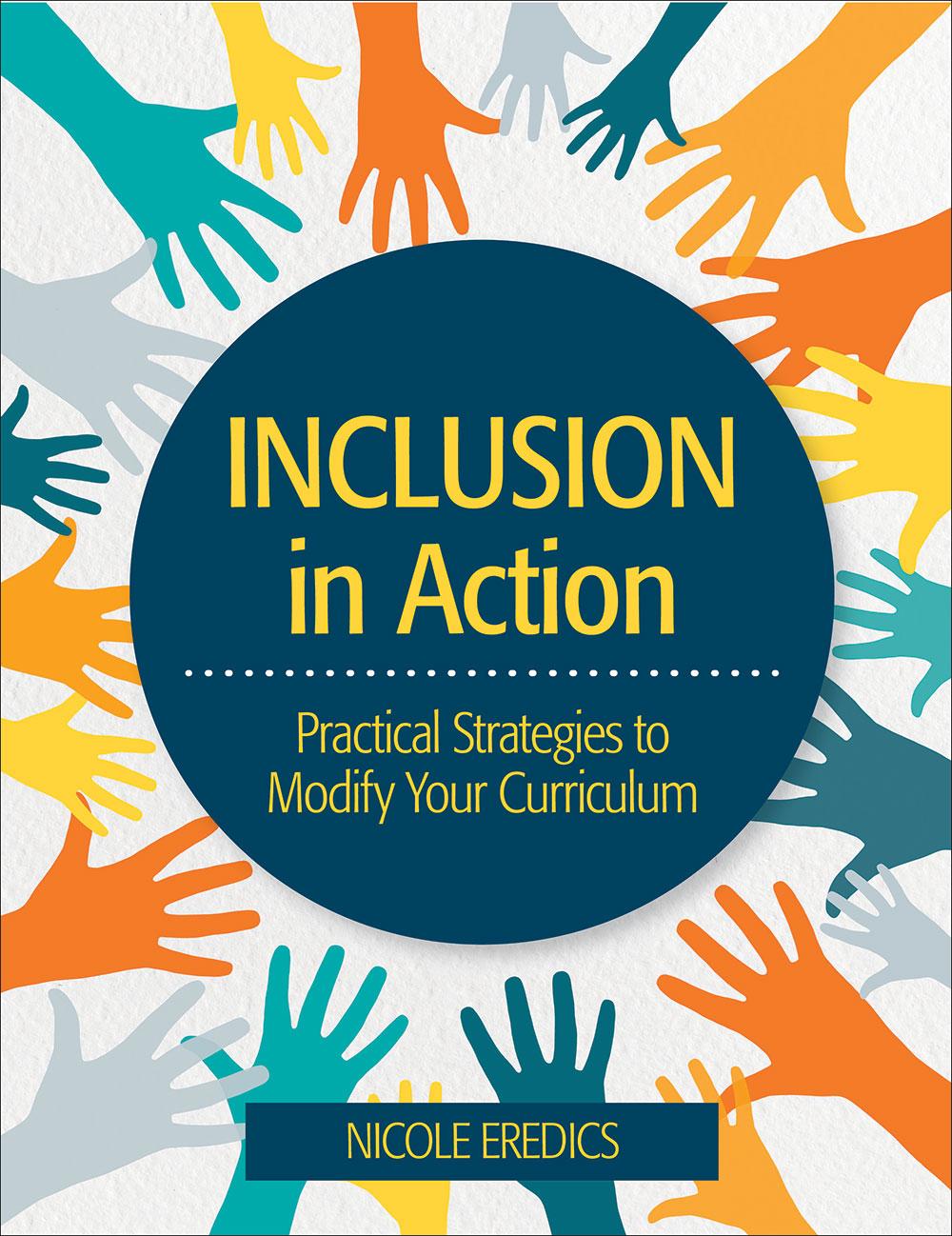
Parental perspectives on Inclusive Education: Insights, Challenges, and Opportunities
As the concept of inclusive education continues to shape classrooms worldwide, parents find themselves at the center of conversations about diversity, accessibility, and equality. Understanding parental perspectives on inclusive education is crucial for building supportive and effective learning environments for all children.
Understanding Inclusive Education
inclusive education refers to the process of educating students with diverse learning needs—such as physical, cognitive, or emotional challenges—alongside their peers in mainstream classrooms. The aim is to ensure equal access to quality education and foster an environment where every child is valued, respected, and empowered to reach their full potential.
why parental Perspectives Matter in Inclusive Education
Parents are essential stakeholders in the educational journey of their children. Their perspectives on inclusive education can influence:
- Advocacy for accessibility and support services
- Collaboration with teachers and school administrators
- Development of a positive school culture
- Policy formation and implementation
By understanding what matters to families, educators can address concerns, celebrate successes, and create more responsive inclusive learning environments.
Insights from Parents: What Do They Value About Inclusive Education?
Sense of Belonging and Social Growth
Many parents appreciate how inclusive education promotes a sense of belonging for their children, regardless of individual differences. The chance to build friendships, develop empathy, and learn social skills in an authentic setting is often cited as a key benefit.
Academic Achievement and Individualized Support
Parents of children with special needs note that inclusive classrooms allow for personalized accommodations without isolating their child.High expectations, coupled with tailored teaching methods, help children thrive academically.
Breaking Down Stigmas
inclusive education helps to normalize diversity and increase understanding among all students and parents, breaking down stigmas attached to disabilities or learning differences. Families value open class discussions and awareness campaigns.
Challenges Families Face in Inclusive Education
- Lack of Resources: Insufficient access to aides, specialized materials, or technology can hinder a child’s learning experience.
- Teacher Training: Many parents worry whether teachers have enough training in differentiated instruction and inclusion strategies.
- Communication Barriers: Miscommunication or lack of transparency between schools and families may lead to unmet needs.
- Peer Acceptance: Parents frequently enough express concerns about their child being socially isolated or bullied.
- Academic Pressures: Balancing individualized learning goals with standard curricula can be complex for educators and stressful for families.
Addressing these challenges requires coordinated efforts from school staff, policymakers, and the wider community to ensure inclusive education is meaningful and sustainable.
Opportunities and Practical Tips for Inclusive Education
Enhancing Home-School Collaboration
- Set regular meetings between parents, teachers, and support staff to monitor progress and adjust interventions.
- Share resources, milestones, and concerns openly to build trust and mutual understanding.
Building Inclusive School Culture
- Encourage inclusive events, such as awareness weeks, parent workshops, and buddy programs.
- Promote respect for diversity in every aspect of school life, from curriculum content to extracurricular activities.
Supporting peer Relationships
- Foster classroom dialogues about differences and commonalities to build empathy.
- encourage group projects and mixed-ability teams so children learn to collaborate and appreciate one another’s strengths.
Parental Advocacy
- Learn local and national education rights to better advocate for your child’s needs.
- Join parent support networks to share experiences and solutions with those who have similar concerns.
Case Study: A parent’s Viewpoint on Inclusion
“When my son, diagnosed with autism, entered an inclusive classroom, I was nervous. But regular meetings with his teacher and the special education team reassured me. The school created a ‘buddy system,’ and soon,my son was invited to birthday parties and learned new social skills. his academic progress exceeded our expectations, thanks to tailored lesson plans and the supportive class environment. Inclusive education benefited not just our son, but the whole family.”
— Sarah, Parent and advocate
This firsthand account illustrates how collaboration, targeted support, and a welcoming atmosphere can empower students and reassure their families.
Frequently Asked Questions (FAQ) About Parental Involvement in Inclusive Education
How can parents support inclusive classrooms?
Parents can support inclusive education by staying engaged with teachers,advocating for necessary resources,modeling positive attitudes about diversity at home,and volunteering for school activities.
What should parents do if their child is struggling in an inclusive setting?
Document your concerns and schedule a meeting with school staff to discuss possible adjustments. Work collaboratively to develop an updated Individualized Education Plan (IEP) if needed, and seek outside support if required.
How do schools and parents handle bullying or social exclusion?
Open communication is crucial. Schools should have anti-bullying policies and proactive inclusion measures. parents can report concerns and work with the school to find effective solutions, such as peer mentoring or social skills training.
Conclusion: embracing Inclusive Education Together
Parental perspectives on inclusive education bring invaluable insights that can shape more adaptive and caring learning environments. While there are undeniable challenges, the opportunities for growth, understanding, and achievement make inclusion worthwhile for all students. By fostering strong home-school partnerships,promoting empathy,and maintaining open communication,we can support every child’s right to a fulfilling educational experience.