
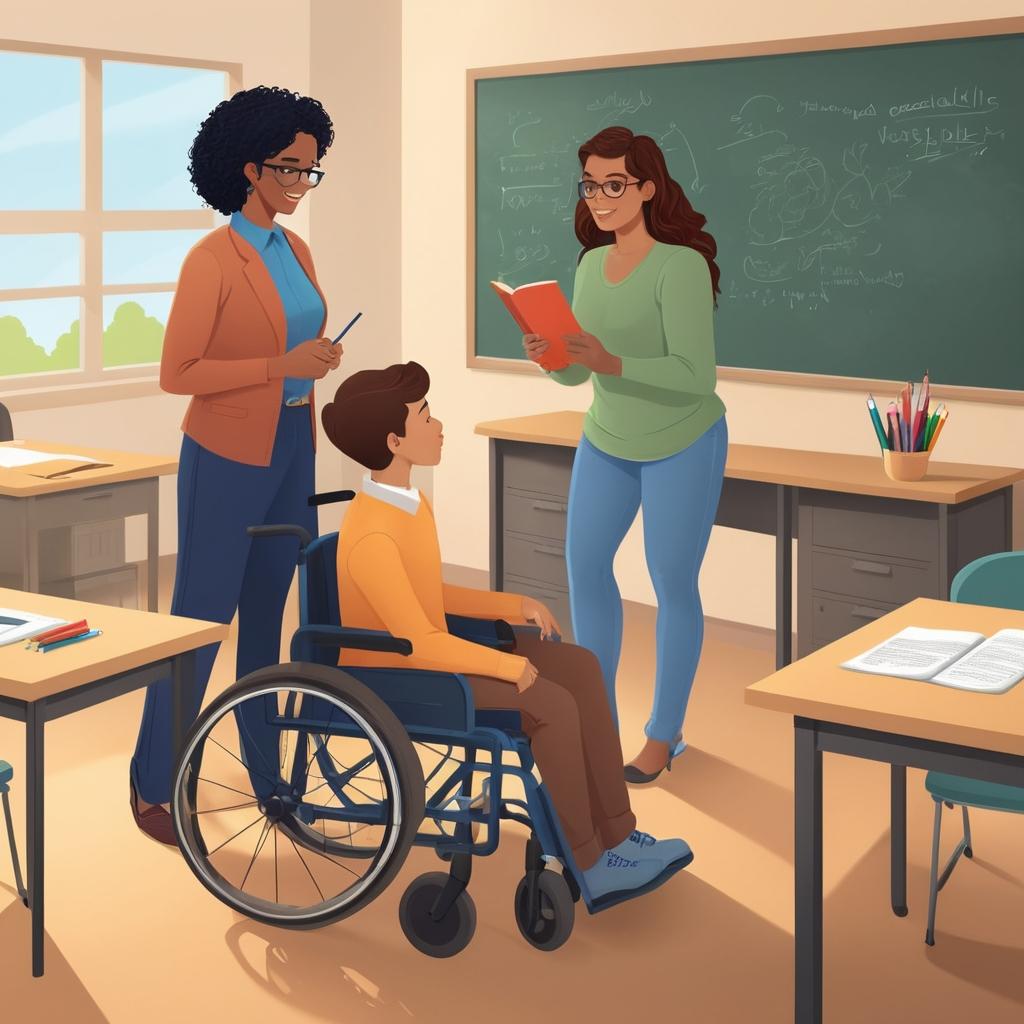
Parental Perspectives on Inclusive Education: Insights, Concerns, and Support Strategies
Inclusive education is increasingly recognized as a vital approach in schools, promoting the participation of students with diverse abilities in mainstream classrooms.Though, parents play a pivotal role in shaping the success of inclusive education. Understanding parental perspectives—insights, concerns, and support strategies—not only helps educational institutions refine their policies but also bolsters the growth of inclusive environments. This article brings together expert knowledge, firsthand experiences, and practical advice to deepen your understanding of what parents think, feel, and do regarding inclusive education.
What Is Inclusive education?
Inclusive education is the philosophy and practice of integrating students with disabilities, learning differences, and various backgrounds into general education settings. Rather than segregating students based on ability, inclusive education strives to cultivate a sense of belonging and equality. This approach enriches both academic and social experiences for all students, making classrooms more dynamic and adaptable.
Parental Insights on Inclusive Education
For many parents, the concept of inclusive education holds promise—and complexity. Their perspectives are shaped by personal experiences, cultural beliefs, and the specific needs of their children. Key insights frequently enough include:
- Emphasis on Belonging: Parents value their child’s right to feel accepted within a mainstream classroom. Inclusion helps foster friendships and shared social experiences.
- Holistic Development: Many parents note that inclusive settings contribute to their child’s emotional, cognitive, and social development.
- Individualized Support: Parents appreciate when schools offer tailored support to meet their child’s unique needs within the classroom, enabling them to thrive alongside peers.
- Advocacy and Partnership: Parents frequently enough see themselves as active partners in advocating for effective inclusive practices and collaborating with teachers and administrators.
Firsthand Experiences: Stories from Parents
Real stories illustrate the diverse and nuanced ways parents interact with inclusive education. For example:
“When our son started in an inclusive classroom, we were anxious.But seeing him develop friendships and his academic confidence grow reassured us. We realized how vital ongoing communication with teachers is—it made a huge difference.”
“We had concerns that our daughter’s needs wouldn’t be met in a mainstream setting. The school’s willingness to consult with us and create an individualized plan proved essential.”
Such firsthand experiences demonstrate that parental involvement and open communication are crucial to the success of inclusive education.
Common Parental Concerns About Inclusive Education
While parents generally support inclusive education, thay also voice legitimate concerns:
- Resource Limitations: Worries about the adequacy of resources, such as special education aides, individualized instruction, or adaptive technologies.
- Academic Progress: Concerns that children with special needs may not receive sufficient attention, possibly slowing their progress. Conversely, some worry that inclusion might affect the academic pace of other students.
- Social integration: The fear that children with disabilities may encounter bullying, isolation, or emotional distress in mainstream settings.
- Teacher Preparedness: Uncertainty about whether teachers have the training and capacity to address the wide range of learning needs within inclusive classrooms.
- Communication Barriers: Challenges in maintaining effective dialog between parents, educators, and administrators.
Addressing these concerns is pivotal for fostering a more supportive and successful inclusive education system.
Benefits of Inclusive Education for families and Students
Parents and educators alike observe a range of benefits resulting from inclusive education:
- Diverse Learning Experiences: Exposure to peers of varying abilities promotes empathy, patience, and adaptability in children.
- Strengthened Community Spirit: Inclusion helps build a culture of acceptance within schools, setting the stage for more equitable communities.
- Improved Academic Outcomes: Research indicates that inclusive settings often boost academic performance among both children with and without disabilities.
- Family Engagement: Inclusive education increases parental involvement in school activities,strengthening family-school partnerships.
Effective Support Strategies: Practical Tips for Parents
Support from parents is a keystone for the success of inclusive education.Here are actionable strategies that parents can employ:
- Communicate Regularly: Maintain ongoing dialogue with teachers and school administrators to monitor progress and address concerns proactively.
- Be Involved: Participate in school meetings, events, and parent committees focused on inclusion.
- Advocate for Resources: Collaborate with other parents to lobby for additional support staff, adaptive technologies, and specialized training for educators.
- Educate Yourself: Learn about inclusive education rights, school policies, and evidence-based practices by attending workshops and seeking reputable online resources.
- Encourage Social Connections: Facilitate playdates, extracurricular activities, and social interactions to help your child build relationships within the inclusive classroom.
- Promote Self-Advocacy: Teach your child to express their needs and aspirations, empowering them to take an active role in shaping their educational experience.
building Support Networks
Connection with other families facing similar challenges is invaluable. Parents report that involvement in peer support groups, online forums, and local disability advocacy organizations provides:
- Sharing of resources and frist-hand advice.
- Emotional support and solidarity.
- Collective advocacy for school or policy changes.
Case Studies: Succeeding Through collaboration
Examining successful inclusive education programs reveals the value of collaborative approaches. As an example:
- A suburban elementary school formed a family advisory board to co-create individualized learning plans,leading to improved academic and social outcomes.
- A diverse urban school district provided regular professional development for teachers on inclusive education, increasing parental satisfaction and student engagement.
- Online parent communities facilitated resource sharing and emotional support, boosting resilience among families navigating inclusion-related challenges.
These examples highlight that inclusive education thrives when parents, educators, and communities work together.
Navigating the Journey: Tips for Schools and Educators
While parental support is essential, schools must also step up. Recommended strategies for educators and institutions include:
- Foster Open communication: Schedule regular meetings with parents to build trust and understand each child’s needs.
- Provide Ongoing Training: Ensure teachers have access to the latest inclusive education techniques and mental health support.
- Create Inclusive Policies: Involve parents in policy development to reflect diverse perspectives and ensure openness.
- Celebrate Diversity: Recognize and celebrate accomplishments in inclusive classrooms, enhancing motivation and morale.
Conclusion: Embracing Parental Perspectives for Inclusive Education Success
Inclusive education offers transformative benefits for students, families, and communities. Parental perspectives— shaped by experiences,concerns,and hopes—are central to improving the effectiveness of inclusive practices. When parents are empowered with the right support strategies, open communication, and opportunities for meaningful involvement, inclusive education progresses from an ideal to a lived reality. Every child deserves educational equity,and every parent’s voice matters in shaping a future where all students can succeed together.
For more resources on inclusive education, family engagement, and advocacy, explore our related articles and join our community forum. Together, let’s build schools where every child belongs.