
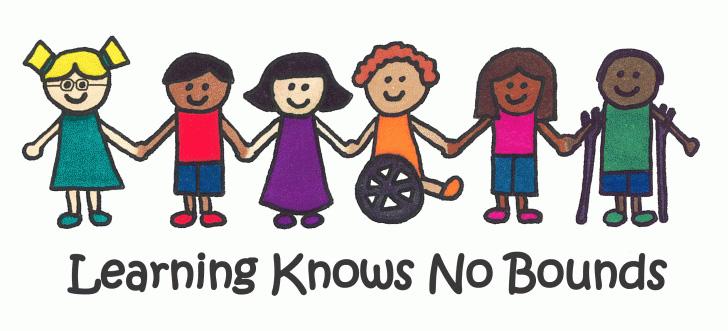
Parental Perspectives on Inclusive Education: Insights, Experiences, and Key Concerns
Inclusive education, which welcomes students of all abilities and backgrounds into mainstream classrooms, has gained notable traction in recent years. While educators and policymakers frequently enough lead the conversation, parental perspectives are equally critical—offering unique insights into the advantages and challenges of inclusive schooling. This thorough article explores parental viewpoints, practical experiences, key concerns, and actionable tips for navigating inclusive education environments. Whether your a parent, educator, or advocate, you’ll find valuable facts to support the journey toward truly inclusive learning.
What Is Inclusive Education?
Inclusive education is a system where students with diverse learning needs, including those with disabilities, learn together in the same surroundings.This approach promotes equity, respect, and acceptance, fostering a climate where every child can participate and reach thier full potential. Parental perspectives on inclusive education provide critical context for implementing and refining such inclusive practices, making their voices instrumental in shaping inclusive schools.
Benefits of Inclusive Education: A Parent’s Viewpoint
Many parents advocate for inclusive education due to its wide-ranging benefits—both for their own children and the broader classroom community. Through their real-world experiences, they recognize several key advantages:
- Social Growth: Inclusive classrooms promote friendship, empathy, and social skills. children learn to appreciate diversity and develop stronger interpersonal relationships.
- Academic Progress: Exposure to varied teaching strategies often benefits all students. Parents note that differentiated instruction can lead to better academic outcomes, especially for children with unique learning needs.
- Sense of Belonging: inclusive education fosters a sense of community. Parents often share how their children feel more accepted and valued, which boosts self-esteem and motivation.
- Preparation for Real Life: Inclusive settings mirror societal diversity, preparing children for life beyond school by removing barriers and encouraging collaboration.
Parental Testimonial
“Seeing my son make friends of all abilities and backgrounds has been one of the most heartwarming parts of our inclusive education journey.” – Sandra D., Parent from New York city
Key Concerns Parents Raise About Inclusive Education
While the benefits are clear, parents often express valid concerns regarding the implementation and effectiveness of inclusive education. Addressing these concerns is essential to create a supportive and prosperous educational environment.
- Teacher Training and Support: Parents worry about whether educators have enough specialized training and resources to accommodate diverse learners effectively.
- Individual Attention: Some fear that children with specific learning needs may not receive adequate one-on-one support in the mainstream classroom.
- Peer Acceptance: Parents note challenges surrounding bullying or social exclusion, which can undermine the goals of inclusive education.
- Curriculum Flexibility: Ensuring that learning materials are adaptable for various learning levels and styles remains a top concern among parents.
- Involvement in Decision-Making: Many parents desire more active participation when decisions about their child’s education are made.
Insights from Parental Experiences: Case Studies
Case Study 1: Navigating Inclusion Success
Maria’s Story:
Maria is the mother of a child with Down syndrome who attended a mainstream elementary school. Initially, Maria was concerned about how teachers and peers woudl respond. Though, with open dialog and a dedicated support team, her daughter flourished both academically and socially. The school’s willingness to adapt lessons and involve Maria in planning meetings made all the difference.
Case Study 2: Overcoming Barriers
John’s Experience:
John’s son, diagnosed with autism, struggled in a classroom lacking adequate support. As a result, John advocated for professional development for teachers and the introduction of a classroom aide. his persistence led to noticeable improvements in his son’s engagement and happiness. John’s experience highlights the importance of parental advocacy in driving change within inclusive education settings.
First-Hand Insight: The Importance of Teamwork
parental perspectives frequently enough emphasize the significance of collaboration among families,educators,and specialists. Regular meetings, clear communication, and shared goals lead to better outcomes for children.Parents who felt included in the planning process were more satisfied and confident in their child’s educational journey.
Practical Tips for Parents navigating Inclusive Education
Based on the collective wisdom of parents who have experienced inclusive education firsthand, here are actionable tips to help others thrive within this system:
- Establish Open Communication: Regularly engage with teachers, therapists, and school administrators to remain informed and involved.
- Document Observations: Keep track of your child’s academic progress and social development to identify successes or areas for improvement.
- Advocate for resources: Don’t hesitate to request additional support, such as classroom aides, specialized materials, or professional development for staff.
- Connect with the Community: Join parent groups, forums, or local organizations to share experiences, tips, and resources.
- Participate in School Meetings: Attend IEP (Individualized Education Programme) sessions and other planning meetings to ensure your child’s unique needs are addressed.
how Schools and educators Can Support Parents
For inclusive education to succeed, schools must actively support parents throughout their journey. Here are strategies for fostering positive parental engagement:
- Transparent Communication: Keep parents informed about changes, events, and student progress.
- Accessible Resources: Provide handbooks, resource lists, and guides tailored to inclusive practices.
- Continuous Feedback Loops: Encourage regular meetings and feedback from parents to improve classroom strategies and policies.
- Professional Development: Invest in teacher training focused on inclusive education and cultural competence.
- Celebrating Diversity: Host events or activities that highlight and celebrate differences among students and families.
The Future of Inclusive Education: Parental Hopes and Expectations
Looking ahead, parental perspectives reveal strong hopes for advancing inclusive education further:
- Adequate funding for specialized programs and support staff
- Expanding teacher training in inclusive practices
- Including families in policy development and classroom innovation
- Removing physical and social barriers to access for all students
Parents anticipate a future where inclusive education is the norm, not the exception, and where every child’s needs—and potential—are recognized and nurtured.
Conclusion: Harnessing Parental insights to Drive Inclusive Education Forward
Parental perspectives on inclusive education are vital to its successful implementation and development. While parents celebrate its progress, they also highlight challenges that require action and empathy from educators and policymakers. By harnessing parental insights, fostering robust collaboration, and continuing to evolve support structures, the educational community can create truly inclusive environments where every child thrives. Inclusive education isn’t just a policy—it’s a partnership, and parents are at its heart.
Are you a parent with experiences or opinions about inclusive education? Share your stories and insights in the comments below to help build a more inclusive learning community!