
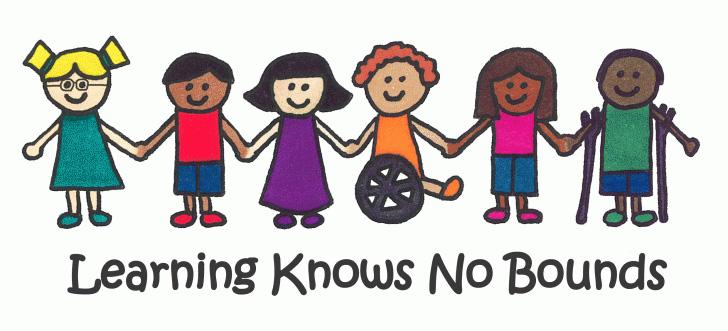
Parental Perspectives on Inclusive Education: Key Insights and Experiences Explained
Inclusive education has increasingly become a cornerstone of modern schooling, embracing diversity and supporting all learners, nonetheless of their abilities or backgrounds. While teachers and administrators play a crucial role in it’s implementation,parental perspectives on inclusive education provide valuable insights that help shape its success. In this article, we dive into what parents think and feel about inclusive education, the benefits it offers, the challenges faced, and practical tips for creating a supportive learning environment for every child.
What is inclusive Education?
Inclusive education refers to the practice of educating all students—those with and without disabilities—together in mainstream classrooms. Instead of separating children based on their abilities,inclusive schools strive to accommodate varying learning needs,promoting equal participation and valuing diversity.
- Accessibility: Curriculum and activities are adapted to ensure everyone can participate.
- Collaboration: Teachers, parents, therapists, and support staff work together to help each child succeed.
- Positive attitudes: Schools foster acceptance and understanding, celebrating differences.
Why Parental Perspectives on Inclusive Education Matter
- Parents are children’s first advocates and most consistent support system.
- Their feedback identifies strengths and areas for improvement in inclusive practices.
- Understanding parental experiences helps schools cultivate effective home-school partnerships.
- Parental engagement boosts academic outcomes for all students, including those with special educational needs.
When schools listen to parents’ concerns and celebrate their positive experiences,they foster stronger communities and more effective inclusive programs.
Key Insights from Parental Perspectives on Inclusive Education
1. Value of Belonging and Social Inclusion
Many parents highlight the importance of their child feeling accepted and valued as a full member of the school community. Social interaction with peers, collaborative activities, and participation in school life are seen as essential benefits of inclusive education.
2. Concerns about Adequate Support and Resources
Despite strong support for inclusive education, some parents express concerns over:
- limited access to specialized learning and classroom support
- insufficient teacher training in inclusive strategies
- Large class sizes making individualized attention tough
3.Communication is Key
A recurring theme among parents is the necessity for open, regular communication with educators. Constructive dialog helps address challenges promptly and collaboratively, fostering an atmosphere of trust.
4. Progress and Holistic Progress
Parents report that inclusive classrooms not only support their child’s academic progress but also boost self-esteem, independence, and peer relationships. Thes holistic benefits often translate into improved well-being and family satisfaction.
Real-Life Experiences: A Case Study
Parental testimonials like Anna’s echo research findings: inclusive education, when properly supported, creates thriving, respectful learning communities.
Benefits of Inclusive Education: Parent insights
- Enhanced Empathy and Social Skills: Parents observe their children developing kindness and understanding towards others.
- Greater Academic Achievement: Inclusive classrooms can boost academic motivation for both students with and without disabilities.
- Sense of Belonging: When children feel included,their confidence and willingness to participate improve noticeably.
- Better Preparation for Real-World Diversity: Parents believe inclusive schooling prepares children for diverse workplaces and communities.
Challenges Faced by Parents in Inclusive Education
- Navigating Complex Systems: Understanding educational law, Individualized Education Programs (IEPs), or support plans can be overwhelming.
- Advocating for Needs: Some parents feel uncertain about how to effectively advocate for their child’s unique requirements.
- Managing Expectations: Parents sometimes struggle with balancing optimism and realistic goals for inclusion and academic progress.
- Addressing Social Stigma: Concern that misunderstanding or stigma may affect their child’s self-esteem or peer relationships.
Practical Tips: How Parents Can Support Inclusive Education
- Foster Open Communication: Build positive relationships with teachers and school staff.Don’t hesitate to share insights or ask questions about your child’s progress.
- Stay Informed: Learn about inclusive education policies, best practices, and local resources to advocate effectively.
- Participate in School Life: join parent associations, attend meetings or workshops, and volunteer in classroom or extracurricular activities if possible.
- encourage your Child: Reinforce the value of diversity, kindness, and respect at home to reinforce inclusive culture at school.
- Connect with Other Parents: Building a support network helps share experiences, strategies, and emotional encouragement.
- Collaborate on Individualized Plans: Work closely with educators to develop meaningful goals and accommodations.
Conclusion: Embracing inclusive Education Together
Parental perspectives on inclusive education reveal both the profound benefits and real challenges of creating welcoming, equitable classrooms for every learner. By listening to parents’ insights, schools can better respond to family needs, improve learning outcomes, and foster environments where every child can thrive. Whether you’re a parent, educator, or community member, your voice and actions shape the success of inclusive education. Let’s continue working together to build learning spaces that celebrate difference and empower all students to succeed.