
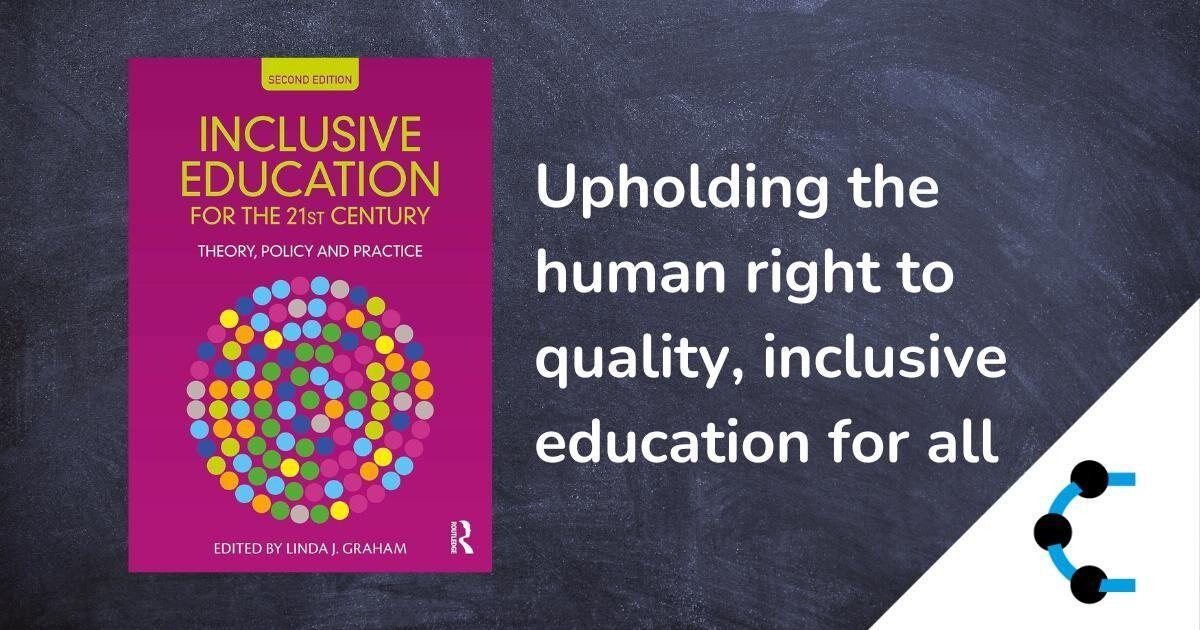
Parental Perspectives on Inclusive Education: Key Insights and Experiences for 2024
The landscape of education is evolving rapidly, and inclusive education has become a cornerstone of this transformation. In 2024, parental perspectives on inclusive education are more vital than ever, shaping policies, school practices, and classroom experiences. But what does inclusive education mean to parents, and how are their insights influencing the way schools support every child? In this in-depth article, we’ll explore key parental perspectives on inclusive education, examine firsthand experiences, discuss benefits, and provide practical tips to help families navigate this inspiring but sometimes challenging path.
What is Inclusive Education?
Inclusive education refers to an educational approach that ensures all children—irrespective of their physical, intellectual, social, emotional, linguistic, or other conditions—learn together in the same age-appropriate classroom. Rather of separating students with disabilities or special needs, inclusive education aims to adapt and modify teaching methods, curricula, and facilities to meet every student’s unique needs.
- Promotes equity and equal opportunities for all students
- Focuses on removing barriers to learning and participation
- Encourages diversity, empathy, and respect among students
Why Parental Perspectives on Inclusive Education Matter
Parents play a pivotal role in championing inclusive education. Their perspectives provide real-life insight into what works,what needs betterment,and how inclusive education impacts family life. in 2024, schools and policymakers are increasingly listening to parents’ voices to enhance inclusivity.
Key Reasons Parental Perspectives are Essential:
- Firsthand Observations: Parents witness the day-to-day learning experiences of their children and can identify successes and challenges unique to inclusive settings.
- Advocacy: Their experiences empower them to advocate for better resources, teacher training, and policies that foster inclusion.
- Collaboration: Open dialog between parents and schools leads to stronger partnerships and better outcomes for students.
Key Insights from Parents on Inclusive Education in 2024
Based on surveys,interviews,and recent research,here are some prevailing themes and insights from parents about inclusive education:
-
Personal Growth and Social Skills
Parents observe that inclusive classrooms significantly boost children’s empathy,patience,and collaboration skills.Interacting with peers of diverse backgrounds prepares students for real-world environments.
-
Access to Individualized Support
Many parents appreciate the increased use of Individualized Education Programs (IEPs) and differentiated instruction, but also note the need for more consistent implementation.
-
Teacher Preparedness
Parents highlight both positive experiences with highly trained teachers and concerns about inconsistent training across districts.
-
Challenges with Resources
Funding and access to specialized services remain ongoing concerns. Parents advocate for more teaching aides, counselors, and assistive technology.
-
Mixed Feelings on Peer Interactions
While many students thrive, parents also report cases of social isolation or bullying, underscoring the continued need for school-wide anti-bullying programs and community-building initiatives.
Benefits of Inclusive Education: Parental Viewpoints
Parental perspectives on inclusive education frequently highlight numerous benefits—not just for children with special needs, but for all students and the broader school community.
- Improved Academic Outcomes: Parents report that inclusive classrooms encourage differentiated instruction, benefiting varied learning styles and boosting performance overall.
- Holistic Development: Exposure to different abilities,languages,and cultures fosters well-rounded,compassionate citizens.
- Positive Peer Role Models: Children learn valuable interpersonal skills by supporting and learning alongside peers of different abilities.
- Stronger School Community: Inclusive education necessitates partnership between families, educators, and school leaders, creating a supportive environment for everyone.
Challenges Highlighted by Parents in 2024
While there are many benefits, inclusive education also brings challenges.In 2024, these are the most cited by parents:
- Inadequate Funding: Insufficient budgets limit the availability of specialized staff and resources.
- Teacher Training Gaps: Not all educators receive ongoing, specialized training in inclusive practices.
- Communication Barriers: Sometimes families feel excluded from Individualized Education Program (IEP) meetings or major decision-making processes.
- Stigma and Social Exclusion: Despite efforts,some students and families still report feeling isolated or misunderstood.
Firsthand Parent Experiences: Stories from the Community
Maria, a parent of a child with autism, describes how her son’s school developed an inclusive program where he thrived alongside his neurotypical peers. Regular communication between teachers and parents, and tailored support strategies, allowed him to participate in school plays, sports, and group projects.
Priya,whose daughter has a physical disability,initially faced obstacles due to inaccessible facilities and a lack of understanding from other parents. However, after she shared her experiences at a PTA meeting, the school organized awareness workshops and invested in adaptive technology, resulting in improved inclusion and a more welcoming environment.
Practical Tips for Parents Supporting Inclusive Education
Families play a critical role in making inclusive education successful. Here are some practical tips for parents to enhance inclusion in 2024:
- Communicate Regularly: Build strong partnerships with teachers, therapists, and administrators.
- Learn About rights and Resources: Understand national and local policies on inclusive education, IEP processes, and available support services.
- Promote Awareness in the Community: Share stories, raise awareness, and encourage other parents to embrace inclusion as a shared goal.
- Advocate as Needed: don’t be afraid to voice concerns and push for necessary changes to support your child’s needs.
- Encourage peer Support: Foster friendships and peer mentoring outside the classroom to strengthen social inclusion.
- Participate Actively: Join parent associations, volunteer at school events, and contribute to policy reviews whenever possible.
Looking Ahead: The Future of Inclusive Education
The journey toward truly inclusive education is ongoing. Parental feedback continues to shape school culture, teacher training, and educational policies in 2024. As technology, social awareness, and policy frameworks evolve, parents’ partnership with educators will be crucial for designing learning environments where every child feels welcome, valued, and supported.
As schools around the world strive to implement comprehensive inclusion strategies, collaborative decision-making and consistent parental involvement will remain the bedrock for success.
Conclusion
Parental perspectives on inclusive education in 2024 offer unique insights and invaluable guidance for educators, policy-makers, and schools. Embracing these perspectives—and the diverse experiences they represent—will help communities build more inclusive, supportive, and effective educational environments for all students. By working together, we can ensure that inclusive education isn’t just a policy or a buzzword, but a living, evolving practice that benefits every learner and enriches the whole school community.
Interested in learning more? Share your own parental perspective on inclusive education in the comments below, and join the conversation to help shape the future of education!