
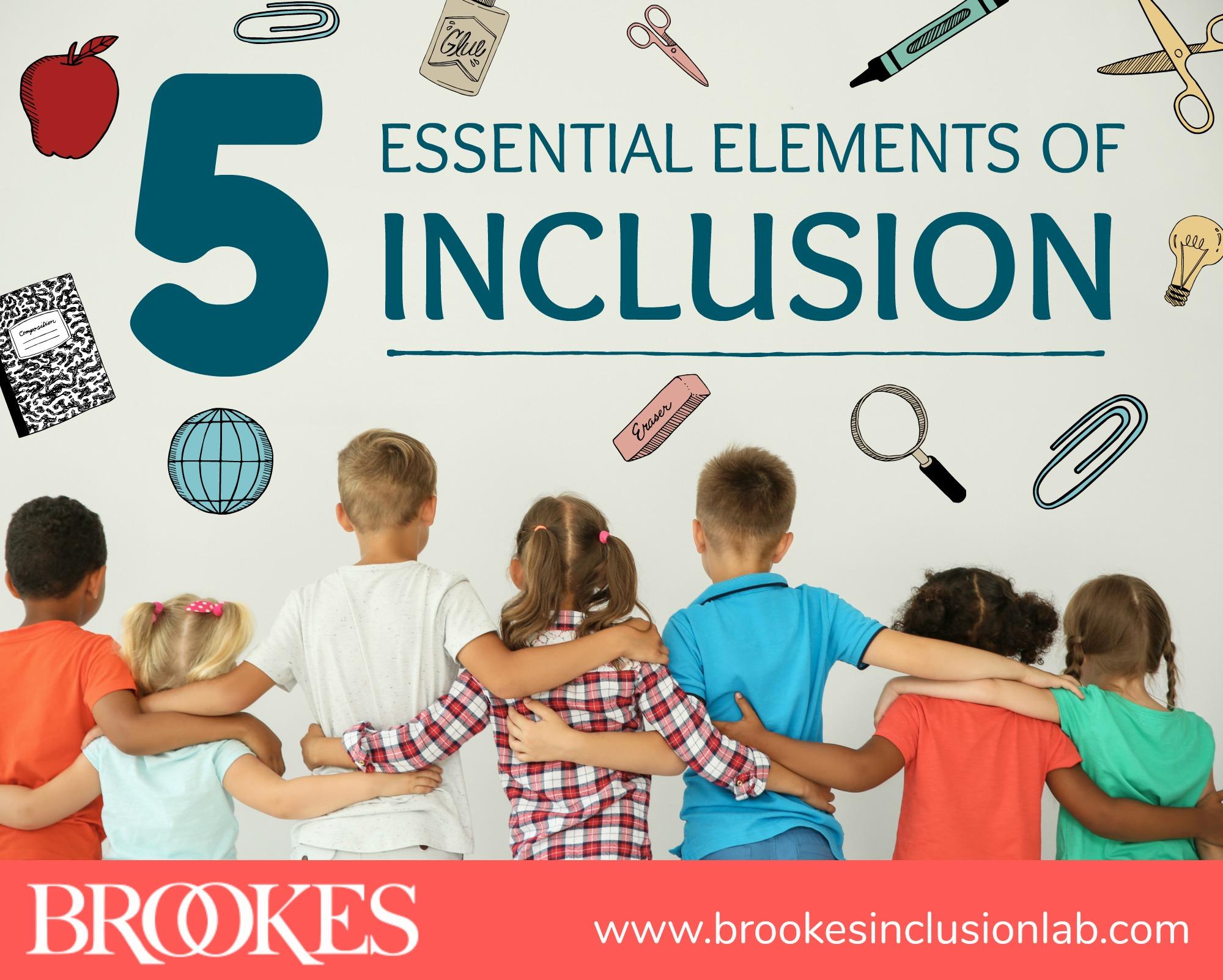
Parental Perspectives on Inclusive Education: Key Insights and Experiences from Families
Inclusive education is more than just a concept—it’s a movement towards ensuring every child, regardless of ability, learns and thrives in a welcoming and nurturing surroundings. at the heart of this transformation are families whose voices and experiences shed light on what truly makes inclusive education work. In this thorough article, we dive deep into parental perspectives on inclusive education, sharing invaluable insights, real-life stories, and practical advice that can shape more equitable classrooms for all.
What is Inclusive Education?
Inclusive education is an approach where students with diverse learning needs, including those with disabilities, learn side-by-side with their peers in mainstream classrooms. This philosophy rests on the belief that all children have the right to participate fully in all aspects of school life.For families, inclusive education means their children are valued members of the school community, receiving the support thay need to succeed alongside their classmates.
- Equity-focused: Prioritizes fair access to learning opportunities
- Diverse classrooms: Fosters empathy, respect, and understanding among all students
- Supportive environment: Utilizes differentiated instruction, assistive technologies, and resource staff
Why Are Parental Perspectives Important in Inclusive Education?
Families are the backbone of a child’s growth and learning. Their viewpoints provide a unique lens on the successes and challenges of implementing inclusive education. Involving parents and caregivers ensures:
- Holistic support: Collaboration between home and school supports student well-being.
- Better policy progress: Feedback from families aids in shaping effective inclusion policies.
- Increased engagement: Parents who feel heard are more likely to be actively involved in their child’s education.
Key Insights from Families on Inclusive Education
Through interviews, surveys, and anecdotal accounts, families consistently highlight crucial themes:
1. The Importance of Open Communication
Parents value clear and regular communication with teachers and administrators. This includes:
- Updates on academic and social progress
- Clear individualized education plans (IEPs)
- Opportunities for parental input during school meetings
2. Need for Adequate Resources
Many families express concern about the availability of resources, such as:
- Special education staff and teaching assistants
- Adaptive learning materials and assistive technologies
- Teacher training in inclusive practices
Without adequate resources, parents fear that children’s needs may not be fully met, impacting both academic progress and classroom dynamics.
3. Positive Social Integration
Families frequently enough notice that inclusive education nurtures acceptance, empathy, and friendship among students. Typical benefits observed include:
- Enhanced social skills and peer relationships
- Reduction in bullying and social isolation
- Stronger sense of belonging for children with disabilities
4. challenges with Stigma and Misconceptions
despite its many advantages, inclusive education can sometimes lead to concerns about:
- Negative attitudes from some staff or students
- Lack of understanding about certain disabilities
- Worry over students being “left behind” or not challenged enough
Family voices highlight the ongoing need for awareness campaigns and sensitivity training in schools.
Benefits of Inclusive Education: Family Observations
When inclusive education is well-implemented, families report a range of positive outcomes. Here are some of the most commonly mentioned benefits:
- Personal Growth for All Students: Both children with and without disabilities learn resilience, empathy, and collaboration.
- Academic Improvement: Individualized teaching strategies can benefit every learner in the classroom.
- Preparation for Real Life: Exposure to diversity better prepares students for varied workplaces and communities.
- Stronger Family-School Partnerships: Parents who participate in inclusive education often build closer, trust-based relationships with teachers and administrators.
Real-life Case Studies: Parental experiences with Inclusive Education
case Study 1: Anna’s Journey to Belonging
Anna, an 8-year-old girl with Down Syndrome, joined a mainstream classroom with the support of a dedicated teaching assistant. Her mother, Maria, describes the initial challenges of peer acceptance and curriculum adaptation. However, with collaborative planning meetings and regular teacher communication, anna’s confidence grew. Today,Maria proudly shares stories of Anna’s friendships and her blossoming reading skills.
case Study 2: Navigating the System Together
For Liam, a student with a learning disability, early inclusive experiences were marred by insufficient support.His parents, Michael and Sara, became active participants in IEP meetings and advocated for additional resources. Their persistence led to the introduction of a resource teacher and speech therapy, significantly improving Liam’s engagement and academic achievement.
case Study 3: A Community of Support
The Hernandez family’s son, Rafael, is on the autism spectrum. When their local school adopted inclusive education practices, the family found immense value in peer mentoring programs and specialized sensory spaces. Rafael’s mother notes, “When the school invited us to workshops and respected our insights, we felt like valued partners.”
Practical Tips for Families Navigating Inclusive Education
If you’re a parent or caregiver exploring or experiencing inclusive education, consider these tips to foster a successful and positive journey:
- Engage Early and Often: Regular communication with teachers and school leaders supports alignment on goals and progress.
- Participate in School Decisions: Attend IEP meetings and advocate for your child’s needs and strengths.
- Foster Peer Relationships: Encourage playdates, after-school clubs, or inclusive extracurricular activities.
- Leverage Community Resources: Seek out support groups or workshops for families of children with disabilities.
- Celebrate Milestones: Recognise and celebrate every achievement, big or small, to build self-esteem.
How Schools Can support Families for Inclusive Education Success
For inclusive education to thrive,schools must work hand-in-hand with parents.Here’s what effective schools do:
- Respect Parental Voice: Value family input in all decision-making processes.
- Provide Accessible Facts: Share resources and updates in clear, jargon-free language.
- Invest in Training: equip staff with ongoing professional development in inclusive education strategies.
- Create welcoming Environments: Encourage a school culture that celebrates diversity and inclusion.
- Offer Flexible Supports: Tailor assistance to each family and student’s unique needs.
Conclusion: The Power of Family Voices in Inclusive Education
Parental perspectives on inclusive education play a pivotal role in creating welcoming, supportive, and effective learning environments. By listening to family experiences, schools and policymakers can identify what works, address challenges, and celebrate successes. Ultimately, inclusive education is a shared journey—one that flourishes when schools and families walk side by side, advocating for every child’s right to belong and succeed. Through open communication,robust support,and genuine partnership,we can build more inclusive classrooms where all students truly thrive.
Interested in learning more? Explore additional articles on our site about fostering inclusive school communities, practical classroom strategies, and real-world tips from parents and teachers making a difference every day.