
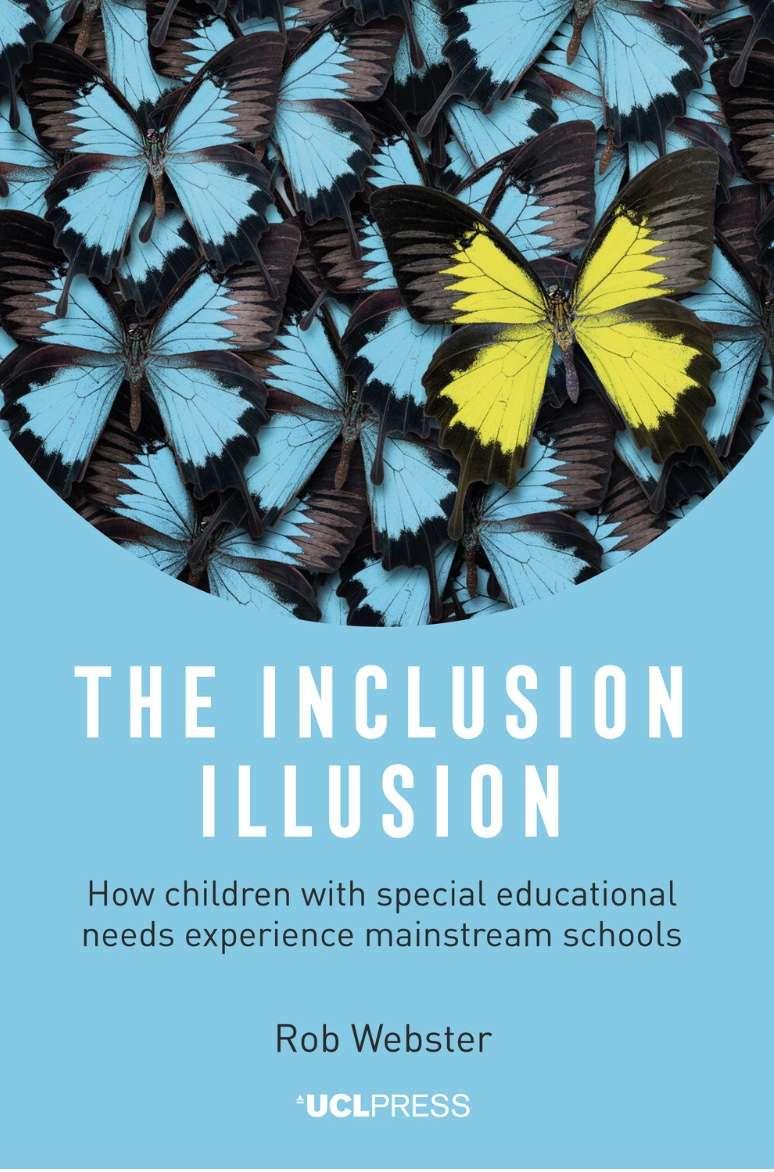
Parental perspectives on Inclusive Education: Key Insights and Experiences
As inclusive education becomes a central approach in schools around the globe, understanding parental perspectives on inclusive education is vital to creating welcoming, supportive, and effective learning environments for every child. In this article, we delve into parents’ unique insights, experiences, and expectations. We also highlight real-life stories and offer practical tips to strengthen the collaborative efforts between families, educators, and schools.
What Is Inclusive Education?
Inclusive education refers to an educational system where students with and without disabilities learn together in the same age-appropriate classrooms. The goal is to provide equitable learning opportunities by accommodating each child’s unique needs and fostering a sense of belonging. Parents play a critical role in the success of inclusive education by advocating for their children, supporting teachers, and participating in collaborative decision-making.
Why Parental Perspectives on Inclusive education matter
Parents are their children’s first and most passionate advocates. Their experiences, challenges, and triumphs provide valuable feedback for schools and educators aiming to implement effective inclusive education strategies. By understanding parental perspectives, stakeholders can:
- Identify and address barriers to inclusion
- Improve communication between families and schools
- Tailor support services to meet learners’ needs
- Strengthen community trust and involvement
Key Insights from Parents: Common Themes and Concerns
Every family’s journey with inclusive education is unique, yet many parents share common hopes and concerns for their children in inclusive settings. Here are some of the frequently reported themes:
- Desire for Belonging: Parents want their children to feel included, valued, and accepted by peers and teachers.
- Access to Individualized Support: Parents often stress the importance of adapted teaching strategies and resources that meet their child’s specific needs, such as Individualized Education Plans (IEPs).
- Quality of Teacher Training: Triumphant inclusion relies heavily on well-prepared educators who can manage diverse classrooms effectively.
- Peer Interactions: Positive social experiences with classmates are a top priority, as they help build confidence and friendships.
- Open Communication: Effective collaboration between parents and schools is vital for setting realistic expectations and monitoring progress.
Benefits of Inclusive Education: A Parental Viewpoint
While challenges exist, many parents recognize the profound benefits that inclusive education offers both to children with disabilities and their typically developing peers. Let’s explore some of the top advantages reported by families:
- Diverse Friendships: Children learn empathy, respect, and understanding through meaningful interactions with classmates from all backgrounds.
- Higher Academic Engagement: Inclusive settings often spark greater motivation, participation, and academic growth by promoting a supportive atmosphere for all students.
- Preparation for Real Life: Inclusive education mirrors the diversity seen in society, equipping students to navigate the world beyond school.
- Stronger Family Involvement: Schools that embrace inclusion frequently invite more family participation, opening doors for ongoing advocacy and partnership.
First-Hand Parental Experiences: Stories from the Field
Emily’s Journey: Navigating School Transitions
“When my son with autism transitioned to an inclusive classroom, we were nervous. But the school’s open-door policy and regular team meetings helped us feel heard. With an individualized learning plan and frequent updates from his teacher, he blossomed both academically and socially. My advice to other parents? Never hesitate to advocate for your child—and be patient, as progress can be gradual but rewarding.” — Emily, parent of a 7-year-old.
Mark’s Perspective: The Power of Communication
“Consistent communication made all the difference. When I voiced my concerns about classroom modifications for my daughter, the school took action right away. They shared resources, invited me to planning sessions, and made sure my child’s opinions were valued. In inclusive education, everyone’s voice matters.” — Mark, father of a 10-year-old.
Challenges Parents Face in Inclusive Education
Despite the many positives, parents sometimes encounter hurdles when supporting their children in inclusive environments. Some common challenges include:
- Lack of Adequate Resources: Not all schools have specialized staff, assistive technologies, or funding to fully meet individual needs.
- Limited Teacher Training: Some educators may feel unprepared to address diverse needs in their classrooms.
- Stigma or Bullying: Children with disabilities may still face social exclusion or negative attitudes from peers.
- Inconsistent Policy Implementation: Differences in policies across schools and districts can create confusion and frustration for families.
Open dialog, ongoing professional growth, and strong partnerships between families and schools are necessary to overcome these obstacles.
Practical Tips for Parents Supporting Inclusive Education
Parents who are actively engaged in the inclusive education process frequently enough report better outcomes for their children. Here are some proven strategies to strengthen your involvement:
- Build Relationships: Get to know your child’s teachers, support staff, and classmates’ families.
- Participate in Meetings: Attend IEP or planning meetings, and don’t hesitate to ask questions or share insights.
- celebrate Strengths: Recognize and highlight your child’s achievements, no matter how small.
- stay Informed: Learn about inclusive education laws, best practices, and local resources.
- Encourage Self-Advocacy: Support your child in expressing their needs and preferences as appropriate.
- Communicate Regularly: Keep lines open with educators; share updates, concerns, and feedback.
Inclusive Education case Study: A Community Approach
In a suburban school district, parents, teachers, and administrators co-developed a parent-educator partnership program.Monthly workshops,individualized support teams,and ongoing feedback sessions created a climate of trust. Over two years, 95% of parents felt more involved, and students with disabilities reported fewer feelings of isolation. The program’s success highlights the value of shared leadership in achieving inclusive education for all.
Conclusion: Moving Forward Together
Parental perspectives on inclusive education provide a roadmap for designing better schools and nurturing every child’s full potential.Parents’ insights, unwavering advocacy, and collaborative spirit are crucial for the ongoing success of inclusive education initiatives. By listening to families, valuing diverse voices, and fostering strong partnerships, educators and communities can create welcoming and effective spaces where all children thrive.
Inclusive education is a journey best traveled together—with families, schools, and communities united in their commitment to every learner’s success.