
Predicting the Next Big Thing in EdTech: Future Trends and Innovations Shaping Education
The education landscape is undergoing a digital renaissance. As technology evolves, the world of educational technology (EdTech) is bursting wiht innovation—reshaping how students learn, teachers instruct, and institutions operate. But what exactly is the next big thing in EdTech? Which future trends and innovations will most profoundly impact education in the years ahead?
Understanding EdTech: Recent Progress
Educational technology (EdTech) refers to the application of digital tools and innovative solutions to enhance teaching, learning, and administrative processes. In the past decade, EdTech has expanded rapidly—from digital textbooks and Learning Management Systems (LMS) to gamified learning apps and virtual classrooms.
The COVID-19 pandemic catalyzed widespread adoption of online learning and hybrid teaching models, proving that technology can overcome barriers of distance and time. With this momentum, the stage is set for transformative breakthroughs. Below,we explore the future EdTech trends poised to revolutionize education worldwide.
Key EdTech Trends and Innovations
Let’s dive into the emerging EdTech innovations and trends shaping the educational landscape:
1.Artificial Intelligence (AI) and Machine Learning
- Personalized Learning: AI-driven platforms analyze learners’ performance and tailor content for individual strengths and needs. Tools like adaptive learning platforms adjust lesson difficulty in real-time, improving engagement and outcomes.
- Clever tutoring Systems: Virtual tutors powered by AI can provide instant feedback and explanations, augmenting teachers’ capacity to support every student.
- AI in Assessment: Automating grading, identifying knowledge gaps, and predicting student success are now possible with AI-powered analytics.
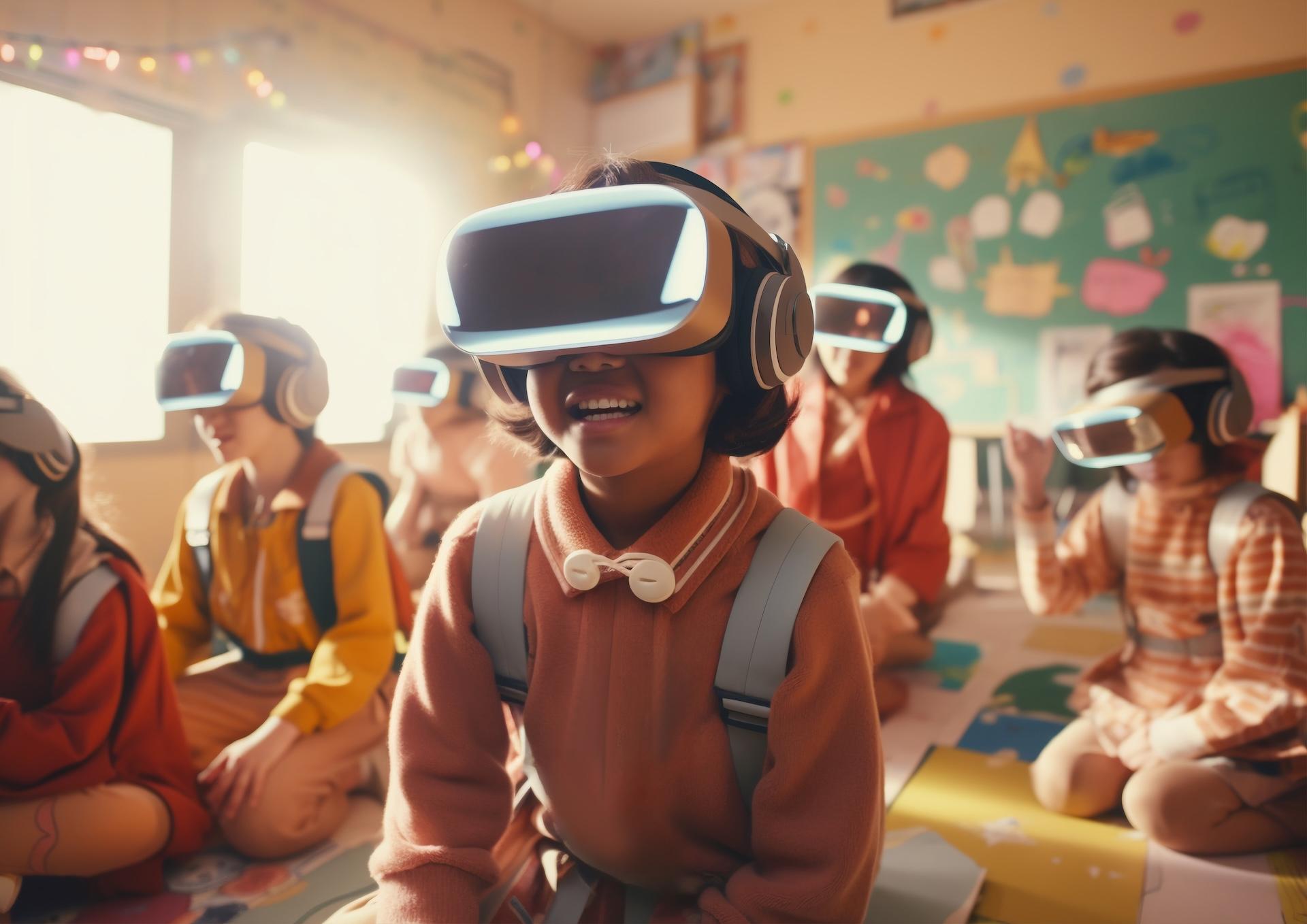
2. Immersive Learning with Augmented Reality (AR) and Virtual Reality (VR)
- Virtual Labs: Students conduct science experiments in safe virtual environments.
- Interactive History Lessons: AR brings ancient civilizations to life, making abstract concepts tangible and memorable.
- VR Field Trips: Learners travel to landmarks—without leaving the classroom—cultivating curiosity and global awareness.
3.Gamification and Game-Based Learning
- Point systems, badges, and leaderboards motivate learners and make lessons competitive, fun, and memorable.
- Game-based learning platforms (like Kahoot! and Classcraft) foster collaboration, problem-solving, and critical thinking.
4. microlearning and Bite-Sized Content
- Short, modular lessons cater to digital natives and accommodate busy schedules.
- Mobile-first EdTech platforms allow on-the-go learning and just-in-time skill acquisition.
5. Blockchain in Education
- Credential Verification: Digital diplomas stored on blockchain are tamper-proof and easily shareable.
- Decentralized Learning Records: Empowering students to own and manage their own academic achievements.
6. Learning Analytics & Big Data
- Tracking engagement,attendance,and academic progress to drive data-informed decisions for curriculum improvement.
- Early identification of at-risk students for timely intervention and support.
7. Global and Inclusive Education
- Cloud-based EdTech tools make education accessible globally, breaking down geographical and socioeconomic barriers.
- Assistive technologies ensure all learners, including those with disabilities, can participate fully in modern classrooms.
Benefits of Adopting Emerging EdTech Solutions
- Enhanced Engagement: Interactive technologies transform passive learning into active exploration.
- Personalized Experiences: AI-powered customization meets learners at their unique skill levels and learning styles.
- Cost-Effective Scalability: Digital resources like e-books and online courses make education more affordable and scalable.
- Equity and Accessibility: Cloud platforms,adaptive tools,and assistive tech foster learning for all,regardless of ability or location.
- Real-Time Feedback: Instant grading,assessments,and insights help teachers swiftly adjust instruction to student needs.
Practical Tips: Preparing for the Next Generation of EdTech
- stay Informed: Subscribe to EdTech news sites, research journals, webinars, and conferences to keep pace with innovations.
- Pilot and Experiment: Start small by trialing new tools in select classes or modules before scaling up across your institution.
- Invest in Professional Advancement: Provide continuous training so teachers feel confident and empowered using the latest technologies.
- Engage Stakeholders: Involve students, parents, and educators in technology selection and implementation for buy-in and success.
- Data Privacy First: Prioritize secure platforms that comply with data protection standards to safeguard students’ personal details.
Case Studies: EdTech Innovators in action
Case Study 1: AI-Driven Literacy Improvement
In a pilot program, a public school district implemented an AI reading assistant that guided students through personalized storybooks and reading comprehension exercises. Within six months, average reading scores rose by 18%, and students reported increased confidence in their literacy skills.
Case Study 2: VR Science Classrooms
An international secondary school used virtual reality labs for chemistry and biology lessons. Students could safely conduct virtual experiments, leading to higher retention rates and more positive attitudes toward STEM subjects.
Case Study 3: Blockchain for Credential validation
A leading university adopted a blockchain platform for issuing digital diplomas and transcripts.Graduates easily shared verified credentials with employers worldwide,reducing fraud and streamlining the hiring process.
The Future of Education: What Lies Ahead?
The coming decade will likely see a powerful convergence of these EdTech trends. Expect smarter, more adaptive learning environments, continuous data-driven improvement, and even deeper integration of virtual and real worlds.
Furthermore, as AI in education matures, ethical considerations like bias mitigation and privacy will be at the forefront. educators and policymakers must balance innovation with equity, ensuring all learners benefit from the digital conversion of education.
Conclusion
The next big thing in edtech is already taking root, propelled by AI, immersive technologies, gamification, and data analytics. By embracing these future trends and innovations, educators and institutions can deliver richer, more effective, and equitable learning experiences for all.The future of education is not just digital—it’s adaptive, inclusive, and inspiring. Now is the time to prepare for, participate in, and help shape the education revolution.
Stay tuned to our blog for the latest updates on EdTech trends, innovations, and best practices shaping the future of learning!