
Predicting the Next Big Thing in edtech: Top Trends Set to Revolutionize Education
The world of education is evolving faster than ever, thanks to a surge in innovative educational technologies.from AI-powered tutoring to immersive virtual classrooms, EdTech (Educational Technology) is rapidly reshaping how we teach and learn. Staying updated with EdTech trends is crucial for educators, administrators, parents, and students alike. In this thorough article, we’ll explore the top EdTech trends set to revolutionize education, provide practical tips for implementation, share inspiring case studies, and offer insights into the benefits and challenges of adopting these transformative technologies.
Why EdTech Matters: The Drive Behind Innovation
the pandemic spotlighted the importance of flexible and resilient education systems. Modern challenges—like accessibility issues, personalized learning demands, and global connectivity—require fresh approaches. EdTech solutions address these needs by delivering engaging, efficient, and inclusive learning experiences both in and outside the classroom.
- closing the learning gap: Technology makes quality education accessible to diverse learners worldwide.
- Personalizing instruction: AI and analytics enable adaptive learning paths tailored to individual students.
- Boosting engagement: Gamification, AR, and VR bring lessons to life, increasing motivation and retention.
Top EdTech Trends Set to Transform Education
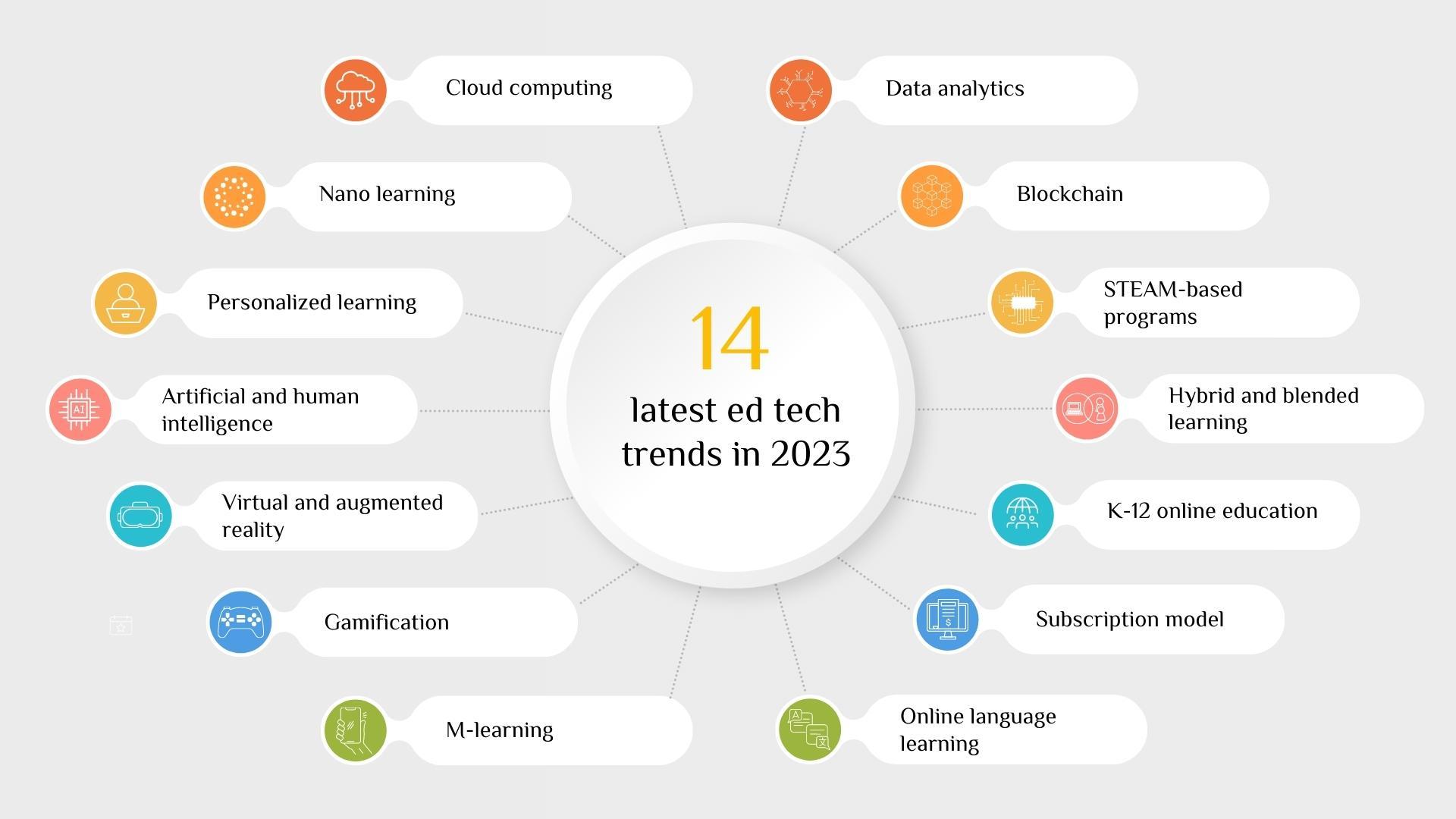
1. Artificial Intelligence (AI) and Machine learning
Among the moast influential EdTech innovations, AI-powered tutoring systems and machine learning algorithms are changing the way students learn. These systems analyse student data and deliver personalized feedback,identify learning gaps,and suggest resources tailored to individual needs.
- AI Tutors: Platforms like Squirrel AI, ChatGPT Edu, and Century Tech provide on-demand, 24/7 support to learners.
- Automated Grading & Assessment: Instantly assesses quizzes and essays, freeing up valuable teacher time.
- predictive Analytics: Early warnings for at-risk students, enabling timely interventions and support.
2. Immersive Technologies: Virtual Reality (VR), Augmented Reality (AR), & Extended Reality (XR)
Immersive EdTech experiences are building bridges between theoretical knowledge and real-world application. VR, AR, and XR are taking lessons out of textbooks and into interactive 3D environments.
- VR Field Trips: Explore the Great wall of China or the inside of a cell without leaving the classroom.
- AR Science Labs: Overlay digital simulations on real-world experiments for interactive STEM learning.
- XR collaboration: Global classrooms where students and teachers interact as if they were in the same space.
3. Adaptive Learning Platforms
Adaptive learning EdTech platforms, such as DreamBox, Knewton, and Smart Sparrow, dynamically adjust content and pacing based on student performance. Personalized learning pathways ensure every learner gets the right support at the right time.
- Real-time assessments for continuous betterment.
- Scaffolded content that responds to student strengths and weaknesses.
- Equitable education for students with diverse backgrounds and learning abilities.
4. Gamification & Game-based Learning
incorporating gamification in education increases motivation, engagement, and knowledge retention. Platforms like Kahoot! and Classcraft transform classrooms into exciting, achievement-driven experiences.
- Badges, leaderboards, and rewards for fostering healthy competition.
- Story-based quests that turn learning units into epic journeys.
- Instant feedback to help students learn from mistakes and celebrate progress.
5.Microlearning & Bite-Sized Content
Microlearning delivers education in short, focused bursts, perfect for today’s fast-paced and digitally distracted world. Using platforms like Duolingo or EdApp, learners can access lessons on-the-go, enhancing flexibility and retention.
6. Data Analytics and Learning Management Systems (LMS)
LMS platforms like Moodle, Canvas, and Google Classroom now feature robust analytics dashboards that empower educators to track progress, optimize instruction, and improve outcomes.
- Actionable insights for individualized support plans.
- Attendance and engagement tracking across hybrid and remote models.
- Integration of third-party EdTech tools for unified learning experiences.
7. Remote & Hybrid Learning Solutions
The rise of remote and hybrid learning has prompted an explosion of tools for live virtual classes, asynchronous content delivery, and digital collaboration.
- Virtual classrooms with break-out rooms and collaboration features.
- Accessible coursework for students nonetheless of location or circumstance.
- Global learning communities uniting students across borders.
Benefits of Embracing the Latest EdTech Trends
Integrating these EdTech trends doesn’t just prepare schools for the future—it actively enhances outcomes today. Here’s what education stakeholders can expect:
- Personalized learning journeys: Every student learns at their own pace, maximizing growth.
- Engaged classrooms: Interactive, hands-on experiences boost motivation.
- Teacher empowerment: Automation gives educators back time to focus on mentoring and creativity.
- Accessibility and equity: EdTech platforms reach learners of all backgrounds, including those with disabilities.
- Life-long learning: Microlearning and flexible digital resources support ongoing personal and professional progress.
Practical Tips: Getting Started with Cutting-Edge EdTech
- pilot programs: Start small by testing new EdTech tools with a single class or subject.
- Professional development: Invest in ongoing training for teachers to confidently use new platforms.
- Student feedback: Involve learners in evaluating what works and what could be improved.
- Accessibility checks: Ensure technology is inclusive and supports diverse learners.
- Data safety: Prioritize privacy and cybersecurity as EdTech use expands.
Case Studies: EdTech in Action
Case Study 1: AI-Powered Learning in Finland
A group of Finnish schools implemented an AI tutoring platform to support math instruction. Within a year, teachers saw a 25% improvement in struggling students’ test scores. The platform’s adaptive recommendations helped close learning gaps by providing personalized exercises and instant feedback.
Case Study 2: VR Biology Labs in the United States
High schools in California integrated VR science labs during pandemic-related closures. Students reported higher engagement and better comprehension of complex concepts like human anatomy. Teachers observed fewer absences and an increased interest in STEM fields.
Case Study 3: Global Collaboration Through Hybrid Learning
An international online school leveraged hybrid EdTech solutions to connect learners from over 30 countries. Classes featured breakout discussions, project-based teams, and peer tutoring—all made possible by robust LMS and video conferencing tools.
The Road Ahead: Challenges and Opportunities
While the benefits are significant,educational technology also brings challenges:
- Digital divide: Not all students or schools have equal access to devices and high-speed internet.
- teacher workload: New platforms can create steep learning curves and require time for adaptation.
- Data privacy: Protecting student data is more important than ever in the digital age.
Collaboration between policymakers, EdTech providers, and educators is essential to create sustainable, impactful learning ecosystems.
Conclusion: Embrace the EdTech Revolution
The future of education is bright—and digital. The EdTech trends discussed here are not just buzzwords; they’re paving the way for more inclusive,engaging,and effective learning worldwide. Whether you’re an educator, administrator, parent, or student, embracing upcoming EdTech innovations can set you ahead in today’s ever-changing educational landscape.
Stay updated,be adaptable,and remember: the next big thing in EdTech is only as powerful as how we use it to unlock every learner’s potential.