
Predicting the Next Big Thing in EdTech: Trends Shaping the future of Education
Introduction
The education technology (EdTech) landscape is evolving faster than ever, unlocking new frontiers in how we teach, learn, and prepare for the rapidly changing world. From AI-driven personalized learning to immersive technologies like virtual reality and blockchain for credentialing, the future of education holds exciting innovations that promise to make learning more efficient, equitable, and engaging. In this complete guide, we will explore the most impactful EdTech trends shaping the future, examine their benefits, and offer practical insights for educational institutions, teachers, students, and parents alike.
The Top EdTech Trends Defining the Future of Education
Staying ahead in the digital era requires understanding emerging EdTech trends. here we spotlight the next big things in educational technology, supported by research, real-world examples, and expert analysis.
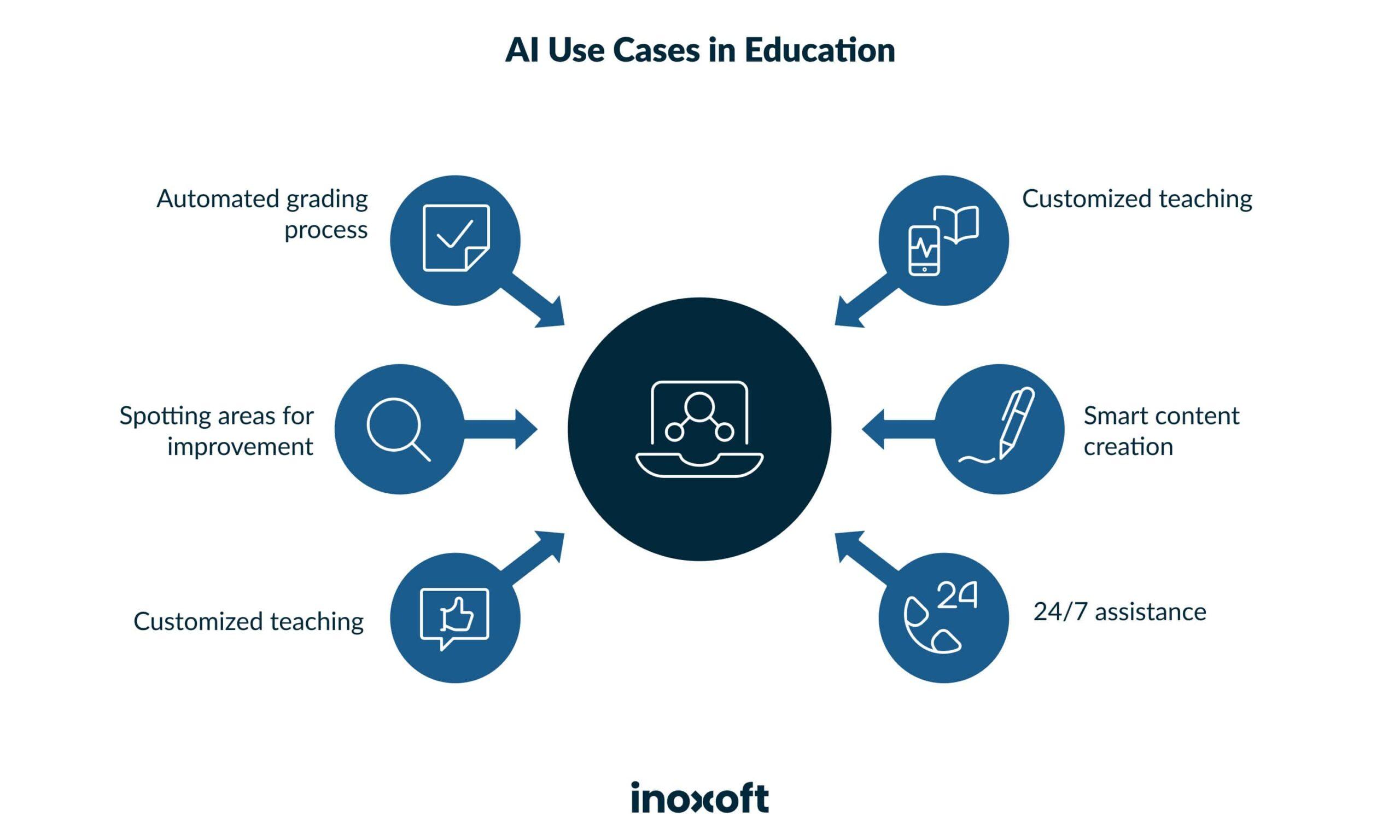
1.AI-Powered Personalized Learning
- Adaptive Learning Platforms: Artificial Intelligence (AI) platforms like DreamBox Learning and Smart Sparrow assess individual student abilities in real-time, delivering tailored content to maximize learning outcomes.
- Automated grading and Feedback: AI tools streamline administrative tasks for educators, allowing more time to focus on interactive teaching and personalized guidance.
- Real-World Example: A 2023 study by EdSurge found that 60% of schools adopting AI-driven EdTech reported significant improvements in student engagement and achievement.
2. Gamification and Game-Based learning
- Engagement through Play: Integrating game mechanics (points, badges, leaderboards) motivates students and encourages healthy competition.
- Learning Apps and Platforms: Resources like Kahoot!, Duolingo, and Classcraft transform tedious tasks into enjoyable, memorable activities.
3. Virtual Reality (VR) and Augmented Reality (AR)
- Immersive Experiences: VR and AR enable students to explore past sites,conduct lab experiments,or interact with complex 3D models from anywhere.
- Impactful EdTech Solutions: Solutions like Google Expeditions and Labster are already enhancing science, history, and geography curricula worldwide.
4. Microlearning and Bite-Sized Content
- Just-in-Time Learning: microlearning modules cater to short attention spans,delivering concise knowledge on demand via mobile,video,or interactive content.
- Corporate and K-12 Adoption: Both corporate training and K-12 educators find microlearning boosts retention and skills application.
5. Blockchain for Secure Credentials
- Authenticating Achievement: Blockchain technology is revolutionizing how academic records, certificates, and skills are stored, shared, and verified.
- Case In Point: MIT and several European universities are already issuing blockchain-based digital diplomas, reducing fraud and simplifying hiring processes.
6. Data Analytics and Learning Insights
- Student-Centric decisions: Deep learning analytics help educators pinpoint struggles, identify gifted learners, and modify instruction strategies in real time.
- Real-World Impact: Schools using comprehensive data dashboards report up to 40% greater identification of at-risk students, improving intervention success and overall achievement.
Benefits of Embracing the Latest EdTech Trends
- Improved Engagement: Interactive platforms and gamification foster higher levels of participation and knowledge retention.
- personalization: AI and data analytics tailor instruction to individual strengths, addressing learning gaps more effectively.
- Accessibility: Mobile-friendly tools and adaptive technology support learners of all backgrounds, including those with disabilities.
- Scalability: Cloud-powered systems can reach students globally, enabling scalable remote and hybrid learning models.
- Security and Transparency: Blockchain ensures that student records and achievements are tamper-proof and easily verified.
Practical Tips to Harness EdTech innovation
- Pilot New Tools: Start with small-scale implementation to measure impact before expanding.
- Invest in Teacher training: Continuous professional development ensures teachers can maximize EdTech’s potential.
- Collaborate with Stakeholders: Involve students,parents,and IT experts when adopting new technologies for smoother transitions.
- Prioritize Security: Choose platforms with robust data privacy and ethical AI features.
- Iterate and Improve: Collect feedback from users and be prepared to iterate digital strategies.
Case Studies: EdTech Success Stories
Case Study 1: Personalized Learning at Scale in the USA
In 2022, a major U.S. charter school network adopted AI-driven adaptive learning software for math and reading. Within a year,they report:
- 20% increase in math proficiency scores
- Reduction in achievement gaps among underrepresented students
- 80% teacher satisfaction with the platform
Case Study 2: Blockchain Credentials in Europe
European universities piloting blockchain diplomas have reduced credential fraud by 90%,with graduates reporting expedited job placements thanks to instantly verifiable degrees.
Looking Ahead: The Future of EdTech
The next few years will witness an exponential rise in clever learning ecosystems. Expect to see:
- Hyper-Personalization driven by real-time learning analytics and AI tutors
- Worldwide Access to Quality Education via open educational resources (OERs) and low-cost online platforms
- Seamless Integration of VR/AR and gamified environments for experiential learning
- Smarter Assessment Methods focusing on holistic skill development, creativity, and collaboration
For schools and educators, now is the time to embrace and lead in this digital revolution.
Conclusion
The future of education is not just digital—it is indeed intelligent, adaptive, and inclusive. By keeping pace with EdTech innovations like AI-powered personalization, immersive technologies, blockchain credentials, and advanced analytics, educational institutions can provide learners with unprecedented opportunities to thrive. As technology continues to shape the educational landscape, those who proactively adopt these trends will be best positioned to unlock the full potential of every learner and ensure they are prepared for the challenges of tomorrow.
Ready to future-proof your classroom or institution? Stay engaged with the latest EdTech news, pilot innovative tools, and invest in ongoing training. The next big thing in EdTech is here—don’t miss your chance to be part of the change!