
Preparing Students for Jobs of the Future: Essential Skills and Strategies for Tomorrow’s Workforce
The rapid evolution of technology and globalization is redefining the landscape of employment. as automation, artificial intelligence (AI), and remote work reshape industries, preparing students for jobs of the future is more crucial than ever. Educators, parents, and policymakers must work together to ensure that students not only thrive in an ever-changing job market but also lead with innovation, adaptability, and resilience. In this article,we’ll explore the essential skills and strategies needed to prepare students for future jobs,discuss the benefits of future-oriented education,and provide practical tips and real-world examples for tomorrow’s workforce.
Understanding the Future Workforce: Trends and Insights
The jobs of the future will be shaped by rapid technological advancements, such as AI, automation, data analytics, and green energy. According to the World Economic Forum’s Future of Jobs Report, by 2027, roughly 23% of jobs are expected to change, with some roles disappearing and new ones emerging. As a result, the most valuable assets for students will be the ability to learn new skills, adapt to change, and solve complex problems.
- Demand for tech-savvy professionals: Roles in data science, cybersecurity, AI, and robotics continue to surge.
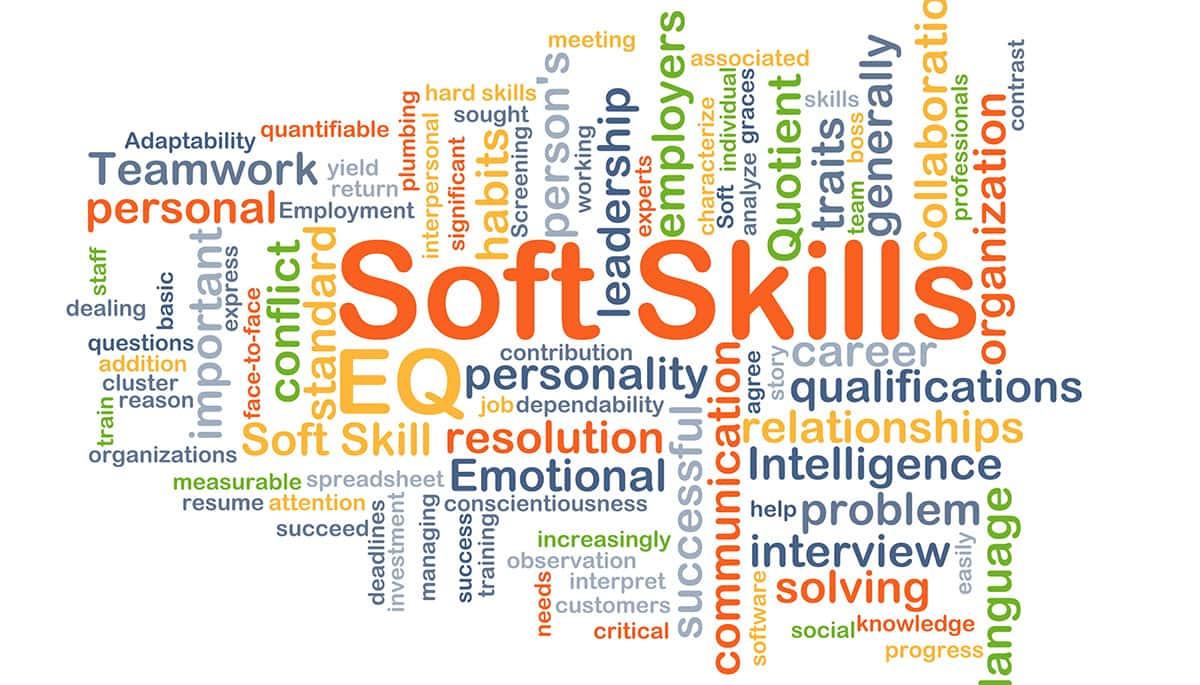
- Soft skills matter: Communication, collaboration, and creativity are in higher demand than ever before.
- Remote and hybrid work: Flexible work environments are now a norm, necessitating digital fluency and self-management.
- Focus on sustainability: Green jobs and ethical leadership are prioritized as climate change becomes a major driver of innovation.
Essential Skills for the Jobs of the Future
as the workforce evolves,the crucial question arises: Which skills will ensure students’ preparedness for tomorrow’s workforce? Here are the must-have competencies:
1. Digital Literacy and Technological fluency
- proficiency in using common software, emerging digital tools, and cloud-based platforms.
- Basic understanding of coding, AI, machine learning, and data analytics.
- Cybersecurity awareness to protect sensitive details.
2. Critical Thinking and Problem Solving
- Ability to analyze information, evaluate solutions, and make informed decisions.
- Creative approaches to addressing challenges in ambiguous situations.
3. Collaboration and Communication Skills
- Working effectively in diverse, multicultural, and remote teams.
- Clear written, verbal, and digital communication.
- Active listening and constructive feedback.
4. Adaptability and Resilience
- Capacity to quickly learn new skills and processes.
- Emotional intelligence to navigate workplace changes and stress.
5. Leadership and Initiative
- Leading projects, motivating teams, and demonstrating accountability.
- Entrepreneurial mindset to identify opportunities and take calculated risks.
6. lifelong Learning and Growth Mindset
- Continuous pursuit of education and professional development.
- Open-mindedness towards feedback, upskilling, and adapting to trends.
Strategies to Prepare Students for Future Careers
Building a future-ready workforce requires forward-thinking strategies and educational innovation. Here’s how schools and educators can prepare students for jobs of the future:
1. Integrate Technology Across the Curriculum
- Incorporate coding, robotics, and digital media projects into lessons from an early age.
- Use virtual labs, simulations, and AI-driven learning tools for interactive experiences.
2. Foster Project-Based and Experiential Learning
- Encourage real-world problem solving through interdisciplinary projects.
- Facilitate internships, job shadowing, and mentorship programs with local businesses.
3. Emphasize Social-Emotional Learning (SEL)
- Teach conflict resolution, emotional intelligence, time management, and stress management techniques.
- Promote mindfulness, self-reflection, and empathy within classroom environments.
4. Personalize Learning Pathways
- Leverage adaptive learning technologies to tailor instruction to individual needs.
- Allow students to pursue passion projects and self-directed study, fostering autonomy and engagement.
5. Establish Partnerships with Industry
- Collaborate with tech companies, nonprofits, and higher education institutions for curriculum input and resource sharing.
- Bring career experts into the classroom for guest lectures and skill-building workshops.
benefits of Preparing Students for the Future Workforce
Empowering students with future-ready skills offers long-term advantages for individuals, communities, and the global economy:
- Higher employability: Students gain a competitive edge in an unpredictable job market.
- Increased innovation: Diverse perspectives and creative thinkers drive technological breakthroughs.
- Economic resilience: Future-ready talent adapts quickly to disruptions, reducing economic impact.
- Stronger communities: Confident, adaptable youth foster positive societal change and leadership.
Practical Tips for students and educators
-
Students:
- Take advantage of online learning platforms, coding bootcamps, and digital certifications (e.g., Google, Microsoft, AWS).
- Join clubs or competitions like robotics,debate,or entrepreneurship to build practical skills.
- Network through internships, volunteering, and LinkedIn profiles to make real-world connections.
- Practice self-reflection regularly—identify your strengths, weaknesses, and goals.
-
Educators:
- Stay updated with latest edtech tools and teaching methods.
- Incorporate SEL and career-readiness topics into your curriculum.
- Encourage student-led projects, critical discussions, and peer mentoring.
- Advocate for inclusive, equitable access to new learning opportunities for all students.
Case Studies: Future-Oriented Education in Action
Case Study 1: Finland’s Forward-Thinking Curriculum
Finland continuously ranks among the top in global education rankings, thanks to its emphasis on creativity, student autonomy, and cross-disciplinary learning. Finnish students participate in real-world projects, entrepreneurship education, and coding classes from elementary school onwards, cultivating skills for lifelong success.
Case Study 2: United States’ Career and Technical Education (CTE) Programs
Across the U.S., CTE programs in high schools and community colleges bridge the gap between academic theory and practical skills. Students learn robotics,advanced manufacturing,healthcare,and digital marketing,preparing them for fast-growing industries with real job experience.
Conclusion: Building a Brighter Future
As the world of work undergoes rapid transformation, equipping students with the essential skills for jobs of the future is imperative. By fostering digital literacy, critical thinking, adaptability, and emotional intelligence, we empower the next generation to sieze opportunities and drive change. Through innovative teaching methods,strong industry partnerships,and a commitment to continuous learning,tomorrow’s workforce can rise to any challenge. The future belongs to those who prepare for it today—let’s ensure every student has the tools to thrive.