
Product Analyst: key Responsibilities, Skills, and Career Opportunities Explained
Introduction
If you’re passionate about leveraging technology to advance education and are drawn to roles that blend data analysis, user research, and strategic thinking, becoming a product Analyst in education technology could be the perfect career path.With universities, colleges, and schools increasingly relying on innovative digital platforms and tools, there’s a growing demand for insightful professionals who can optimize educational products to meet institutional goals and improve learning outcomes.
In this comprehensive guide,we’ll explore what a Product Analyst does in the EdTech sector,the key skills you’ll need,the benefits of the job,practical tips for landing your first role,and how your career can evolve within educational institutions. Whether you’re a recent graduate, a tech enthusiast, or a professional considering a pivot to education technology, this article will clarify everything you need to launch and thrive as a Product Analyst in higher education or K-12 settings.
What Is a Product Analyst in Education Technology?
A Product Analyst in the education technology sector plays a crucial role in shaping the products that support teaching, learning, and institutional management. Working within universities, colleges, or schools, Product Analysts collaborate with cross-functional teams to ensure that ed-tech platforms—such as virtual classrooms, learning management systems, or student information systems—deliver value to users while aligning with academic and business objectives.
The unique mission within education is to foster positive educational experiences and measurable outcomes by continuously improving the tools educators and students rely on every day.
Key Responsibilities of a Product Analyst in EdTech
The specific duties of an EdTech Product Analyst may vary depending on the organization’s size, product portfolio, and strategic focus, but common responsibilities include:
- Data Collection and Analysis: Gathering and analyzing usage data, user feedback, and product performance metrics to inform growth priorities.
- Market and User Research: conducting competitor analysis, trend monitoring, and user persona studies to understand the needs of educators, students, and administrators.
- Feature Evaluation: Assessing the effectiveness of existing and new features, conducting A/B tests, and making recommendations based on real usage patterns.
- Cross-Departmental Collaboration: Working closely with product managers, UX/UI designers, developers, and educational stakeholders to align on product roadmaps and project deliverables.
- Reporting and Interaction: Creating clear reports,dashboards,and presentations to communicate insights and recommendations to decision-makers.
- Quality Assurance: Assisting in QA processes by designing data-driven acceptance criteria and evaluating product releases for bugs or user experience issues.
- Supporting Change Management: Helping universities,colleges,and schools implement new features through training and resource development as needed.
Key Skills and Qualifications for Product Analysts in Education Technology
To excel as a Product Analyst in the education sector, you’ll need a mix of technical, analytical, and interpersonal skills. Recruiters typically look for a combination of the following:
- Data Analysis: Proficiency in using tools such as Excel, SQL, or business intelligence platforms (e.g., Tableau, Power BI) to interpret and visualize data.
- Critical Thinking: The ability to identify trends, draw meaningful insights from complex datasets, and develop actionable recommendations.
- User-Centric Mindset: An understanding of the unique needs of students,faculty,and ed-tech stakeholders,frequently enough supported by experience in user research or usability testing.
- Communication: Strong written and verbal communication skills, including the ability to present complex findings to non-technical audiences.
- Technical Aptitude: Familiarity with digital product development lifecycles and methodologies such as Agile or Scrum.
- Problem-Solving: A knack for identifying underlying challenges and helping devise innovative, data-informed solutions.
- Education Background (a plus): Experience within the education sector or understanding of pedagogical principles can be valuable, especially for roles in higher education or K-12 settings.
Educational requirements for EdTech Product Analyst roles often include a bachelor’s degree in a quantitative or technical discipline (such as Business, Statistics, Computer Science, or Education Technology), but relevant experience or certifications may sometimes substitute formal education.
Career Opportunities and Growth Paths
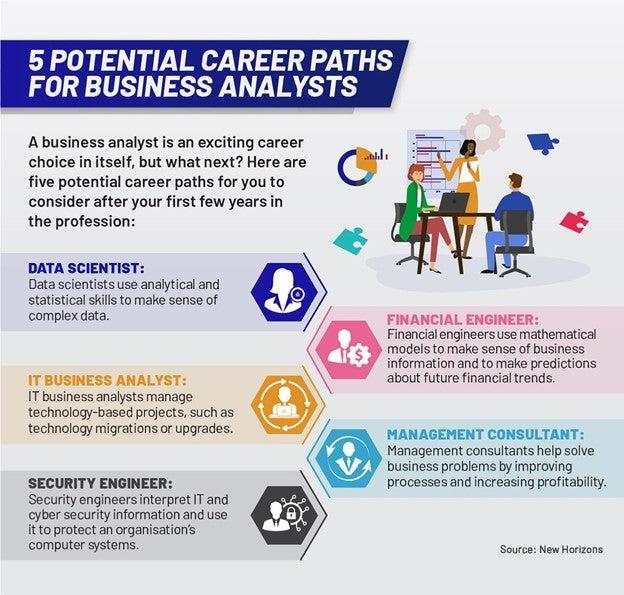
Product Analyst careers in universities, colleges, and schools offer numerous opportunities for advancement and specialization.As you gain experience and develop expertise in education technology, potential career paths include:
- Senior Product Analyst: Taking on more strategic responsibilities, leading analysis projects, and mentoring junior analysts.
- Product Manager: Overseeing the entire product lifecycle, developing product strategies, and managing teams.
- User Experience Researcher: Focusing on qualitative research and user testing to improve engagement and usability.
- Data Analyst/Data Scientist: Specializing further in advanced data analytics,predictive modeling,and machine learning.
- EdTech Consultant: Advising multiple institutions or clients on product optimization, change management, and strategic technology investments.
- Director or VP of Product: Leading larger product or analytics teams and setting the vision for entire product portfolios at institutional or enterprise levels.
With EdTech adoption accelerating, Product Analysts are in demand not just at traditional universities and colleges but also at online schools, education startups, and private learning institutions. The skills you develop are highly transferable within the broader technology and analytics sectors as well.
Benefits of Working as a Product Analyst in Education Technology
Choosing a career as a Product Analyst with a focus on education technology offers unique personal and professional rewards:
- Purposeful Work: Directly contribute to innovations that improve teaching methods,student engagement,and learning outcomes.
- Cutting-Edge Environment: be at the forefront of digital conversion, working with technologies such as artificial intelligence, adaptive learning, and data-driven education.
- Continuous Learning: Engage with a dynamic field that values upskilling and staying ahead of emerging trends in both tech and pedagogy.
- Impactful Collaboration: Work with passionate educators, administrators, and technologists to solve real-world challenges in learning and development.
- Job Security and Flexibility: Demand for skilled EdTech professionals continues to grow, with opportunities for remote and flexible work arrangements.
Practical Tips for Landing a Product Analyst Job in EdTech
Ready to take the next step toward a rewarding career as a Product Analyst in education technology? Here are some actionable tips to stand out in the recruitment process:
- build Relevant Skills: Take online courses or certifications in data analytics, product management, or education technology tools to strengthen your credentials.
- Gain Experience: Look for internships, volunteer projects, or freelance opportunities that allow you to analyze education-related products, platforms, or user data.
- Create a Portfolio: Showcase data visualizations, research reports, or analysis projects on a personal website or LinkedIn profile.
- Network with EdTech Professionals: Join online communities, attend industry conferences, and connect with university or college technology departments.
- Customize your Submission: Tailor your resume and cover letter for each institution, emphasizing your passion for improving education through innovation and analysis.
- Be Prepared for Case Interviews: Prepare for scenarios where you may need to analyze real or hypothetical product data and discuss recommendations with interviewers.
Emphasize your ability to bridge the gap between technical analysis and educational impact—this is what truly sets excellent Product analysts in EdTech apart.
Frequently Asked questions About Product Analyst Roles in Education Technology
Q: Is previous experience in education necessary?
A: While not always required, having an understanding of educational environments or policies can be helpful, especially for roles at universities or colleges. However, strong analytical and product management skills are highly valued irrespective of background.
Q: What are common tools used by Product Analysts in EdTech?
A: Tools often include SQL, Excel, Google Analytics, Tableau, Power BI, Jira, and user research platforms. Familiarity with learning management systems (LMS) can also be beneficial.
Q: How is a Product Analyst different from a Data Analyst in schools?
A: While there is some overlap, Product Analysts focus on analyzing the performance, usability, and market fit of digital products, collaborating closely with product development teams. Data Analysts may focus more on general data collection and reporting for the institution as a whole.
Q: What is the salary range for Product Analysts in EdTech?
A: Salaries vary depending on location, experience, and institution type, but typically range from entry-level positions starting at $60,000 to advanced roles exceeding $100,000 annually.
Conclusion
A career as a Product Analyst in education technology at universities, colleges, or schools is rewarding for those who thrive at the intersection of data, technology, and impactful change. by supporting the development and optimization of cutting-edge educational products, you’ll help transform the way knowledge is delivered and experienced.
With the ongoing digital transformation in education, Product Analysts are vital to driving student success, instructor satisfaction, and institutional innovation. By developing the right skills, cultivating an analytical mindset, and staying connected to educational trends, you can position yourself for a fulfilling and dynamic career in EdTech.
Ready to shape the future of education as a Product Analyst? Start building your skills today,and take the first step toward making a difference in classrooms,campuses,and communities everywhere.