
Product Operations Manager in Education Technology: Key Responsibilities, Essential Skills, and Career Growth Guide
Are you passionate about both technology and education? Do you want to play a pivotal role in shaping innovative learning experiences for schools, colleges, and universities? Education technology (EdTech) is transforming classrooms globally, and Product Operations Managers are at the heart of this revolution. In this comprehensive guide, we’ll explore the core duties, required competencies, career prospects, and practical advice for aspiring Product Operations Managers seeking opportunities in EdTech environments.
Introduction: The Role of Product Operations Manager in Education Technology
With digital learning tools becoming central to educational institutions, the demand for skilled professionals who can streamline product development and deployment is higher than ever. A Product Operations Manager in EdTech bridges the gap between product teams, educators, IT departments, and administrators to ensure seamless integration and optimal use of learning platforms and technologies. This role blends project management, process improvement, and stakeholder engagement, making it an exciting career for those who thrive in dynamic, collaborative environments.
Key Responsibilities of a product Operations Manager in EdTech
Product Operations managers in universities, colleges, or K-12 schools have a multifaceted role. Their primary objective is to optimize the way educational products (such as Learning Management Systems, classroom apps, or assessment tools) are developed, launched, and maintained. Core responsibilities include:
- Project Coordination and Process Management: Overseeing the lifecycle of EdTech products from planning to post-launch, coordinating cross-functional teams, and ensuring project milestones are met on time and within budget.
- Data-Driven Decision Making: Collecting and analyzing product usage data, user feedback, and performance metrics to drive continuous improvement and inform future development.
- Stakeholder Communication: Acting as a liaison between product teams,academic staff,students,and IT to ensure needs are clearly understood and addressed.
- Workflow Optimization: Identifying bottlenecks and implementing best practices to enhance operational efficiency during product rollout and ongoing updates.
- Quality Assurance and Risk management: Collaborating with QA teams to monitor product quality, security, and compliance with institutional policies and data privacy regulations.
- Documentation and Training: Creating clear product documentation, user guides, and training materials for educators and users to maximize adoption and effective use.
- support Management: Establishing support processes and managing escalations to resolve product issues quickly and efficiently.
Essential Skills and Qualifications
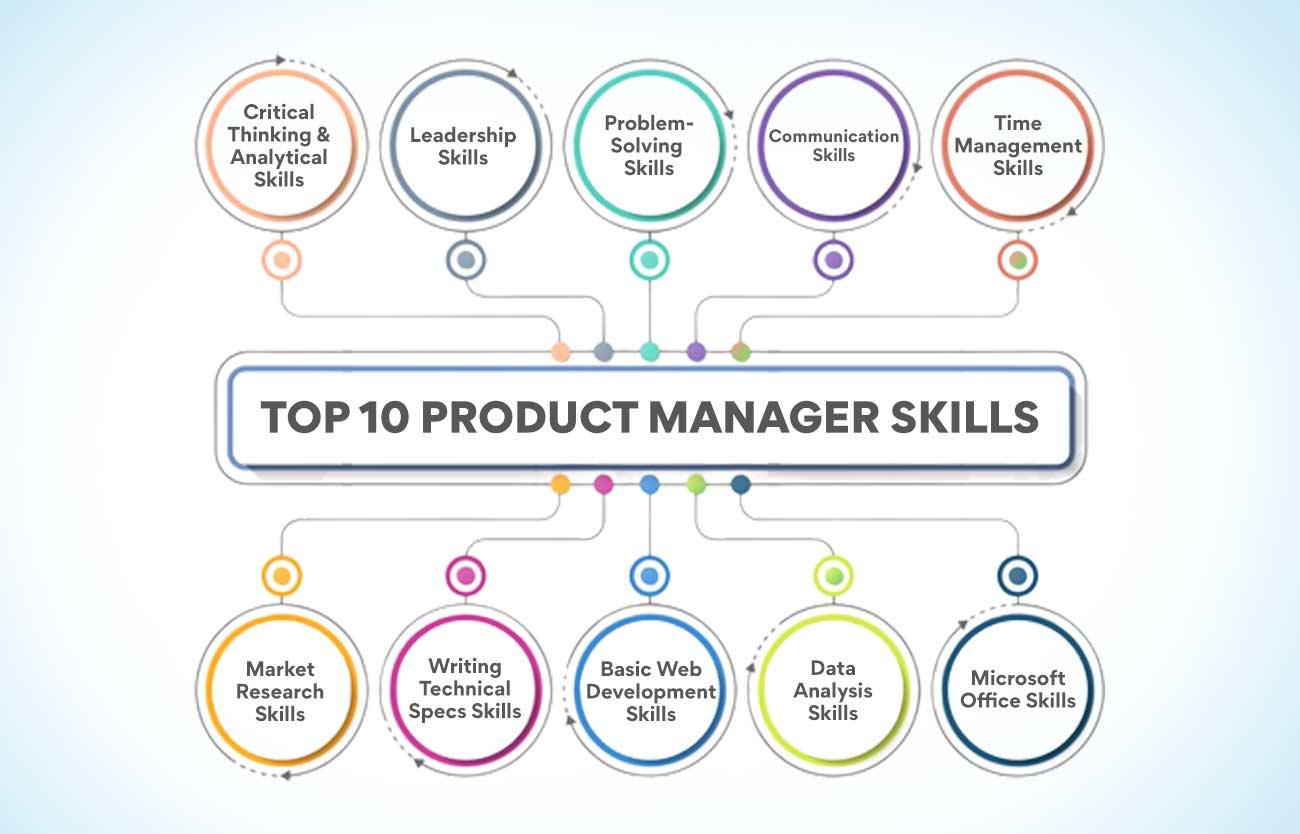
Landing a Product Operations Manager position in EdTech requires a blend of technical acumen, project management expertise, and people skills. Universities, colleges, and schools often look for candidates with the following qualifications:
Technical and Industry Skills
- Project Management: Proficiency with agile methodologies (Scrum, Kanban) and tools like Jira, Trello, or Asana.
- Data Analysis: Experience with Excel, Google Analytics, or business intelligence tools to interpret data and support evidence-based decision-making.
- Understanding of EdTech Products: Familiarity with learning Management Systems, educational apps, and tools commonly used in schools and higher education.
- Technology Savvy: Basic understanding of software development processes, apis, and integration frameworks, even if you’re not directly coding.
Core Soft Skills
- Communication: Strong written and verbal skills to interact with diverse teams and present complex facts clearly.
- Problem-Solving: Ability to think critically, identify issues quickly, and propose practical solutions.
- Adaptability: Comfort with rapid change in a technology-driven surroundings and willingness to learn new tools and platforms.
- Leadership: Experience leading teams, motivating stakeholders, and influencing cross-functional groups without direct authority.
- Organization: Strong multitasking and prioritization skills to manage multiple projects and conflicting deadlines.
Education and Experience
- Bachelor’s or Master’s degree in Business, Education, Technology, or related fields.
- Prior experience in product management, project management, or operations—especially within an educational or technology context—gives candidates a competitive edge.
- Certifications in project management (e.g., PMP, Agile) or product management can be favorable.
Benefits of Building a Career as a Product Operations manager in EdTech
Pursuing a career as a Product Operations Manager in education technology offers several distinct advantages:
- Meaningful Impact: Directly contribute to the improvement of learning experiences and educational outcomes for students and teachers.
- Professional Growth: Gain exposure to cutting-edge technology and best practices in project management and product development.
- Job Stability: as EdTech adoption accelerates,universities,colleges,and schools need experts to manage complex products effectively—ensuring steady demand for these roles.
- collaborative Networks: Work closely with educators, IT professionals, and tech vendors, expanding your professional network and building diverse skills.
- Competitive Compensation: Operations management roles in EdTech typically offer attractive salary packages and benefits.
Career Path and Growth Opportunities
For job seekers targeting universities, colleges, or K-12 schools, becoming a Product Operations Manager can open doors to a variety of rewarding career tracks. Typical career progression includes:
- senior Product Operations Manager: Lead larger teams or manage an entire suite of educational products across multiple departments or campuses.
- Director of Product Operations: Oversee strategic operations,set organizational procedures,and collaborate with executive leadership on product strategy.
- Product Manager or Product Owner: Transition into dedicated product development roles with greater influence over product vision and roadmap.
- Specialization Roles: move into Education Technology Consulting, customer Success Management, or Implementation Specialist roles based on interests and expertise.
The diverse experience gained in a Product Operations Manager position also makes you an attractive candidate for EdTech startups,nonprofit education organizations,and educational publishers beyond traditional schools and universities.
Practical Tips for Landing a product Operations Manager Job in EdTech
- Customize Your Resume: Highlight achievements in process optimization, data analysis, and cross-team collaboration. Use metrics to show impact where possible.
- Showcase EdTech Knowledge: Demonstrate familiarity with educational platforms and technologies in your application and interviews.
- Develop a Portfolio: Include case studies or examples of prosperous projects managed, workflow improvements implemented, or technology integrations overseen.
- Network Within the EdTech Community: Attend industry events,online forums,and webinars; engage with professionals across both education and technology sectors.
- Upskill Continuously: Stay current with trends in education technology, data privacy regulations, and project management best practices by taking online courses or attending workshops.
- Research Your Target Institutions: Understand the specific mission, challenges, and tech landscape of the university, college, or school you’re applying to. Tailor your application to their needs.
- Prepare for Behavioral Interviews: Be ready to discuss scenarios involving stakeholder management,conflict resolution,and process change. Use the STAR (Situation, Task, Action, Result) method to structure answers.
Frequently Asked Questions (FAQ)
1. What is the difference between a Product Manager and a Product Operations Manager in EdTech?
While both roles work closely together, a Product Manager focuses on the vision, roadmap, and features of a product, while a Product Operations Manager optimizes the processes and supports the execution, ensuring efficient delivery and smooth operation of EdTech solutions.
2. Are Product Operations Managers expected to have teaching experience?
While not mandatory, understanding the educational environment is highly valued. Experience as a teacher, administrator, or educational coordinator can enhance your credibility and ability to empathize with user needs.
3. What tools do product Operations Managers use in educational institutions?
Common tools include project management software (Jira, Asana), data analytics platforms (Tableau, Google Analytics), communication tools (Slack, Microsoft Teams), and documentation systems (confluence, Google Docs).
Conclusion: Is a Career as a product Operations Manager in EdTech Right for You?
If you’re excited about optimizing learning technologies, collaborating with diverse teams, and making a tangible impact on education, a Product Operations Manager role in EdTech could be the perfect career path. This position offers the satisfaction of shaping the future of education,continual professional development,and a wealth of growth opportunities across universities,colleges,and schools. As the edtech industry continues to expand, skilled operations managers will remain in high demand—making now an excellent time to embark on this rewarding journey.
Start building your skills, expanding your network, and preparing for this dynamic and impactful role in education technology today!