
Product operations Manager in Education Technology: Key Responsibilities, Skills, and Career Tips for Success
Are you passionate about shaping the future of learning through innovative technology? If you’re aiming to join a university, college, or school as a Product Operations Manager in the education technology (EdTech) sector, this comprehensive guide is yoru pathway to understanding what the role involves, the top skills you need, and practical advice for landing and excelling in a rewarding EdTech career. product Operations Managers play a crucial part in optimizing the lifecycle and impact of educational products—from digital learning platforms to student engagement solutions—ensuring these tools meet strategic goals and deliver true value to educators and students alike.
Understanding the Role: What Does a Product Operations Manager Do?
Within the EdTech industry, the Product Operations Manager serves as a critical bridge between product, engineering, customer success, and academic stakeholders.In university, college, or school environments, their core mission is to streamline operations, facilitate communication, and empower cross-functional teams to deliver exceptional learning experiences.
Key responsibilities of a Product Operations Manager in EdTech
- Process Optimization: Design, implement, and continuously improve workflow processes related to product development, deployment, and support.
- Cross-Functional Collaboration: Coordinate efforts between product management, engineering, instructional design, IT, and faculty teams to drive project success.
- Data Analysis & Reporting: Track and analyze product performance metrics, usage data, and feedback to inform decisions and advocate for improvements.
- Change management: Develop and oversee smooth rollout processes for new EdTech products or features, ensuring minimal disruption for teachers and learners.
- User Support: Work closely with support teams to streamline issue resolution, ensure documentation is up-to-date, and measure user satisfaction for continuous enhancement.
- Quality Assurance: Monitor product releases, test new functionalities, and identify gaps or bugs to maintain high standards of quality and reliability in educational tools.
- Training & Enablement: Coordinate training sessions, webinars, and resources to educate staff and faculty about new technology features or updates.
- Strategic Alignment: Ensure that product operations are in line with institutional goals, compliance standards, and pedagogical priorities.
Essential Skills for Product Operations Managers in Education Technology
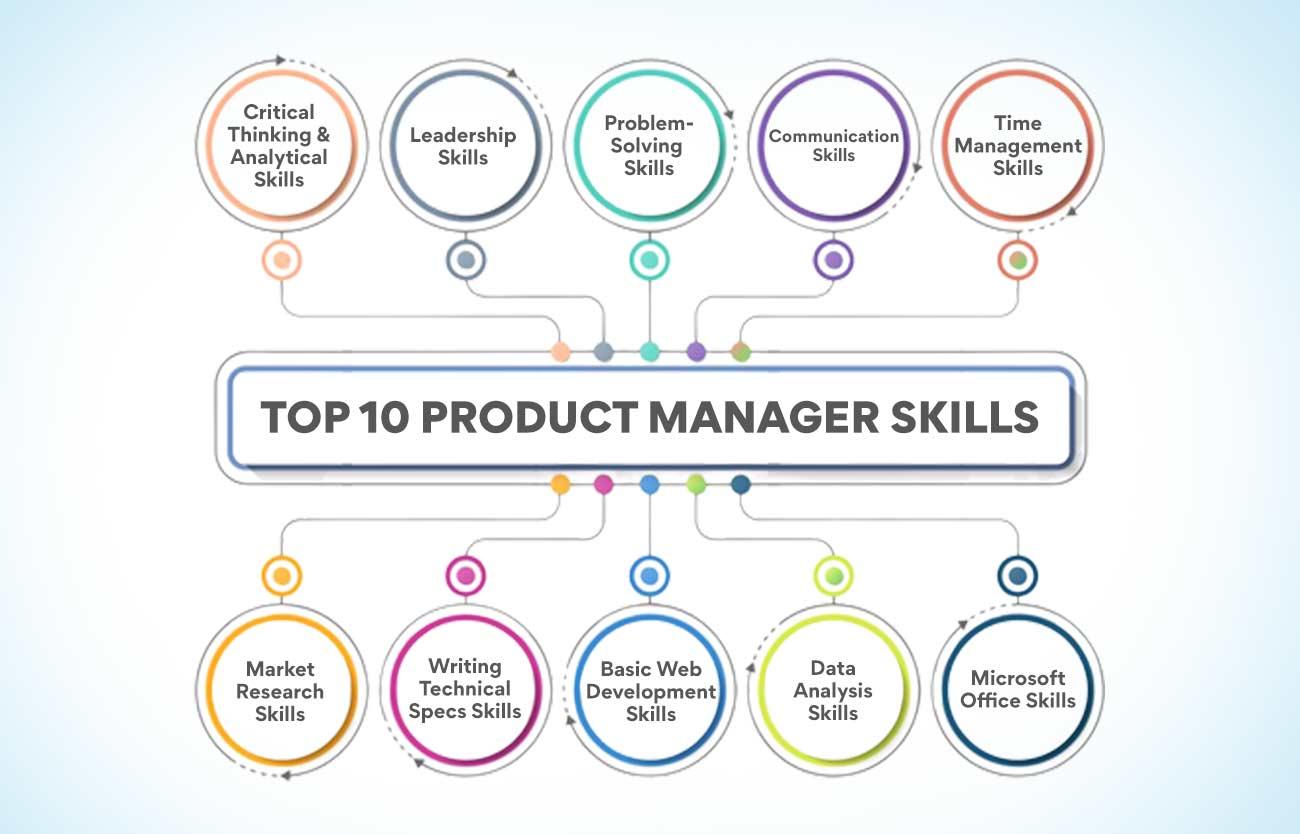
Landing a Product Operations Manager position in a university, college, or school demands a blend of technical, analytical, and interpersonal skills.The right skillset ensures you can navigate complex educational environments and foster innovation across departments. Here’s what top employers look for:
- Project Management Expertise: Familiarity with Agile, Scrum, or Kanban methodologies; ability to lead project cycles from planning through deployment.
- Data Literacy: Comfort in leveraging analytics platforms, interpreting dashboards, and presenting findings to stakeholders.
- Communication Skills: Strong written and verbal abilities to bridge technical and non-technical teams and to train faculty or staff.
- Problem-Solving Attitude: A proactive mindset for diagnosing issues, developing solutions, and optimizing processes in response to real-world challenges.
- Tech Savvy: Understanding of educational technology platforms (e.g., LMS, SIS, assessment tools), with the ability to quickly learn new systems.
- Stakeholder Management: Capacity to manage relationships across varied parties—faculty, administrators, product developers—and balance competing priorities.
- Change Leadership: Experience in managing transitions, communicating change, and fostering buy-in from resistant users.
- Attention to Detail: Thoroughness in product testing, documentation, and process adherence to uphold quality standards.
Qualifications and Experience: What You Need to Get Started
While requirements vary by institution, most universities, colleges, and schools seek Product Operations Managers with a solid foundation in business, technology, and project management. Typical qualifications include:
- Bachelor’s degree in business administration, computer science, educational technology, or a related field.
- Professional certifications such as PMP,Agile,Six Sigma,or ITIL are highly regarded.
- 2–5 years of experience in product operations,project management,or a similar EdTech-related field.
- familiarity with enterprise EdTech platforms (Canvas, Blackboard, Moodle, etc.) and data visualization tools.
The Benefits of Working as a Product Operations Manager in EdTech
Choosing a career in education technology product operations offers many rewards, both professionally and personally.
- Purpose-driven work: Directly contribute to enhancing teaching and learning outcomes through impactful technology.
- Dynamic, collaborative environment: Work with a wide range of professionals, including tech innovators, educators, and institutional leaders.
- Opportunities for professional growth: The EdTech field is rapidly expanding, providing ongoing learning and advancement potential.
- Competitive compensation: Institutions recognize the strategic value of EdTech operations, frequently enough offering attractive salary packages and benefits.
- Work-life balance: Many organizations offer flexible schedules and remote/hybrid work arrangements.
Practical Career Tips to Land and Succeed as a product Operations Manager
Ready to launch or accelerate your career as a Product Operations Manager in EdTech? Here are actionable tips to give you a competitive edge:
1. Build Strong Technical and Analytical Skills
- Take online courses or attend workshops on data analytics, project management, and EdTech platforms.
- Stay updated on the latest trends in educational technology and product operations by reading industry reports and attending webinars.
2. Network within the Education Technology Community
- Join professional associations and online forums dedicated to EdTech, product management, and operations.
- Participate in conferences, seminars, and local meetups to connect with other professionals and academic decision-makers.
3. Highlight Achievements and Results
- On your resume and in interviews, showcase instances where you improved processes, reduced costs, or enhanced user satisfaction in previous roles.
- Use quantifiable outcomes to illustrate your impact and expertise.
4. Cultivate a User-Centered Mindset
- Demonstrate empathy for educators, administrators, and students. Understand their challenges and prioritize solutions that deliver measurable value.
- Regularly solicit feedback and iterate on processes or products to ensure alignment with stakeholder needs.
5. Prepare for Cross-Functional Leadership
- Strengthen your ability to lead diverse teams and manage complex projects involving multiple departments.
- Develop negotiation and influence skills to drive consensus among stakeholders with differing goals.
6. Stay Organized and Agile
- Utilize project management software and collaboration tools to keep tasks on track and teams aligned.
- be flexible and open to adjusting strategies as technology and academic needs evolve.
Frequently Asked Questions (FAQ)
What is the average salary for a Product Operations Manager in edtech institutions?
The salary range can vary widely depending on the size of the university,college,or school and your location. As of 2024, average salaries typically range between $70,000 and $120,000 per year, with higher compensation offered at major universities or for candidates with extensive experience or advanced certifications.
Is prior experience in education necessary to become a Product Operations Manager?
While direct experience in education can be beneficial, many triumphant Product operations Managers come from technology, business, or project management backgrounds. Though, demonstrating an understanding of educational needs and institutional culture will set you apart.
What are the career growth opportunities in product operations within EdTech?
Career advancement options include moving into senior operations roles, product management leadership, EdTech consultancy, or strategic program directorship within academic institutions or EdTech firms.
Conclusion: Embark on a Rewarding Career in EdTech Product Operations
As the digital change of education accelerates, Product Operations Managers are vital in harnessing technology’s potential for learning and teaching innovation.Universities, colleges, and schools increasingly rely on these professionals to ensure their EdTech offerings deliver strategic impact, operational efficiency, and exceptional user experiences. By mastering the core responsibilities, developing essential skills, and adopting best practices, you can position yourself for a successful and fulfilling career at the intersection of technology and education.weather you’re transitioning from another industry or advancing within edtech, this role offers the opportunity to make a meaningful difference in the academic world—one workflow, product, and learner at a time.