
Product Owner in Education Technology: Key Roles, Responsibilities & Essential Skills for Success
Are you passionate about transforming learning experiences through technology and aspire to play a strategic role in teh education sector? As digital change accelerates across universities, colleges, and schools, the role of the Product Owner in education technology (EdTech) has emerged as a critical position. In this article, we delve deep into what it takes to succeed as a Product Owner in EdTech, especially within educational institutions. Whether you’re starting your career or looking to pivot from another domain, this comprehensive guide will outline the responsibilities, essential skills, benefits, and practical tips to boost your job application in this in-demand field.
What Does a Product Owner Do in Education Technology?
The Product Owner bridges the gap between teaching staff, students, administrative leaders, and technical teams to deliver effective and user-centric digital solutions. Within the context of EdTech at universities, colleges, or schools, a Product Owner is responsible for maximizing the value of digital products such as Learning Management Systems (LMS), online portals, assessment tools, and virtual classrooms.
- Representing stakeholder interests (faculty, students, management)
- defining and prioritizing product features
- Creating and maintaining the product backlog
- Ensuring solutions align with educational goals and compliance standards
- collaborating with progress teams
- Gathering user feedback and driving continuous improvement
Key Responsibilities of an EdTech Product Owner
The Product Owner’s core mission is to guide cross-functional teams in building impactful educational software solutions. Here are the primary responsibilities in this role:
1.Vision Setting & Product Strategy
- Define and communicate the product vision aligned with institutional goals
- Develop a product roadmap and set measurable objectives
- Conduct market research and competitor analysis to inform product direction
2. Stakeholder Management
- Convert stakeholder requirements into actionable features
- Organize meetings, lead workshops, and foster buy-in from diverse user groups
- Balance conflicting interests to prioritize features that deliver the most value
3. Backlog Management
- Create, maintain, and prioritize the product backlog
- Collaborate with business analysts and subject matter experts
- Refine and clarify requirements, ensuring they’re ready for development sprints
4.Development Collaboration
- Work closely with software engineers, UI/UX designers, and QA testers
- Participate in sprint planning, reviews, and stand-up meetings
- Clarify features, accept deliverables, and ensure the work meets user needs
5. User Experience advocacy
- Champion accessibility,inclusivity,and intuitive design
- Perform user acceptance testing (UAT)
- Gather and analyze user feedback to drive enhancements
6. Data-Driven Decision Making
- Analyze usage metrics, adoption rates, and learning outcomes
- Set KPIs and use data insights to inform iterations
7. Compliance and Security
- Ensure products comply with educational data privacy laws (e.g., FERPA, GDPR)
- Integrate security best practices into the product development cycle
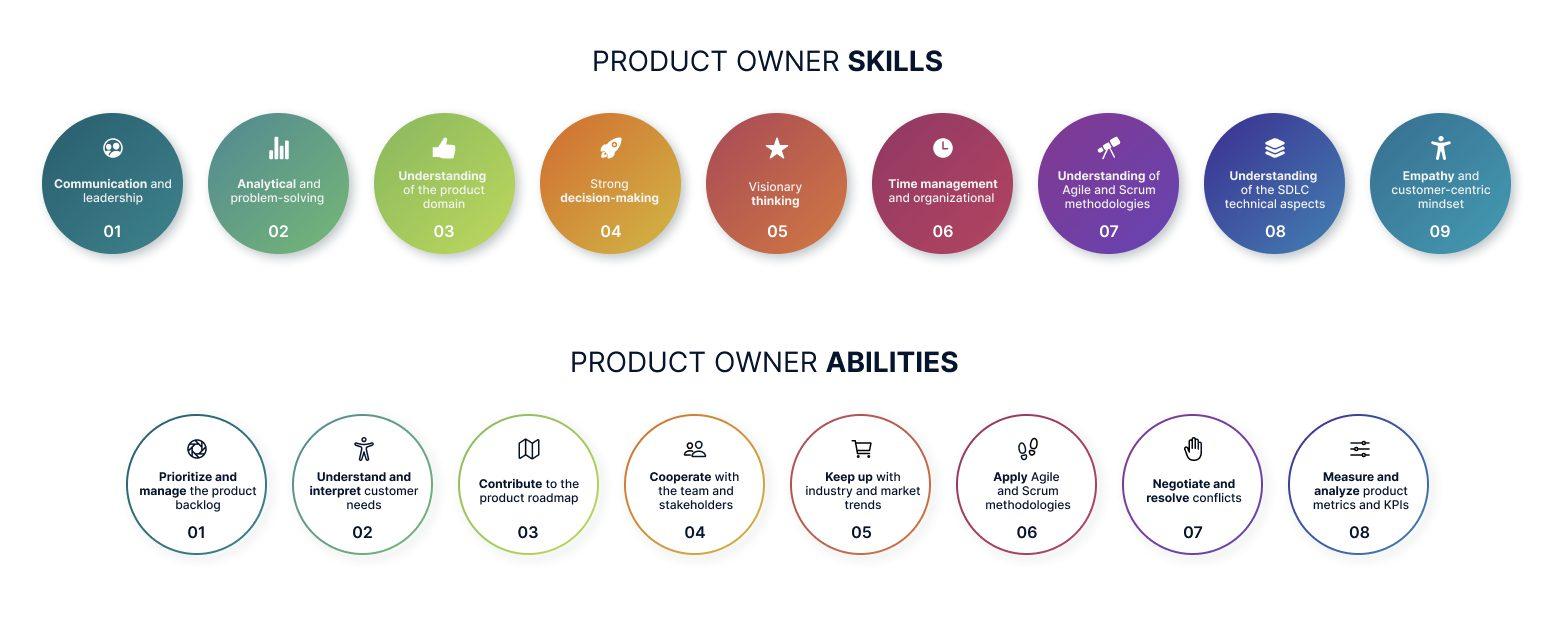
Essential Skills for Success as an EdTech Product Owner
Succeeding as a Product Owner in education technology requires a rare blend of technical acumen, collaboration skills, and a passion for educational impact. Below are the top skills to master:
Technical and Domain Knowledge
- Understanding of software development methodologies (Agile, Scrum, Kanban)
- Familiarity with edtech platforms, learning management systems, and integration protocols (e.g., LTI, SIS)
- Awareness of accessibility standards (WCAG) and digital pedagogy
strategic Thinking
- Ability to translate institutional strategy into actionable product features
- Prioritization skills for balancing features, time, and resources
Communication and Interpersonal Skills
- Skillful negotiation and diplomacy with stakeholders from diverse educational backgrounds
- Clear, concise documentation and user story writing
User-Centered Mindset
- Empathy for students, educators, and administrators
- Design thinking and advocacy for impactful, inclusive digital experiences
Analytical and Problem-Solving Abilities
- Transform data and feedback into actionable improvements
- Identify and address pain points in learning software or processes
Leadership and teamwork
- Facilitate collaboration across cross-disciplinary teams
- Drive consensus and inspire innovation in educational technology
Benefits of Becoming a product Owner in Education Technology
- Impact: Shape digital solutions that transform how students learn and teachers teach
- Professional Growth: Exposure to Agile methods, edtech innovation, and leadership opportunities
- Job Security: Demand for education technology specialists is growing rapidly
- Versatility: Develop core product management skills applicable across industries
- Collaboration: Interact with diverse teams—from educators to IT devs
Practical Tips for Landing a Product Owner Job in EdTech
- Gain Relevant experience: Seek roles in project management, business analysis, or software development within educational settings
- Stay Informed: Keep abreast of edtech trends, evolving student needs, and technological innovations
- Certifications: Consider Agile, Scrum, or Product Owner certifications to boost your credibility
- Build a Portfolio: Showcase product case studies, user journeys, and triumphant launches of education-focused platforms
- Network with Industry Experts: Attend edtech conferences, webinars, and academic technology meetups
- Highlight Transferable Skills: Emphasize empathy, communication, and analytical thinking on your resume
- Tailor Your Application: Align your cover letter and CV with the job description’s required skills and demonstrate your impact in previous roles
Why Educational Institutions Rely on Product Owners
Universities, colleges, and schools are investing heavily in educational technology to enhance student engagement and learning outcomes. Product Owners play a pivotal role in ensuring these investments translate to success by:
- Bridging the gap between educators’ pedagogical goals and technical feasibility
- maintaining a clear product direction despite evolving priorities
- Driving agile processes that enable rapid adaptation to educational change
- Ensuring compliance and safeguarding sensitive student data
Conclusion
Becoming a Product Owner in education technology is an exciting and rewarding path for those passionate about innovation and impact within higher education and K-12 environments. By mastering a mix of technical, strategic, and interpersonal skills, you can play a crucial role in shaping the future of learning and teaching at universities, colleges, and schools.
If you’re ready to embark on a fulfilling career that directly contributes to educational success, consider pursuing a role as a Product Owner in EdTech. With the right expertise and mindset, you can drive meaningful change and help shape digital experiences that empower both educators and learners for years to come.