
Product Owner: Key Roles, Responsibilities & Skills for Agile Success in Education Technology
Are you passionate about shaping the future of learning with technology? If you are interested in working as a Product Owner in education technology (EdTech) at universities, colleges, or schools, you’re stepping into a dynamic role at the intersection of education, technology, and product management. This thorough guide delves into the core roles, responsibilities, and essential skills for Product Owner positions, highlighting what it takes to achieve agile success in EdTech environments. Whether you’re making a career switch or starting your journey, this article provides the insights and practical tips you need to stand out and succeed.
Understanding the Product Owner Role in Education Technology
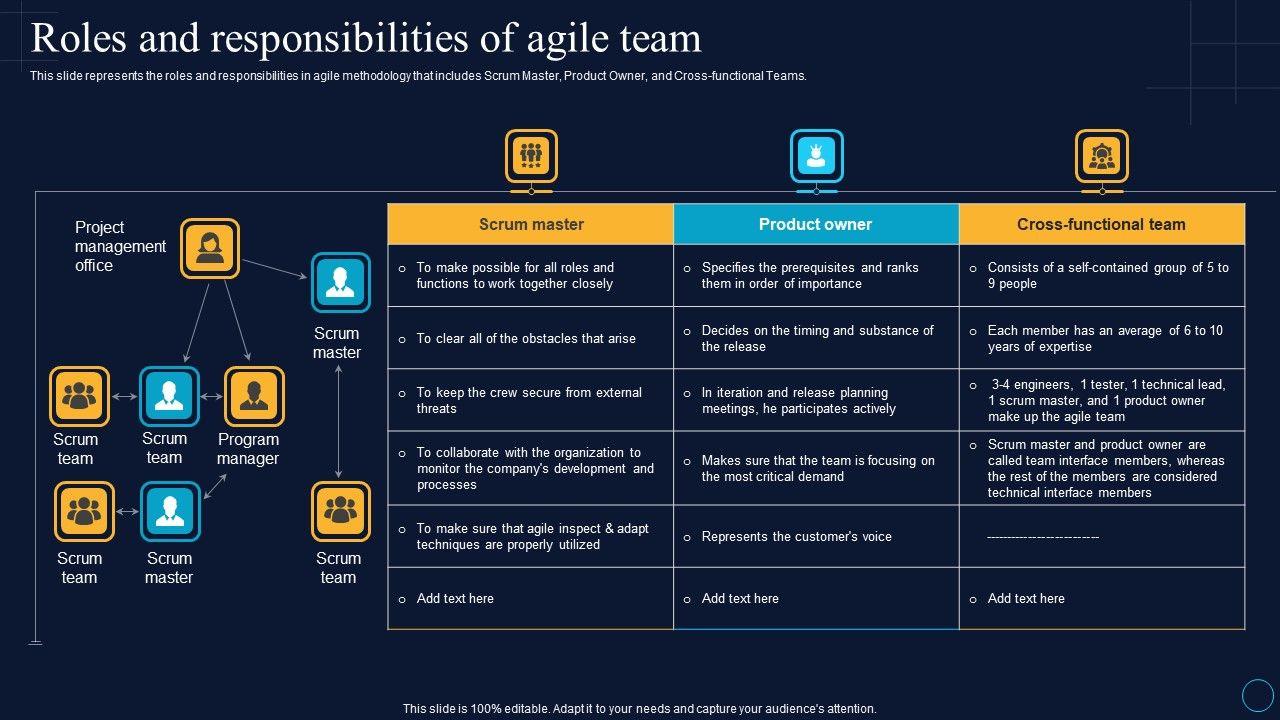
The Product owner serves as a pivotal link between education stakeholders, users (students and educators), development teams, and technology partners.In EdTech, Product Owners are responsible for driving the vision, strategy, and iterative delivery of digital products such as learning management systems, e-learning platforms, classroom tools, or educational apps.
Unlike generic software product roles, Product Owners in education technology must deeply understand pedagogical goals, institutional processes, student engagement, and regulatory demands.The habitat is collaborative, mission-driven, and focused on academic success and lifelong learning.
Key Responsibilities of a Product owner in EdTech
As a Product Owner in education technology at a university, college, or school, your day-to-day duties will be both strategic and hands-on. Core responsibilities include:
- Defining Product Vision & Strategy: Work with educational leaders, instructors, administrators, and IT to shape a cohesive product vision aligned with institutional objectives and user needs.
- Managing the Product Backlog: Create, prioritize, and refine user stories and requirements. Ensure that the backlog reflects business priorities and offers value to educators and learners.
- Stakeholder Liaison: Serve as the main point of contact between cross-functional teams, including subject matter experts, instructional designers, software developers, user experiance (UX) designers, and end-users.
- Agile Planning & Execution: Collaborate in agile ceremonies (such as sprint planning, reviews, and retrospectives). Continuously clarify requirements, accept/reject deliverables, and ensure the product meets quality standards.
- Market and User Research: Analyze usage data, feedback, and market trends to guide feature development, improve adoption, and solve authentic educational challenges.
- Regulatory & Accessibility Compliance: Ensure products meet legal, ethical, security, and accessibility standards such as FERPA, GDPR, WCAG, and other education regulations.
- Release Management & Delivery: Coordinate the release of new features, documentation, and training for faculty and students, ensuring smooth transitions and robust support systems.
- Continuous Betterment: Promote a culture of iteration by gathering feedback and driving ongoing enhancements based on learning outcomes and institutional goals.
Sample Tasks for an EdTech Product Owner
- Interviewing faculty and students to gather product feedback
- Writing and refining product requirement documents (PRDs)
- Evaluating project proposals with IT and instructional design teams
- Demonstrating new features at faculty workshops or webinars
- Using data analytics tools to monitor student engagement or product success
Essential Skills for Product Owners in education Technology
To excel as a product Owner in the EdTech sector, you’ll need to bring a blend of technical, interpersonal, and educational skills. Here are the most vital capabilities:
1.Deep Understanding of Education Ecosystems
- Familiarity with K12, higher education, or adult learning environments
- Insight into current trends in digital learning, instructional design, and academic innovation
2. Agile and Scrum Methodologies
- Knowledge of frameworks like Scrum or Kanban
- Ability to manage sprints, prioritize backlogs, and refine user stories
- Experience working in cross-functional agile teams
3. Product Management & Analytical Skills
- Gathering and analyzing user data to inform product decisions
- Roadmap planning, release scheduling, and market research
- Prioritizing features and balancing technical debt vs. innovation
4.Communication & Stakeholder Management
- Facilitating workshops and meetings with diverse participants
- Translating technical data into user-pleasant language
- Negotiation and consensus building
5. Technical Savvy
- Understanding software development life cycles and EdTech tools
- working comfort with APIs, integrations, LMS platforms, and more
6. Problem-Solving & Adaptability
- Addressing conflicting interests and rapidly changing priorities
- Troubleshooting unexpected issues in product launches
7.Regulatory & Accessibility Awareness
- Ensuring compliance with educational data privacy and accessibility laws
- Championing inclusive design and equitable access for all learners
Benefits of a product Owner Career in EdTech
Pursuing a product Owner role in the education technology sector offers numerous advantages:
- High Impact: Shape the future of education and make tangible improvements in how students learn and educators teach.
- Stable Growth: The EdTech industry continues to expand as institutions accelerate digital transformation.
- Continuous Learning: Exposure to emerging technologies,lifelong learning opportunities,and direct interaction with end-users.
- Collaborative environment: Work closely with passionate educators, administrators, and technologists.
- Competitive Compensation: Salaries are attractive, especially for Product Owners with expertise in both technology and education.
Practical Tips for Landing a Product Owner Job in Education Technology
If you’re planning to launch or advance your career as a Product Owner in schools, colleges, or universities, keep the following tips in mind:
1. Build a Relevant Skill Set
- Earn certifications such as Certified Scrum Product Owner (CSPO) or Certified Agile Product Manager.
- Develop familiarity with learning management systems (Canvas, moodle, Blackboard), educational apps, and data analytics platforms.
- Acquire basic UX, project management, or instructional design experience.
2. Tailor Your Resume and Portfolio
- Highlight successes in agile software delivery, product launches, or EdTech projects.
- Showcase experience with educational stakeholders, curricular goals, or digital transformation in academic settings.
- Include quantifiable achievements—improved adoption rates, enhanced learning outcomes, or process efficiencies.
3. Demonstrate Passion for Education
- Engage in EdTech communities, participate in conferences, or contribute to online discussions about educational innovation.
- Volunteer for pilot projects at local schools or institutions to gain firsthand exposure.
4.Prepare for Behavioral & Technical Interviews
- Anticipate scenario-based questions about backlog prioritization, stakeholder management, and agile workflows.
- Use the STAR (situation, Task, Action, Result) method to highlight your problem-solving skills.
5. Stay Current with Industry Trends
- Follow updates on digital learning methodologies, accessibility standards, and educational regulatory changes.
- Stay informed about new EdTech tools, AI in education, adaptive learning, and open educational resources.
Pathways to Advancement: Growing Your Career in EdTech Product Ownership
A Product Owner role in education technology is an excellent gateway to higher leadership in product management, EdTech strategy, or institutional transformation. With demonstrated success, you might progress to:
- Senior Product Owner: Oversee multiple product lines or lead larger agile teams.
- Product Manager/Director of Product: Define long-term portfolio strategies and coordinate across departments.
- Chief Product Officer or EdTech Innovation Lead: Shape digital learning strategy at the institutional or district level.
there are also opportunities to branch into consulting, entrepreneurial ventures, or government agencies focused on digital education initiatives.
Conclusion
As digital transformation accelerates across the education sector, the need for talented, agile Product Owners in EdTech has never been greater. By mastering the essential roles, responsibilities, and skills outlined above, you can play a key part in crafting products that empower both learners and educators. Start building your profile, networking with education technology professionals, and refining your agile expertise—your next big break as a Product Owner in education technology could be just around the corner.
If you’re ready to advance your EdTech career at a university, college, or school, now is the perfect time to leverage your passion for learning and your product management skills to make a meaningful difference.