
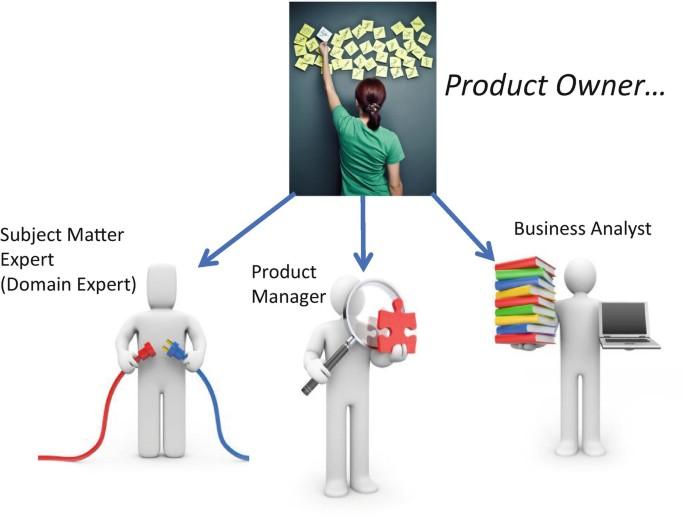
Product Owner Role Explained: Essential Skills, Responsibilities, and Career Path
Are you excited about harnessing technology to transform education? As learning environments in universities, colleges, and schools rapidly evolve, the demand for skilled Product Owners in education technology (EdTech) is growing. Product Owners serve a critical function in shaping the digital platforms and tools used by teachers, administrators, and students. If you’re looking to get a job as a Product Owner in EdTech,this comprehensive guide will walk you through the role,essential skills,responsibilities,the career path,and practical tips to ensure you’re set up for success.
What Is a Product Owner in Education Technology?
The Product Owner is a pivotal figure in EdTech teams at universities, colleges, and schools.Acting as the voice of end users—students, faculty, and administrators—the Product Owner oversees the growth of educational software and platforms to ensure they are effective, engaging, and meet institutional needs. This role bridges the gap between technical teams and educational stakeholders, aligning product features with learning objectives and strategic goals.
- Key environments: Universities, colleges, K-12 schools, online education providers
- main products: Learning Management Systems (LMS), virtual classrooms, assessment tools, administrative software
Essential Skills for EdTech Product Owners
Successful Product Owners in education technology roles possess a unique blend of technical know-how, communication skills, and a passion for empowering learners. Here are the core competencies every aspiring Product Owner should cultivate:
- Strong Communication: Clearly articulating product vision, goals, and user stories to both technical teams and educational stakeholders.
- Stakeholder Management: Building relationships with teachers, administrators, students, IT teams, and executives to gather feedback and prioritize needs.
- Technical Understanding: Familiarity with software development concepts, agile methodologies, and EdTech infrastructure.
- Analytical Thinking: Interpreting data, analyzing usage patterns, and identifying trends in student or faculty engagement.
- Decision-Making: Making informed choices about product features, balancing resources, and negotiating trade-offs.
- User-Centered mindset: Keeping the end-users—students and educators—at the heart of every product decision.
- Problem-solving: Addressing challenges quickly, creatively, and collaboratively.
- Project Management: Organizing deliverables, sprint planning, backlog management, and roadmap alignment.
- Passion for Education: Genuine enthusiasm for advancing learning through technology and understanding pedagogical principles.
Key Responsibilities of a Product Owner in EdTech
The role of a Product Owner can vary depending on the size and structure of the association. Generally, your day-to-day tasks will include:
- Defining Product Vision: Developing and communicating a clear vision for educational products aligned with institutional goals.
- Building and Maintaining the Product Backlog: Listing, prioritizing, and refining features or enhancements based on user needs and feedback.
- Collaborating with Cross-Functional Teams: Working closely with developers, UX/UI designers, instructional designers, and QA specialists to deliver high-quality solutions.
- Gathering User Feedback: Engaging with teachers, students, and administrators for continuous feedback and testing.
- Participating in Agile Ceremonies: Leading sprint reviews, planning, and daily stand-ups to drive agile development cycles.
- Delivering Product Releases: Overseeing successful launch of new features and ensuring compliance with education and data privacy standards.
- Monitoring KPIs and Success Metrics: Measuring product effectiveness through analytics,user adoption rates,and educational outcomes.
- Ensuring Accessibility and Inclusivity: Ensuring EdTech products are accessible to all users, regardless of ability or background.
- Continuous Betterment: Iteratively enhancing the user experience based on performance insights and changing educational needs.
Typical Career Path for Product Owners in Education Technology
Landing your first role as a Product Owner in EdTech often starts with experience in related positions such as business analyst, project manager, teacher with a passion for technology, or junior product manager in software companies. The path is dynamic, offering plenty of opportunities for advancement:
- Entry-level: Junior Product Owner, Product Analyst, or Assistant Product Manager—often focused on supporting specific modules or working under a senior PO.
- Mid-level: Product Owner—owns full products or major components, leads backlog refinement, and interfaces with a broad range of stakeholders.
- Senior-level: Senior Product Owner or Product Lead—oversees multiple teams or platforms, shapes product strategy, and mentors junior staff.
- Leadership: Product Manager, Head of Product, or Director of Product positions—sets long-term vision and innovation strategy for EdTech across the institution.
With the ongoing digital transformation in schools and higher education, opportunities in EdTech are projected to expand, making it a future-ready career choice.
Benefits of Working as a Product Owner in EdTech
Taking on the Product Owner role in education technology brings both personal and professional rewards. here’s why this career is both impactful and fulfilling:
- Make a Difference: Directly improve teaching and learning experiences for thousands of students and educators.
- Innovative Surroundings: Stay at the forefront of emerging technologies in teaching, learning assessment, and administration.
- Professional Growth: Develop a suite of transferable skills in agile management, cross-team leadership, and user experience.
- Job Security: Benefit from rising investments in digital education infrastructure.
- Collaborative Culture: Work alongside diverse teams passionate about improving access and outcomes in education.
- Flexible Work Options: Many institutions offer options for remote or hybrid work, supporting work-life balance.
Practical Tips to land a Product Owner Job in Education Technology
Ready to step into the EdTech sector as a Product Owner at a university, college, or school? Here are key steps to shape a successful application and interview process:
- Build Domain Knowledge: Familiarize yourself with popular EdTech solutions like LMS, digital assessments, and e-learning platforms.
- Sharpen Agile Skills: Take online courses or certifications in scrum, Kanban, or Agile Product Management.
- Develop Empathy for Educators and Learners: Interview teachers or students, or volunteer for education-focused projects to gain real-world perspective.
- Demonstrate Measurable Impact: Quantify product improvements or feature launches in your resume—highlight usage increases, enhanced user satisfaction, or improved outcomes.
- Show Passion for Mission-Driven Work: Tailor your cover letter to explain your commitment to driving positive change in education.
- Network in EdTech Circles: Attend webinars, local meetups, or join professional organizations focused on educational technology and product management.
- Bring a Portfolio: share case studies or prototypes showcasing your ability to turn feedback into successful, user-focused features.
Conclusion: Your Future as a Product Owner in Education Technology
The Product Owner role in education technology for universities, colleges, and schools is a rewarding gateway for tech-savvy, mission-driven professionals.By blending technical savvy with empathy and vision, Product Owners help shape the future of digital education, empowering learners and educators alike. Whether you’re transitioning from a different field or looking to take the next step in your EdTech career, focusing on essential skills and deeply understanding user needs will set you apart.
Now is the time to seize the opportunities in EdTech—an industry driven by innovation and purpose. With the right preparation, passion, and persistence, you can embark on a career journey that not only grows with the advancements in technology but also leaves a lasting impact on education.