
Programme Manager – Education Technology: Key Responsibilities and Skills for Success
are you passionate about technology and education? Do you have the drive to lead digital transformation in universities, colleges, or schools? The Education Technology sector is rapidly expanding, and institutions are looking for dynamic Programme Managers to steer their technology initiatives. This article provides a detailed overview of the role of a Programme Manager – Education Technology, outlining key responsibilities, required skills, benefits of the role, and practical tips for job seekers. Whether you’re experienced in EdTech or considering a career shift, this guide will help you understand what it takes to succeed in this critical position.
Understanding the Role of a Programme Manager in Education Technology
A Programme Manager – Education Technology serves as a strategic leader who oversees the planning, implementation, and evaluation of technology programs within educational institutions. Unlike project managers who handle individual projects, programme managers are responsible for aligning multiple projects to meet broader educational and technological goals.Their work impacts students, faculty, and administrative processes, making this role pivotal in modern education environments.
Why is the Role important?
- Accelerates digital transformation in education systems.
- Enhances teaching, learning, and administrative processes through technology.
- Ensures compliance with regulatory standards and best practices.
- drives innovation and future-proof strategies.
Key Responsibilities of a Programme Manager – Education Technology
Programme Managers in the EdTech sector are entrusted with a variety of tasks,ensuring smooth integration and adoption of technology solutions across their institution. Below are some of the core responsibilities:
- Strategic Planning: Develop and execute a comprehensive technology strategy aligned with the institution’s mission, goals, and educational standards.
- Programme Oversight: Coordinate and monitor multiple technology projects, ensuring thay are delivered on time, within scope, and inside budget constraints.
- Stakeholder Engagement: Establish productive relationships with faculty, administrators, students, and external vendors. Communicate programme objectives and outcomes effectively.
- Technology Assessment and Implementation: Evaluate and select appropriate education technology tools,platforms,and software. Oversee deployment,integration,and troubleshooting.
- Training and support: Design and deliver professional advancement and training sessions for educators and staff. Ensure ongoing support and user adoption.
- Data Analysis and Reporting: Analyze project data, feedback, and key performance indicators (KPIs) to measure impact and inform future decisions.
- Budget and Resource Management: Manage programme budgets, allocate resources efficiently, and seek funding or grants for technology initiatives.
- Compliance and Standards: Ensure all initiatives meet academic, legal, and industry standards for security, accessibility, and privacy.
- Continuous Advancement: Promote a culture of innovation and continuous improvement by staying updated with the latest education technology trends and best practices.
Essential Skills for Success in Education Technology Programme Management
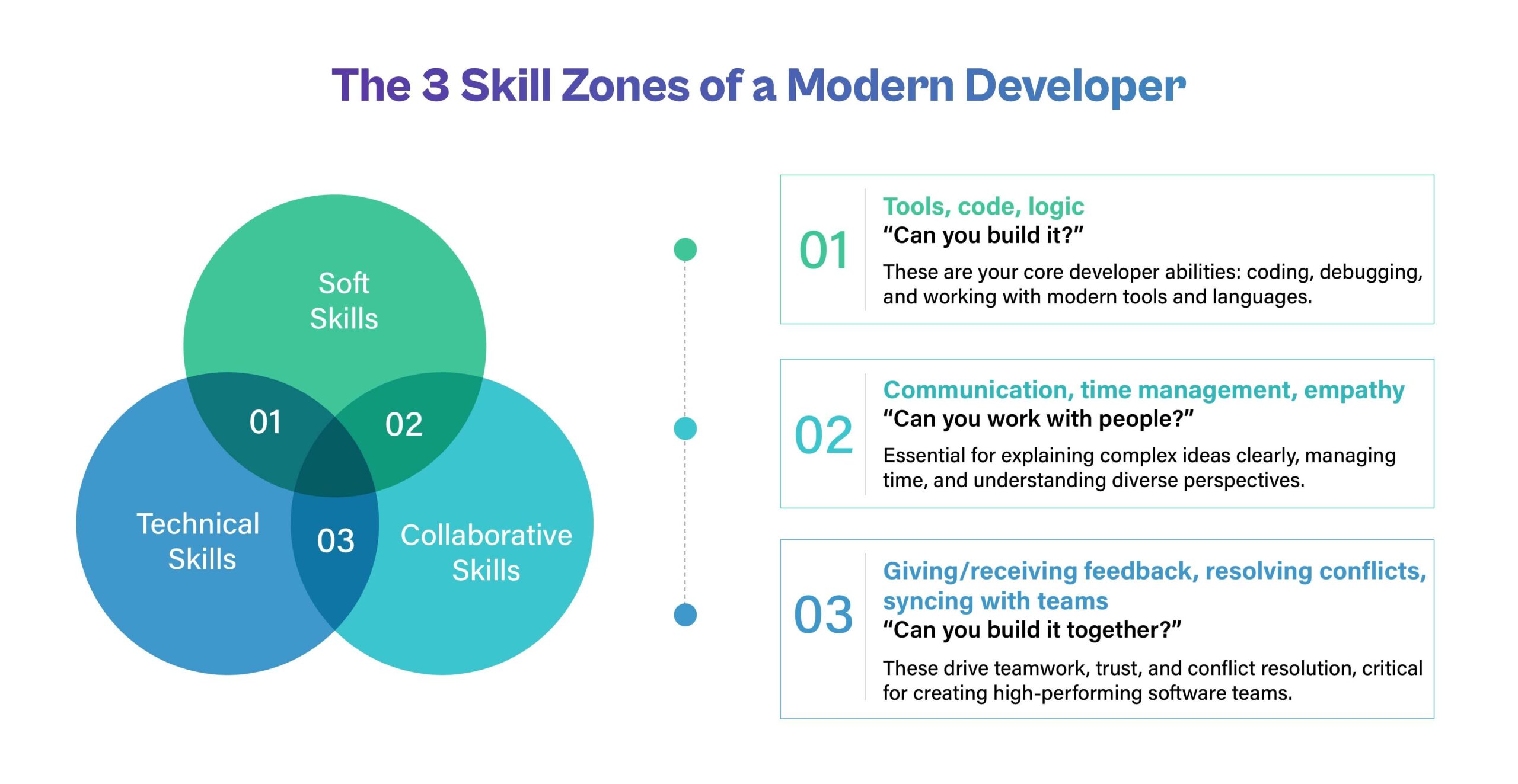
Aspiring Programme Managers in Education Technology must demonstrate a blend of technical expertise, strategic thinking, and interpersonal abilities. Here are the most sought-after skills for this position:
Technical and Digital Literacy
- Proficiency with Learning Management Systems (LMS), virtual classrooms, and collaboration platforms.
- Understanding of emerging technologies like AI, AR/VR, and data analytics in education.
- Ability to assess and integrate diverse edtech solutions.
Leadership and Communication
- Strong leadership skills to motivate multidepartmental teams.
- Excellent communication abilities for stakeholder management and reporting.
- Conflict resolution and negotiation skills to manage competing priorities.
Project and Programme Management
- Experiance with project management frameworks such as Agile and Waterfall.
- Ability to juggle multiple projects and prioritize effectively.
- Budgeting and resource allocation skills.
Change Management
- Expertise in leading change initiatives and managing resistance.
- Implementing effective training programs to support technology adoption.
Analytical and Problem-Solving
- Ability to analyze qualitative and quantitative data for continuous improvement.
- Critical thinking to address complex challenges in educational contexts.
Qualifications and Experience
- Bachelor’s or Master’s degree in education, Details Technology, Project Management, or a related field (preferred).
- Professional certifications such as PMP, PRINCE2, or Agile are advantageous.
- Prior experience in educational settings—K-12, higher education, or EdTech companies—is frequently enough required.
Benefits of a Career as a programme Manager – Education Technology
Embarking on a career as a Programme Manager in EdTech offers a range of rewarding benefits.Here are some advantages you can expect:
- Professional Growth: Exposure to advanced technologies, ongoing learning opportunities, and professional development.
- Impactful Work: Directly influence the quality of education and student outcomes.
- Competitive Salaries: EdTech roles typically offer competitive pay, with scope for progression.
- Leadership Opportunities: Lead transformative projects and inspire change within respected institutions.
- Networking: Build relationships with industry experts, vendors, and thought leaders in education and technology.
Practical Tips for Landing an EdTech Programme Manager Role
Ready to apply for a programme Manager – Education Technology position? Here are some actionable tips to stand out in your job search:
1. Customize Your Resume and Cover Letter
- Highlight relevant experience in educational technology, programme, or project management.
- Emphasize leadership roles, measurable achievements, and certifications.
- Use quantifiable results (e.g., “Implemented new LMS, resulting in 30% increased adoption”).
2. Showcase Your Digital Literacy
- List specific EdTech tools you’ve managed (Google Classroom, Canvas, Moodle, etc.).
- Demonstrate familiarity with data-driven decision-making.
3.Develop Change Management Skills
- Pursue training in change management methodologies.
- Gather examples of leading change, resolving resistance, and supporting staff through transitions.
4. Build a Professional Network
- Join educational technology associations or local EdTech groups.
- Attend webinars, workshops, and conferences to stay current.
- Connect with programme managers on professional platforms for insights and referrals.
5. Prepare for Interviews Thoroughly
- Research the institution’s current technology roadmap and pain points.
- Prepare examples of triumphant programme management and technology integration.
- Demonstrate strategic thinking and adaptability in real-world scenarios.
Future Trends in Education Technology Programme Management
The landscape of educational technology is continually evolving. Programme Managers must be proactive in adapting to these trends to drive successful outcomes. Key emerging areas include:
- Artificial Intelligence: Personalized learning experiences, predictive analytics for student performance.
- Remote and Hybrid Learning: Scalable solutions for virtual classrooms and learning adaptability.
- Cybersecurity: Ensuring student and institutional data privacy in digital platforms.
- Data-Driven Decision Making: Using advanced analytics to guide instructional and operational strategies.
- EdTech Partnerships: Collaborating with startups and established tech firms to bring innovative solutions to campus.
Staying ahead of these developments will position Programme Managers for continued success and relevance.
Conclusion: Succeeding as a Programme Manager in Education Technology
The role of a Programme Manager – Education Technology is both challenging and immensely rewarding. Universities, colleges, and schools need visionary leaders who can bridge the gap between innovation and education. Mastering the core responsibilities, honing the required skills, and adapting to digital trends will set you apart as a sought-after professional in this dynamic field.
If you’re ready to make a real impact in education, start by building your skills, networking, and targeting your applications to institutions committed to digital transformation. With the right planning and passion, you can lead technology programmes that shape the future of learning.
Explore this vibrant career path and be the catalyst for educational innovation in your next role as a Programme Manager – Education Technology!