
Program Manager – Education Technology: Key Roles, Skills, and Career Pathways Explained
As education technology continues to reshape the landscape of teaching and learning, the demand for skilled Programme Managers in Education Technology within universities, colleges, and schools is at an all-time high. If you are passionate about EdTech and aspire to lead transformative projects in academic institutions, understanding the responsibilities, skills, and pathways to this role is essential. In this comprehensive guide, we’ll dive deep into the world of Education Technology Programme Managers, offering practical insights for job seekers looking to embark on a rewarding career in this field.
What Dose a Programme Manager – Education technology Do?
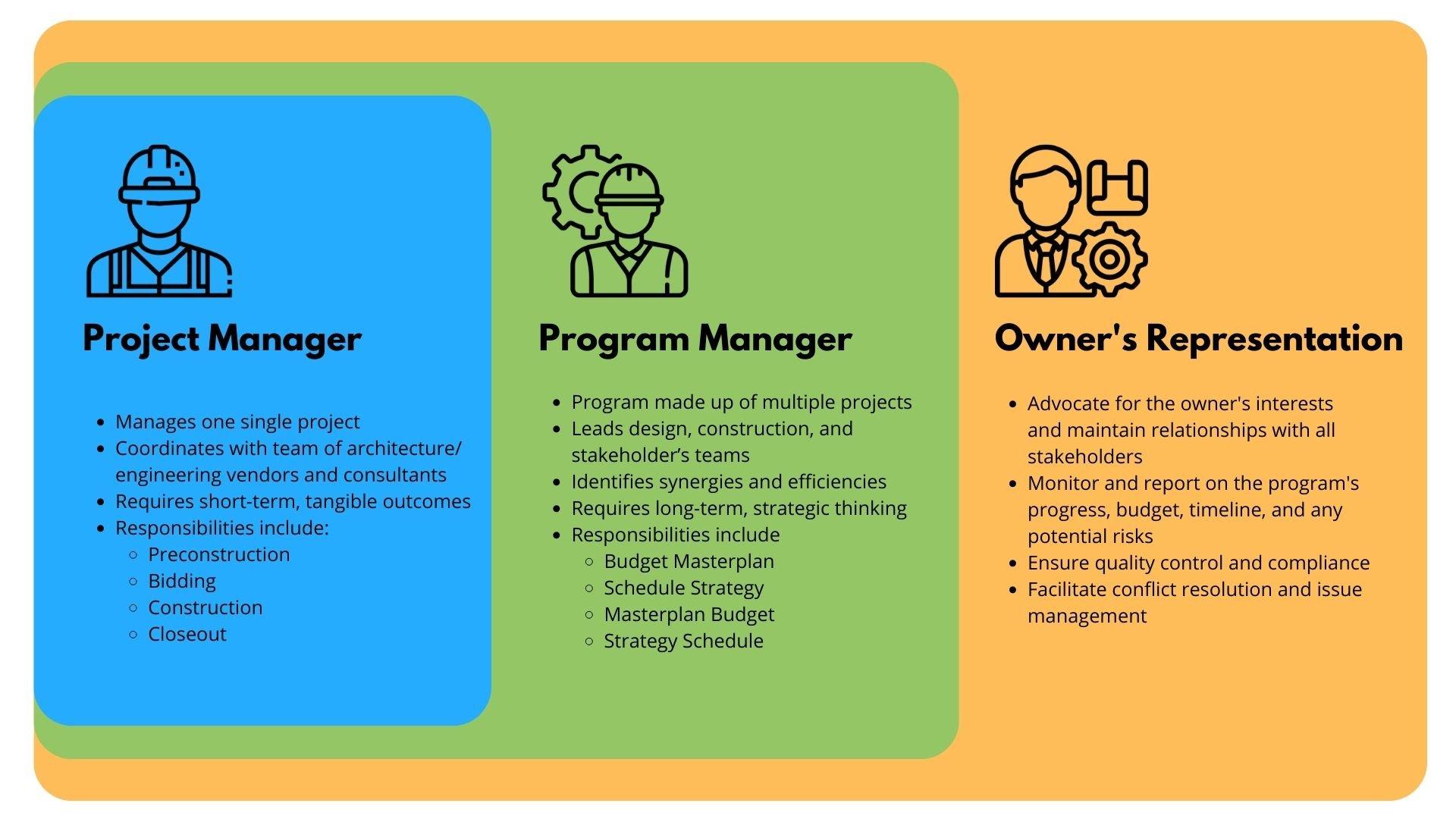
A Programme Manager – Education Technology (often called EdTech Programme Manager) acts as a bridge between educational objectives and technological innovation.Working in universities, colleges, or schools, they are responsible for planning, implementing, and overseeing technology-driven programs that enhance teaching, learning, and administrative processes.
- Lead the design and execution of large-scale EdTech initiatives
- Coordinate multi-departmental teams including IT, faculty, and management
- Evaluate and select educational software, platforms, and digital tools
- Ensure triumphant integration of technology into curricula and daily operations
- Manage budgets, timelines, and stakeholder communications
- monitor the impact of EdTech solutions and report on effectiveness
Programme Managers are pivotal in driving digital change in education, ensuring technology serves instructional and institutional goals.
Key Roles and Responsibilities
The Programme Manager – Education Technology role is dynamic and multi-faceted.some of the core responsibilities include:
1. Project Planning and Management
- Define project scopes, goals, and deliverables that support business objectives
- Create detailed project plans, schedules, and resource allocation models
- Mitigate risks and troubleshoot project roadblocks
2. Stakeholder Engagement
- Work with faculty, administrative staff, IT specialists, and students to identify technology needs
- Facilitate meetings, workshops, and training sessions
- Communicate updates, successes, and challenges transparently
3. Technology Implementation
- Research and recommend innovative EdTech solutions
- Oversee vendor relationships and procurement processes
- Ensure data security, privacy, and regulatory compliance
4. Monitoring and Evaluation
- Collect and analyze data to assess program effectiveness
- Prepare reports and presentations for senior leadership
- Iterate and improve technology initiatives based on feedback
Essential Skills and Qualifications for Programme Managers in Education Technology
Employers in higher education and schools seek Programme Managers who combine technical savvy, educational insight, and leadership prowess. Here are the key skills and qualifications frequently enough required:
- Project management Expertise: Experience with project management methodologies (e.g., Agile, PRINCE2) and tools (e.g., MS Project, Trello)
- Technical Knowledge: Understanding of learning management systems (LMS), digital assessment platforms, cloud computing, and emerging EdTech trends
- Educational Acumen: Familiarity with curriculum design, pedagogy, and academic objectives
- Leadership & Communication: Ability to motivate cross-functional teams and communicate effectively with diverse stakeholders
- Analytical Skills: Proficiency in data analysis to inform decisions and improve programme outcomes
- Budget management: Capable of managing financial aspects of multi-faceted projects
Typically, a bachelor’s degree in education, information technology, or a related discipline is required, with many organizations preferring candidates who hold a master’s degree in education, technology, or management. Professional certifications in project management (PMP,Prince2) or education technology can provide a competitive edge.
Career Pathways: How to Become a Programme Manager in Education Technology
Becoming a programme Manager – Education Technology usually involves a blend of academic qualifications and hands-on experience in both educational and technological contexts. here are common pathways:
- Start as a teacher, lecturer, or instructional designer with a strong interest in digital learning tools
- Progress into roles such as eLearning coordinator, EdTech project lead, or technology integration specialist
- Gain project management experience through certifications and real project involvement
- build expertise in leading cross-functional teams and managing complex stakeholder environments within educational institutions
Networking within the EdTech community and staying updated on industry developments further enhances career prospects.Many Programme Managers also participate in professional organizations or earn advanced degrees to deepen their expertise.
Benefits of working as a Programme Manager – Education Technology
Pursuing a career as a Programme Manager in Education Technology offers numerous advantages, including:
- Meaningful Impact: Influence how technology shapes learning for students and faculty alike
- Career Growth: Strong demand for EdTech leadership across educational sectors provides opportunities for advancement
- Continuous Learning: Stay at the forefront of educational innovations and digital transformation
- Diverse Work Habitat: Engage with educators, technologists, administrators, and vendors
- Competitive Compensation: Attractive salary packages and benefits, especially in higher education and leading schools
Practical Tips for Landing a Programme Manager – Education technology Role
- Tailor your resume: Highlight relevant project management and EdTech implementation experience.Quantify achievements where possible.
- Build a strong digital portfolio: Showcase past EdTech projects, case studies, or digital transformation initiatives you have driven.
- Stay current with industry trends: Frequent webinars, research publications, and participation in EdTech conferences can set you apart during interviews.
- Earn relevant certifications: Consider certifications in project management and educational technology to validate your skills.
- Develop leadership and soft skills: Communication, negotiation, and team management are as significant as technical know-how.
- Network strategically: Connect with EdTech professionals, join relevant groups, and seek informational interviews to understand what employers are looking for.
Challenges to Expect in the Role
while the role is rewarding,candidates should prepare for challenges such as:
- Keeping pace with rapidly evolving technology and changing educational needs
- Managing resistance to digital transformation among staff or faculty
- Balancing diverse stakeholder expectations and resource limitations
- Ensuring data security and regulatory compliance in educational settings
Resilience,adaptability,and a collaborative approach are key to thriving amid thes challenges.
Conclusion: Shaping the Future of Education with Technology
As a Programme Manager – Education Technology, you have the opportunity to play a pivotal role in transforming teaching and learning experiences at universities, colleges, and schools. This career path not only offers intellectual stimulation and job variety but also meaningful societal impact as you help deliver innovative, accessible, and effective education. By understanding the key roles, essential skills, and optimal career pathways outlined above, you can position yourself as a sought-after EdTech leader and make a lasting difference in the world of education.