
Programme Manager – education Technology: Key Skills, Roles, and Career Paths explained
Are you passionate about blending technology with education and looking for a rewarding career at a university, college, or school? Stepping into the role of a Programme Manager – Education Technology could be your ideal path. In this comprehensive guide, we’ll explore the core skills, daily responsibilities, career trajectories, benefits, and practical tips for landing a job in education technology programme management. Whether you’re aiming for higher education institutions or schools, this article is designed to empower you with vital knowledge and actionable advice.
What is a Programme Manager – Education Technology?
A Programme Manager – Education Technology—sometimes called EdTech Programme Manager—serves as the bridge between academic staff, IT departments, and administrative teams to deliver technology-driven projects that enhance teaching and learning experiences.this leadership role is crucial in universities, colleges, and schools, where digital transformation in education is accelerating rapidly. Programme Managers oversee the planning, implementation, and evaluation of educational technology initiatives, ensuring these projects align with institutional goals and student needs.
Key Responsibilities of a Programme Manager in Education Technology
Programme Managers in EdTech play a pivotal role in shaping the future of academic environments. Here are the principal duties involved:
- Strategy Progress: Designing and implementing institutional strategies for technology integration in teaching and learning.
- Project Oversight: Leading and managing complex projects such as Learning Management System (LMS) rollouts, digital content development, and blended learning programs.
- Stakeholder collaboration: Working closely with faculty, IT specialists, students, administrators, and external vendors to ensure project success.
- Budget Management: Handling budgets for EdTech projects, ensuring cost-effective use of resources.
- Change Management: Supporting the institution through technological transitions, including staff training and communication strategies.
- Policy development: Creating guidelines for technology use, data privacy, and digital accessibility.
- Quality Assurance: Monitoring implementation, gathering feedback, and continuously improving educational technology programmes.
Essential Skills for a Programme Manager – Education Technology
To succeed as a Programme Manager in Education Technology, you’ll need a robust mix of technical, managerial, and interpersonal abilities.Here’s a breakdown of key skills employers are seeking:
Technical Skills
- deep familiarity with Learning Management Systems (e.g., Moodle, Canvas, Blackboard)
- Understanding of emerging EdTech trends (AI, AR/VR in education, mobile learning, etc.)
- Data analysis and evaluation of educational technologies and digital platforms
- Knowledge of digital accessibility standards and data protection regulations
Project and Programme Management Skills
- Experience with project management methodologies (Agile, PRINCE2, PMP, etc.)
- Strong organizational and time management skills
- Resource allocation and risk management expertise
- Ability to handle multiple projects concurrently
Leadership and Communication Skills
- Excellent collaboration and team leadership abilities
- Negotiation and stakeholder management skills
- Training and coaching staff in technology adoption
- Clear documentation and presentation skills
Analytical and Problem-Solving Skills
- Ability to assess institutional needs and develop impactful solutions
- Critical thinking and decision-making under pressure
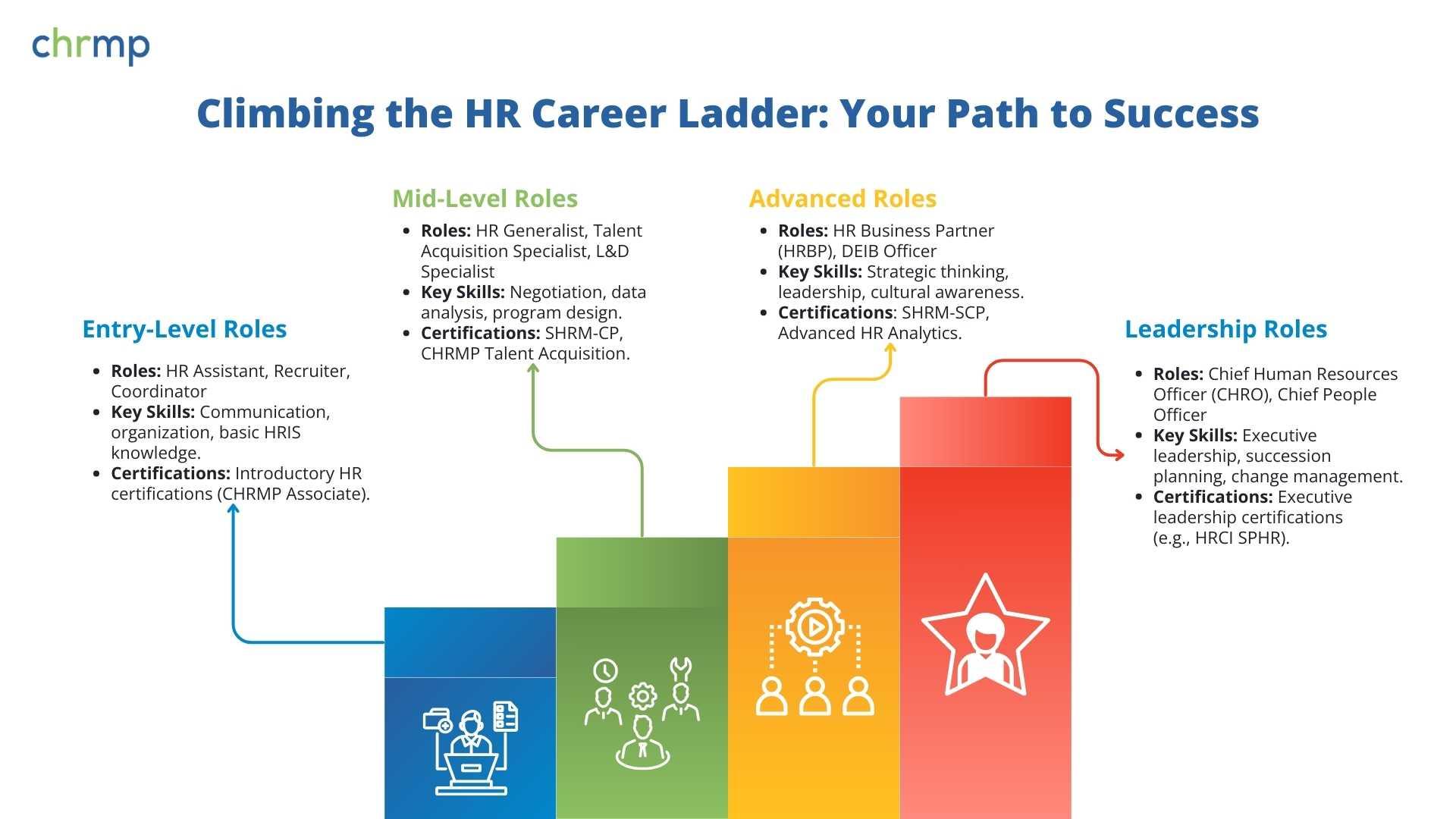
Typical Career Paths in Education Technology Programme Management
One of the exciting aspects of this role is the variety of career advancement opportunities available in different educational settings. Here are some common trajectories:
- EdTech Project manager: Working on specific technology projects before advancing to oversee broader initiatives.
- Programme Manager – Education Technology: Leading multi-year programme portfolios and managing wider institutional change.
- Head of Digital Learning / director of educational Technology: Senior leadership roles with strategic obligation for all digital teaching and learning within an institution.
- Consultancy or EdTech specialist Roles: Providing expertise to multiple organizations or moving into the educational technology industry.
- Chief information Officer (CIO) or Chief Technology Officer (CTO): Taking senior executive roles in technology-driven education leadership.
Progression often depends on professional development, certifications, and the scale of projects you lead.
Benefits of Working as a Programme Manager in Education Technology
Pursuing a career as a Programme Manager – Education Technology at a university, college, or school offers a range of unique benefits, including:
- Positive Impact: Empower educators and students by shaping how technology enhances learning and teaching.
- Professional Growth: Develop highly-transferable project leadership skills applicable to various sectors.
- High Demand: As educational institutions increase their digital investment, skilled programme managers are increasingly sought after.
- Innovation Opportunities: Work with cutting-edge technologies to drive academic innovation.
- Diverse Working Habitat: Collaborate with multidisciplinary teams in vibrant educational settings.
How to Become a Programme manager – Education Technology: Practical Tips
Interested in stepping into this dynamic role? Follow these actionable steps to build your career in education technology programme management:
1. Build Relevant Qualifications
- Hold a bachelor’s or master’s degree in education, information technology, management, or a related field.
- Professional certifications in project management (e.g., PMP, PRINCE2, Agile) are highly beneficial.
- Seek specialized training in educational technology tools and platforms.
2. Gain Hands-On Experience
- Start in roles such as e-learning coordinator, instructional designer, or IT project coordinator within educational settings.
- Participate in, or lead, technology projects like digital curriculum development or LMS deployment.
3. Develop a Strong Portfolio
- Document your work on EdTech projects, including case studies, metrics, and testimonials.
- Show evidence of stakeholder engagement and measurable project outcomes.
4. Network Within the Sector
- Join professional associations and attend EdTech conferences or webinars to stay current.
- Engage with online EdTech communities to build your professional profile.
5. Stay Informed on Trends
- Keep updated on the latest in educational technologies, teaching methodologies, and digital transformation strategies.
- Read thought leadership articles, reports, and case studies from respected sources in education technology.
Common Challenges and How to Overcome Them
While the role of an Education Technology Programme Manager is rewarding, it does come with challenges:
- Resistance to Change: overcome by providing comprehensive training, ongoing support, and clear communication.
- Budget Limitations: Manage resources creatively and demonstrate the value and return on investment (ROI) of EdTech initiatives.
- Keeping Up with Rapid Technological Change: Commit to lifelong learning and stay proactive in professional development.
Conclusion
The role of a Programme Manager – Education Technology is at the forefront of educational innovation in universities, colleges, and schools. With the right combination of strategic vision, technical proficiency, and strong leadership, you can drive meaningful change in how education is delivered and experienced. This career path not only offers professional growth and job satisfaction but also enables you to make a lasting contribution to the future of learning. If you’re passionate about education and digital transformation, now is the perfect time to pursue a rewarding journey as an EdTech programme Manager.