
Programme Manager in Education technology: Key Skills, Roles, and Career Path Guide
Are you passionate about driving positive change in education through technology? The role of a Programme Manager in education Technology is rapidly emerging as a vital position in universities, colleges, and schools nationwide. this comprehensive guide explores what it means to be a Programme Manager in this dynamic field, including the critical skills required, key responsibilities, career progression insights, and practical tips to help you step confidently into this rewarding profession.
What is a Programme Manager in Education Technology?
A Programme Manager in Education Technology serves as the strategic leader responsible for planning, implementing, and managing technology-driven educational initiatives within academic institutions. This professional bridges the gap between educators, technical teams, and stakeholders to ensure technology is effectively integrated to enhance teaching, learning, and administrative processes.
Key Roles and Responsibilities
The Programme Manager in Education Technology plays a multifaceted role, balancing project management with educational expertise. Here are some of the most important duties:
- Strategic Planning: Develop long-term vision and strategy for educational technology initiatives aligned with institutional goals.
- Project Implementation: Coordinate the rollout of new platforms,tools,or curricula including timelines,budgets,and resources.
- Stakeholder Communication: Act as a liaison between faculty, IT teams, administrators, and students to ensure all voices are heard.
- Training & Support: Organize workshops,webinars,and training sessions to upskill educators on new technologies.
- Quality Assurance: Monitor and evaluate the effectiveness of technology initiatives using data-driven methods.
- Change Management: Facilitate a smooth transition during technology adoption by addressing resistance and ensuring buy-in.
- Budget Oversight: Manage budgets for technology programmes, ensuring cost-effectiveness and sustainability.
- Compliance and Security: Ensure all technology practices comply with academic standards, data protection regulations, and privacy policies.
Essential Skills for Success
To excel as a Programme Manager in Education Technology, candidates should develop a balanced blend of technical, educational, and leadership skills. The following core competencies are highly sought after:
1. Project Management Skills
- Deep understanding of project management principles, agile methodologies, and best practices.
- Proficiency in tools like Asana, Trello, or Microsoft project for tracking progress and facilitating teamwork.
2. Communication and Interpersonal Skills
- remarkable written and verbal communication for engaging with diverse stakeholders.
- Ability to advocate for technology initiatives and manage discussions with various interest groups.
3. Educational Technology Expertise
- Knowledge of Learning Management Systems (LMS), e-learning platforms, classroom tools, and digital resources.
- Staying up-to-date with emerging technologies like AI in education,gamification,and blended learning models.
4. Leadership and Team-Building Abilities
- Demonstrated capability to lead cross-functional teams and motivate educators.
- Talent for building consensus and resolving conflicts.
5. Analytical and Problem-Solving Skills
- Ability to assess needs, gather and interpret data, and make informed decisions.
- Competence in evaluating programme effectiveness and troubleshooting challenges.
6. Budgeting and Resource management
- Experience with cost estimation, budget allocation, and financial tracking.
- Resourceful in making the most of available funding for impactful results.
Career Pathways and Progression
Careers as a Programme Manager in Education Technology typically begin with foundational experience in education, technology, or project management. Progression often involves the following stages:
- Early Career: Roles such as IT Coordinator, LMS Administrator, or Instructional Designer provide hands-on experience.
- Mid Career: Advancement to positions like Project Manager, Curriculum Developer, or Technology Integration Specialist.
- Senior Roles: programme Manager, Head of Digital Learning, Director of Educational Technology, or Chief Facts Officer.
Programme Managers may also move horizontally into consultancy, professional progress, or edtech startups, leveraging their expertise to impact broader educational ecosystems.
Benefits of Becoming a Programme Manager in Education Technology
Pursuing a career in education technology programme management comes with a variety of unique rewards:
- High Impact: Directly contribute to innovative learning experiences and improved educational outcomes.
- Professional Growth: Opportunities to build leadership abilities, gain technological expertise, and expand your professional network.
- Dynamic Work Environment: engage with emerging technologies, evolving pedagogical strategies, and diverse teams.
- Competitive Compensation: Attractive salary packages, especially at senior levels in leading academic institutions.
- Job Security: Continued demand for technology integration in education ensures strong career prospects.
Practical Tips for Aspiring Programme Managers in Education Technology
If you are aiming to secure a Programme Manager position in Education Technology at a university, college, or school, consider the following strategies to stand out:
- Pursue Relevant Qualifications: Consider postgraduate degrees or certifications in project management, educational technology, or related fields.
- Gain Hands-On Experience: Volunteer for technology-oriented projects, participate in digital learning implementations, or shadow current Programme Managers.
- Stay Informed: Follow education technology trends by subscribing to industry newsletters, attending webinars, and joining professional associations.
- Build a Robust Portfolio: Document your involvement in technology projects,demonstrating your impact,problem-solving skills,and leadership ability.
- Network Proactively: Connect with professionals in academic technology management for advice, mentorship, and potential job leads.
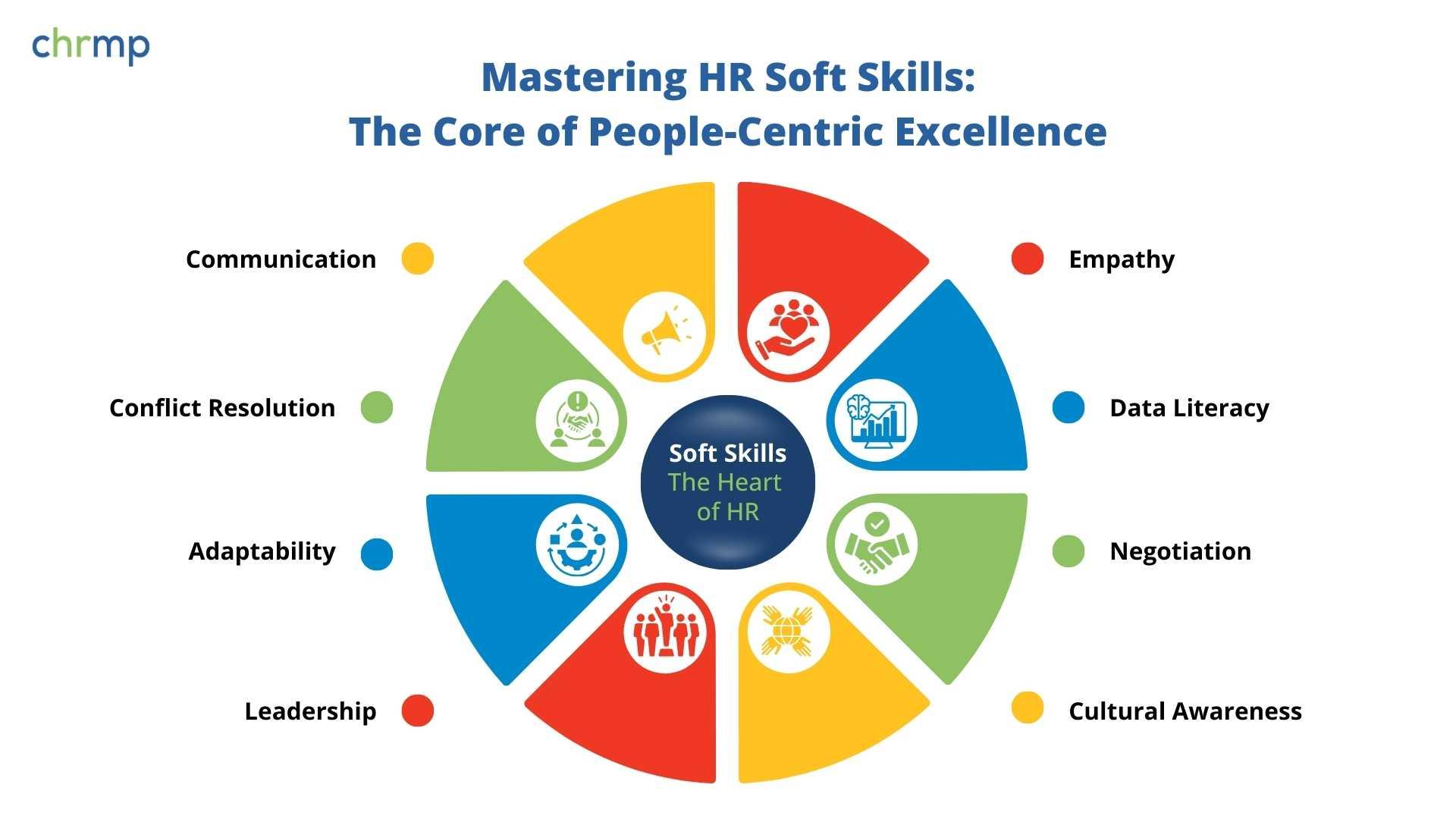
- Emphasize Soft Skills: Highlight your ability to communicate, lead teams, and manage change – these are just as important as technical expertise.
Typical Employers and Work Settings
Programme Managers in Education Technology are in demand in a variety of academic environments, including:
- Universities and Colleges: Overseeing large-scale digital learning transformation and advancing technology strategies institution-wide.
- Schools (K-12): Driving technology integration at district or school level and supporting teachers directly.
- Online Education Providers: Managing remote learning platforms and course technology development.
- Edtech Vendors: Collaborating with academic institutions to roll out innovative educational products.
How to Prepare for Interviews and Applications
Preparation is key when applying for Programme Manager jobs in education technology. Consider these steps:
- Research the Institution: Understand their technology landscape, values, and recent initiatives.
- Tailor Your Resume: Focus on relevant experience and achievements, especially those that demonstrate measurable results.
- Prepare for Behavioral Questions: Think of examples where you led a team, managed change, or solved challenging problems.
- Showcase Technical and Educational Knowledge: Demonstrate familiarity with the institution’s platforms and pedagogical trends.
- Express Your vision: Be ready to share strategic ideas for technology advancement that align with institutional goals.
Conclusion
The role of Programme Manager in Education Technology is at the heart of academic transformation, blending leadership, innovation, and technical prowess. Whether you’re just starting your career or looking to move up the ladder, the path offers ample chance for personal fulfillment and professional impact. With strategic preparation and a passion for technology-driven change, you can thrive in this exciting and influential field. If you’re ready to make a difference in how education is delivered, now is the perfect time to pursue a Programme Manager position in Education Technology at a university, college, or school.