
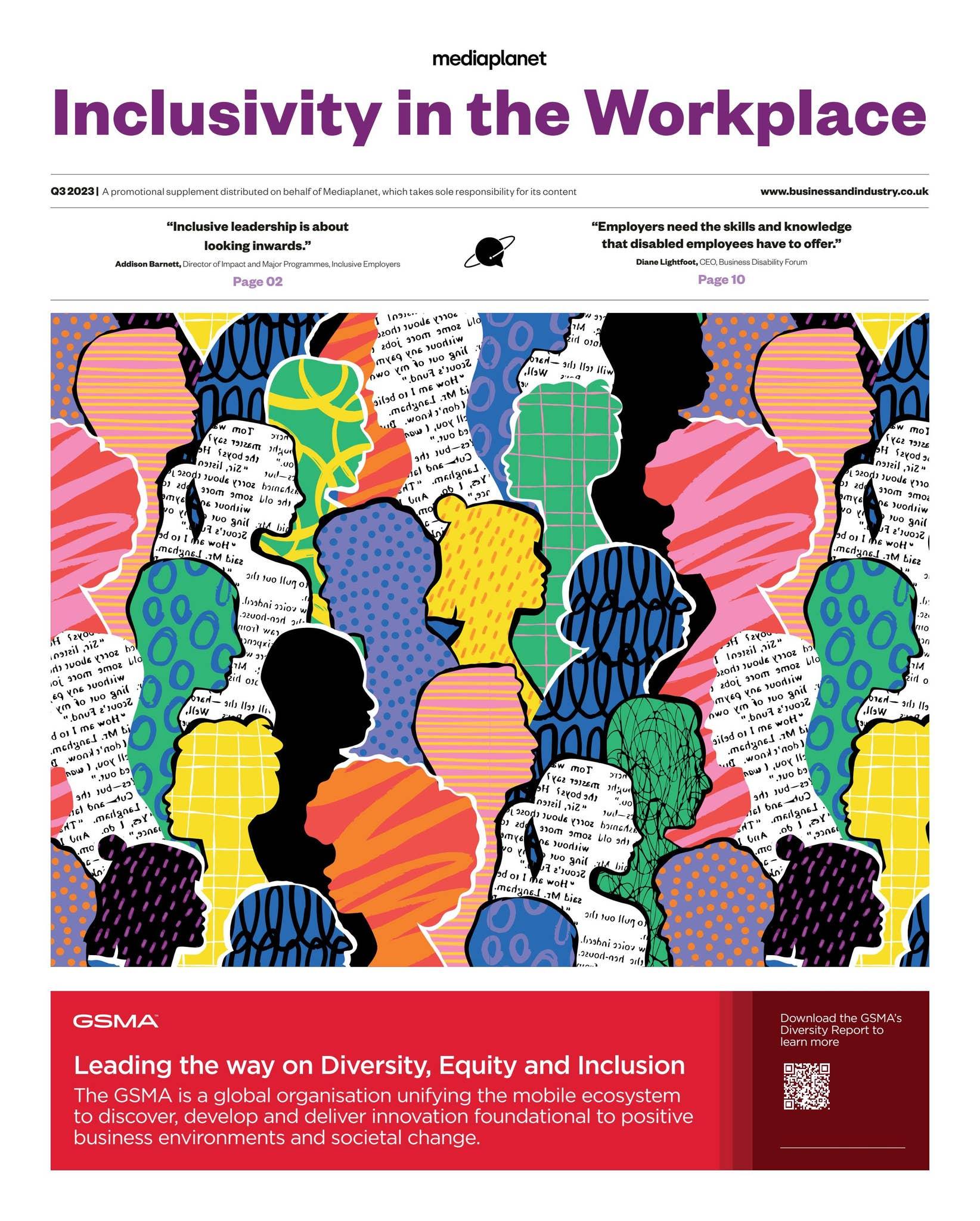
Proven Inclusion Strategies: Inspiring Case Studies of Workplace Success
in today’s diverse workforce, inclusion strategies are more then buzzwords; they are essential drivers of innovation, productivity, and business success. Organizations embracing workplace diversity and proven inclusion strategies consistently outperform their peers with higher employee satisfaction, better retention rates, and enhanced creativity. This article explores real-world case studies of inclusion in action, highlights the numerous benefits of inclusive workplaces, and provides actionable tips for implementing effective inclusion initiatives.
Why Inclusive Workplaces Matter: Key Benefits
Investing in proven inclusion strategies brings transformative change to companies. Here are the core benefits of workplace inclusion:
- Improved Innovation and Creativity: Diverse teams generate broader perspectives and innovative ideas, driving business growth.
- Higher Employee Engagement: Inclusive companies see increased job satisfaction and loyalty, leading to greater productivity.
- Stronger Employer Branding: Companies recognized for their inclusion and diversity attract top talent and foster brand loyalty among customers.
- Better Decision-Making: workplaces with inclusion strategies benefit from well-rounded decision-making processes.
- Reduced Turnover: Engaged employees in inclusive environments are less likely to seek employment elsewhere.
Core elements of Proven Inclusion Strategies
Effective inclusion in the workplace is built on foundational strategies that foster belonging and equity. Some of the most impactful approaches include:
1. Commitment from Leadership
Executives and management must set the tone by prioritizing diversity, equity, and inclusion (DEI) objectives and modeling inclusive behaviors.
2.Ongoing Education and Awareness
Providing regular diversity and anti-bias training helps raise awareness, address unconscious biases, and foster understanding across teams.
3. Inclusive Recruitment and Advancement
Implementing structured hiring processes, blind resume reviews, and proactive mentorship programs opens doors for underrepresented talent.
4. Employee Resource Groups (ERGs)
ERGs offer safe spaces for employees from similar backgrounds or interests to connect, share experiences, and drive company-wide inclusion initiatives.
5. Flexible Work Arrangements
Supporting remote work, flexible hours, and accommodations for disabilities enables broader participation and inclusion.
Inspiring Case Studies of Workplace Inclusion Success
Below are real-world examples of organizations that have excelled through their inclusive workplace strategies.
case Study 1: Microsoft – Disability Inclusion at the Core
Microsoft leads by example with its disability inclusion initiatives, such as the Ability hiring Program. This program offers tailored interview processes and onboarding for neurodiverse candidates. The company also produces accessible products and cultivates Employee Resource Groups (ERGs) for people with disabilities.
- Impact: Improved innovation from diverse perspectives. Employees report feeling valued and empowered.
- Key Strategy: Inclusive recruitment and workplace adjustments based on employee needs.
Case Study 2: Salesforce – Championing Gender equality
Salesforce has prioritized workplace gender equality through consistent pay audits, equal opportunity policies, and Women’s network ERGs.The company also offers generous parental leave and return-to-work programs.
- Impact: Reached near-parity in gender portrayal at several organizational levels. Increased employee engagement and positive glassdoor reviews.
- Key Strategy: Data-driven advocacy, regular impact measurement, and obvious communication.
Case Study 3: Accenture – LGBTQ+ Employee Support
Accenture actively promotes inclusion for its LGBTQ+ employees. The company has received recognition in the Human Rights Campaign’s “Best Places to Work for LGBTQ+ Equality” due to gender-neutral bathrooms, inclusive benefits, and specialized ERG support.
- Impact: High retention rates among LGBTQ+ staff, market reputation as a DEI leader, and attraction of diverse talent.
- Key Strategy: Holistic approach with policy changes, training, and targeted employee support networks.
Case study 4: Sodexo – Global Diversity and Inclusion councils
Sodexo, a multinational services company, established Global Diversity and Inclusion Councils to ensure accountability across regions. The councils support women, veterans, racial minorities, and persons with disabilities, aligning local practices with global DEI strategy.
- Impact: Greater global employee satisfaction, improved client outcomes due to cultural competence, and recognition in DEI rankings.
- Key Strategy: Localized ERGs and global leadership support for continuous improvement.
First-hand Experiences: Voices from the Workplace
“When my company began actively celebrating cultural heritage months and supporting Employee Resource Groups, I finally felt seen. These programs sparked dialog and forged trust among colleagues from vastly different backgrounds.”
– Employee at a leading tech company
Direct employee feedback consistently highlights the value of initiatives like mentorship programs,ERGs,and inclusive leadership workshops in building a sense of community and psychological safety in the workplace.
Practical Tips: How to Implement Proven Inclusion Strategies
Looking to create your own success story? Here are practical, actionable tips for integrating inclusion into your company culture:
- Audit Current Policies: Identify and address hidden biases in existing procedures, from hiring to promotions.
- Set Measurable Goals: Use data to establish benchmarks for diversity in hiring, representation, pay equity, and engagement.
- Empower Employees: Support the formation of ERGs and provide platforms for underrepresented voices to share feedback.
- Update Benefits: Offer inclusive benefits like mental health support, disability accommodations, and generous family leave.
- Communicate Transparently: Share progress, challenges, and wins regularly to keep inclusion at the forefront.
- Champion Inclusive Language: Use and encourage language that respects every colleague’s identity and experiences.
- Invest in Continuous Training: Regular DEI workshops and anti-bias training should be part of your company’s DNA.
- Celebrate diversity: Acknowledge and honor cultural events,observances,and differences throughout the year.
The Role of Leadership in Fostering Inclusion
Accomplished inclusion strategies begin with leadership commitment. Leaders must:
- Publicly support DEI objectives and personally model inclusive behaviors.
- Involve themselves in ERGs, mentorship, and feedback sessions.
- Allocate resources—both budget and time—to support DEI initiatives.
- Hold themselves and teams accountable for continuous improvement.
When executives lead inclusively, organizations see sustainable change throughout every department and level.
Conclusion: Creating a Culture of Lasting Inclusion
Embracing proven inclusion strategies transforms workplaces into innovative, resilient, and attractive environments for talent from all backgrounds.the inspiring case studies shared above showcase what’s possible when inclusion becomes an authentic, ongoing priority.
By committing to diverse recruitment, empowering ERGs, supporting flexible arrangements, and fostering open dialogue, your organization can become a beacon of workplace inclusion.Start your DEI journey with small,tangible steps and grow towards large-scale,lasting cultural change.
for more insights on advancing diversity and inclusion in the workplace, subscribe to our newsletter and join a community of organizations truly empowering their teams for a brighter, more equitable future.