
QA Engineer in EdTech: Key Roles,Skills,and Career Insights
Are you passionate about educational technology and quality assurance? Do you dream of improving digital learning experiences at universities,colleges,or schools? If so,a career as a QA Engineer in EdTech might be the perfect fit for you. In this comprehensive guide, we’ll delve into the essential roles, vital skills, practical benefits, and career insights for aspiring Quality Assurance engineers in the educational technology sector. Whether you’re starting your journey or looking to transition into EdTech from another industry, this article equips you with all the knowledge you need to succeed.
What is a QA Engineer in EdTech?
A QA Engineer in EdTech (Educational Technology Quality Assurance engineer) is a professional responsible for ensuring that educational software,learning management systems,and digital tools used in universities,colleges,or schools meet the highest standards of quality,performance,and usability. QA Engineers play a crucial role in shaping the learning experiences of students and educators by identifying and resolving software issues before they reach the classroom.
Core Responsibilities of a QA Engineer in EdTech
QA Engineers in educational technology have a versatile and impactful role. Here are the key responsibilities you can expect in this position:
- Requirement Analysis: Collaborating with teachers, instructional designers, and developers to understand functional and non-functional requirements of EdTech products.
- Test planning and Case Development: Creating detailed test plans and test cases tailored for educational applications, ensuring all learning modules and features are rigorously checked.
- Manual and Automated Testing: Executing both manual and automated tests to validate software quality, accessibility, and compatibility across devices commonly used in classrooms.
- Bug Identification and Reporting: Spotting, documenting, and communicating defects, usability issues, or integration problems to the development team for swift resolution.
- Regression Testing: Conducting regular regression testing to ensure new updates do not affect existing functionalities, crucial in dynamic EdTech environments where updates are frequent.
- User Acceptance Testing (UAT): Coordinating with end-users, such as educators and students, to validate EdTech tools in real-world educational settings.
- Compliance and Standards Verification: Ensuring software complies with education standards, privacy regulations, and accessibility guidelines (such as WCAG and FERPA).
- Performance and Security Testing: Ensuring the software scales to large classroom environments and protects sensitive student data.
- Continuous Improvement: Providing actionable feedback and insights to enhance product design and functionality for an optimal learning experience.
Essential Skills for QA Engineers in Education Technology
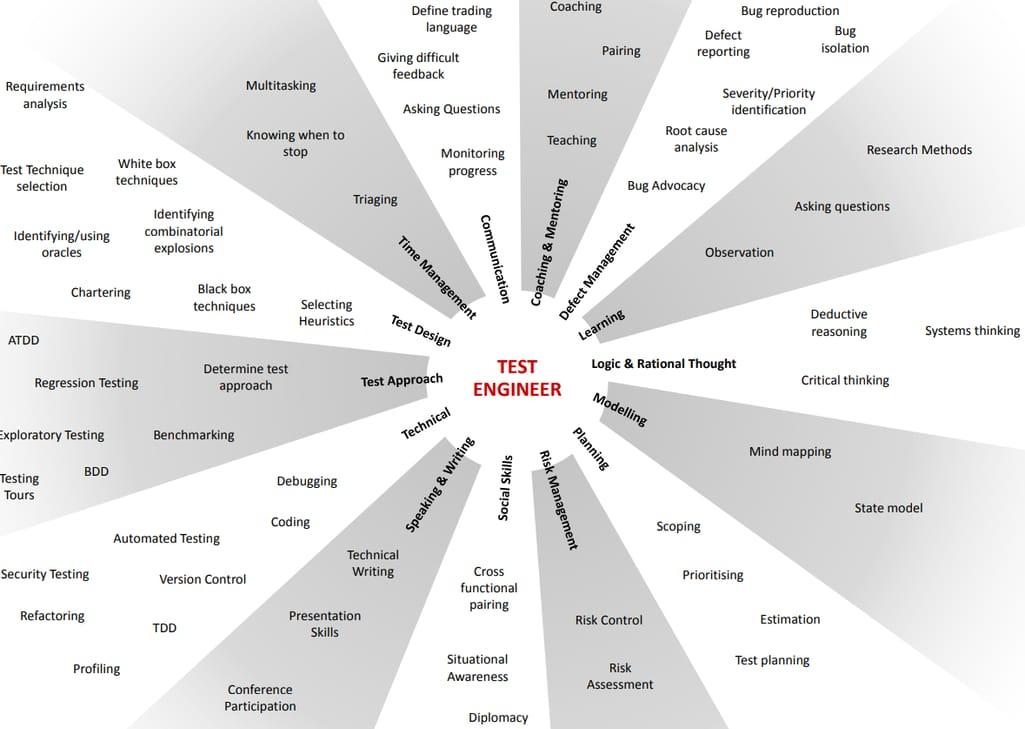
To excel as a QA Engineer in higher education or K-12 EdTech, you should develop a mix of technical and soft skills:
Technical Skills
- Software Testing: Proficiency in manual and automated testing methodologies.
- Testing Tools: Experience with tools like Selenium, JMeter, TestRail, or postman.
- programming Knowledge: Working knowledge of programming/scripting languages (such as python, Java, or JavaScript) for writing test scripts.
- Bug Tracking Systems: Familiarity with Jira, Bugzilla, or similar defect tracking platforms.
- API Testing: Understanding RESTful APIs and conducting API tests for modern EdTech platforms.
- Continuous Integration: Experience with CI/CD pipelines to streamline testing and deployment in Agile environments.
- Cross-Platform Testing: Ability to test web, mobile, and integrated hardware solutions commonly adopted by schools and universities.
Soft Skills
- Analytical Thinking: Keen attention to detail to uncover hidden issues in complex educational workflows.
- Communication: Ability to clearly document and articulate defects, suggestions, and test results to developers, project managers, and educational stakeholders.
- Collaboration: Working efficiently in cross-functional teams with educators,instructional designers,developers,and IT staff.
- Problem-Solving: Creative approaches to diagnosing and resolving bugs or software challenges that may impact the learning environment.
- Adaptability: Flexibility to keep pace with rapidly evolving technology and education standards.
- User Advocacy: an understanding of user experience (UX), with a special emphasis on student needs and accessibility issues.
Education and Certifications
While not always mandatory, certain educational backgrounds and certifications can boost your credibility and opportunities as a QA Engineer in education technology:
- educational Background: Degree in Computer Science, Data Technology, Education technology, or related field.
- certifications: ISTQB Certified Tester, Certified Agile Tester, or certifications in specific testing tools.
- EdTech Familiarity: Understanding of common learning management systems (LMS), digital classrooms, and virtual assessment platforms.
Benefits of Working as a QA Engineer in EdTech
choosing a career as a QA Engineer in universities, colleges, or schools comes with several unique advantages:
- Impactful Work: Contribute directly to enhancing the learning experience of students and educators, helping shape the future of education.
- Job Stability: With the continuous growth of digital education, demand for skilled QA Engineers in EdTech institutions remains strong.
- Professional Growth: Opportunities to upskill in areas like automation,cloud technologies,and educational data analytics.
- Mission-Driven Environment: Work in roles that align with meaningful missions, such as improving access to quality education and bridging digital divides.
- Collaboration with Diverse Teams: Engage with educators, IT professionals, and curriculum experts in dynamic educational settings.
- Remote and Flexible Work Options: Many universities and educational organizations offer hybrid or fully remote positions.
Career Pathways and Growth Opportunities
Pursuing a QA Engineer role in EdTech opens doors to diverse career paths. Here’s how you can progress:
- Senior QA Engineer: After gaining experience, move into more complex projects and mentor junior QA team members.
- QA Lead or Manager: Oversee QA teams, establish testing strategies, and liaise with cross-functional leadership in your institution.
- Automation Specialist: Specialize in automated testing frameworks tailored for educational software platforms.
- Product quality Manager: Lead quality assurance for larger EdTech initiatives or school-wide technology rollouts.
- EdTech Solution Architect or Consultant: transition to advising on best practices and integration of QA methodologies in educational technology procurement or implementations.
Practical Tips for Getting hired as a QA Engineer in EdTech
Landing your dream QA job at a university, college, or school’s EdTech department takes persistence and readiness. Here are some actionable tips:
- Research your Target Institutions: Learn about their current edtech platforms, digital learning tools, and ongoing technology initiatives.
- Build a Strong portfolio: showcase your testing work, particularly involving LMS platforms, educational apps, or open-source EdTech projects.
- learn About Accessibility Standards: Institutions value QA engineers educated in accessible design and compliance (e.g., Section 508, WCAG).
- highlight Communication Skills: Emphasize your ability to document and present issues in simple, solution-oriented language suitable for non-technical educators.
- Be Ready for Technical Assessments: Practise coding challenges, test case writing, and bug reporting simulations.
- Stay Current: Subscribe to EdTech and QA industry news to stay informed on the latest tools and trends shaping the digital education landscape.
- Network in EdTech Circles: Participate in education technology conferences, webinars, and local meetups to connect with hiring managers and professionals in the field.
Conclusion
Pursuing a role as a QA Engineer in EdTech offers a unique opportunity to combine your technical know-how with a passion for advancing education. Universities, colleges, and schools are actively seeking quality-focused professionals who can ensure their digital platforms deliver reliable, accessible, and secure experiences for students and educators alike.
If you’re ready to embark on this rewarding career path, bolster your skills, showcase your QA expertise, and connect with hiring teams in academia. Your efforts will not only pave the way for personal success but also make a meaningful difference in the evolving world of education technology.