
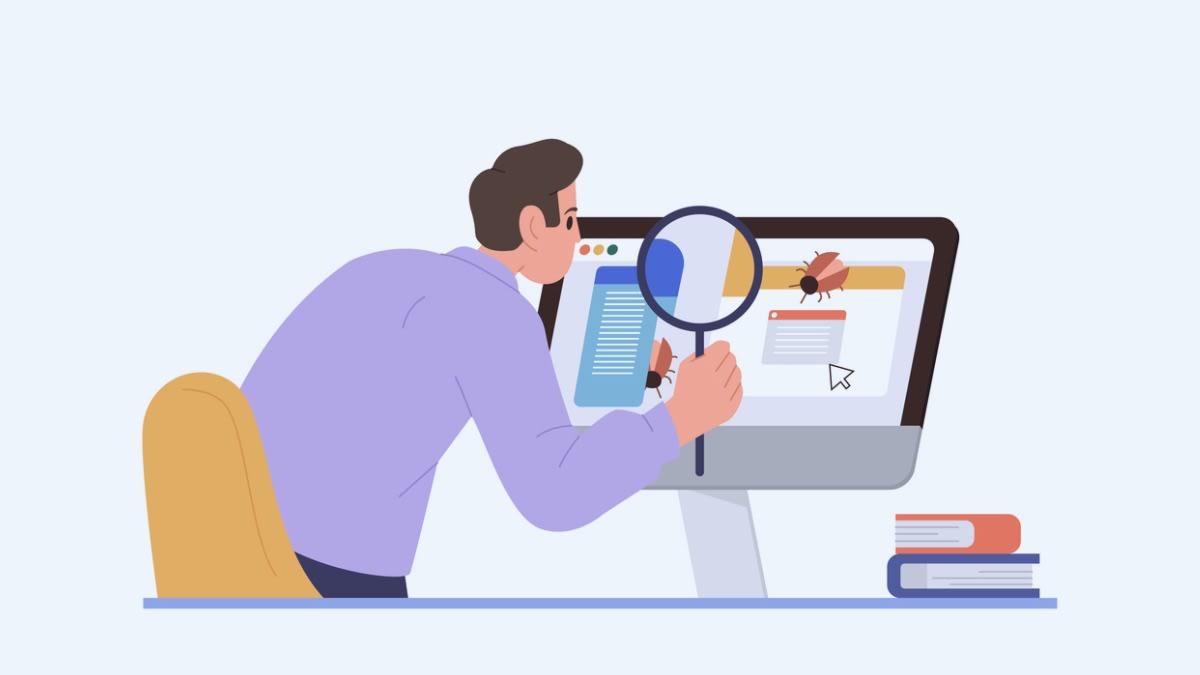
QA Engineer in EdTech: Key Roles, Skills & Career Opportunities
Are you passionate about education technology and interested in shaping the future of learning at universities, colleges, or K-12 schools? If so, a career as a QA Engineer in EdTech could be your ideal path. The role combines the rigors of software quality assurance with the rewarding aim of enhancing education delivery. This complete article explores everything you need to know about this role — from the key responsibilities and essential skills to the benefits and career opportunities within EdTech environments.
Introduction to QA Engineering in EdTech
As technology increasingly transforms how institutions teach, test, and engage with learners, ensuring the quality of educational software and platforms is more vital than ever. Quality Assurance Engineers (QA Engineers) ensure EdTech solutions are functional, reliable, and deliver superior learning experiences. Whether it’s an online course platform,digital library,learning management system (LMS),or assessment tool,these professionals play a critical role in the product advancement lifecycle at universities,colleges,and schools.
What Does a QA Engineer in EdTech Do?
A QA Engineer in EdTech focuses on testing and validating educational software to meet high standards of usability, accessibility, and performance. Here are the key responsibilities typically associated with the role:
- Manual and Automated Testing: Designing and executing test cases, both manually and using automated tools, to identify bugs and functional issues.
- Requirement Analysis: Collaborating with developers, instructional designers, and educators to understand product requirements and user expectations.
- Bug Reporting & tracking: Documenting defects clearly, helping prioritize fixes, and verifying resolutions.
- Performance and Security Testing: ensuring that learning tools perform efficiently, especially under heavy student usage, and that user data is secure and compliant with educational privacy standards.
- Accessibility Verification: Testing digital content and platforms for compliance with accessibility standards (like WCAG), ensuring inclusive education for all students.
- Continuous integration/Continuous Deployment (CI/CD) Support: Assisting with building pipelines that foster seamless development and deployment cycles for EdTech products.
- User Experience (UX) Testing: Evaluating the ease of use,intuitiveness,and overall learner journey within educational applications.
in sum, QA Engineers in education technology help guarantee not onyl a bug-free platform but also a smooth, effective, and inclusive learning experience.
Essential Skills for QA Engineers in EdTech
To thrive as a QA Engineer in EdTech at a university, college, or school, you’ll need a blend of technical aptitude, educational awareness, and soft skills. Key skills include:
Technical Skills
- Proficiency in Testing Tools: Experience with tools like Selenium, JIRA, testrail, Postman, or similar automated/manual testing platforms.
- Programming knowledge: Familiarity with languages such as Python, Java, or JavaScript helps in creating automated test scripts.
- Understanding of Software Development Life Cycle (SDLC): Know how agile, waterfall, or hybrid development methodologies impact QA activities.
- API Testing: Ability to validate the functionality of backend APIs crucial for integrated EdTech products.
- Performance and Load Testing: Using tools like JMeter or LoadRunner to assess how applications perform under stress, especially during peak usage (e.g., online exams).
- Security Awareness: Knowledge about securing student data and complying with privacy standards such as FERPA, GDPR, or COPPA.
domain-Specific Knowledge
- Education Technology Trends: Awareness of the latest EdTech developments, standards (SCORM, xAPI), and terminology.
- Pedagogical Sensitivity: Understanding how software impacts teaching and student engagement processes.
Soft Skills
- Attention to Detail: Catching subtle software issues that may impact teaching or learning.
- Analytical Thinking: Breaking down complex problems and identifying root causes efficiently.
- Interaction: Explaining bugs and testing results clearly to developers and non-technical stakeholders,such as instructors or administrators.
- Collaboration: Working seamlessly with cross-disciplinary teams.
Why Pursue a QA Engineering Career in EdTech?
Choosing a QA Engineer career in EdTech offers unique rewards and impactful work. Here are some key benefits:
- Purpose-Driven Work: Directly contribute to improving education quality and accessibility for diverse learners.
- Stability and Growth: Universities, colleges, and schools are increasingly adopting digital solutions, creating a steady demand for QA professionals with EdTech expertise.
- Cutting-Edge Technology: Work on innovative tools such as AI-based assessment platforms, adaptive learning systems, or gamified educational apps.
- Collaboration with Educators: Enjoy unique opportunities to interact with teachers, students, and academic staff.
- Professional Development: Continuous learning as educational standards and technology evolve.
Career Opportunities for QA Engineers in EdTech
The education technology sector is rapidly expanding, and academic institutions need QA Engineers to oversee various platforms and tools. Common opportunities include:
- K-12 Schools: Ensuring quality in classroom management apps,digital textbooks,and parent-teacher communication tools.
- Colleges and Universities: Focusing on online learning management systems, student information systems, assessment platforms, and collaborative research tools.
- EdTech Startups: Innovating new products for both academic and lifelong learning markets.
- Government and Non-Profits: Working on public educational platforms or non-profit initiatives promoting digital learning accessibility.
- Remote and Global roles: With digital education, many QA Engineer positions are open to remote applicants, broadening your opportunities worldwide.
Possible Career Paths
- Manual QA Tester in EdTech
- Automation QA Engineer
- QA Lead or Test Manager
- Product Quality Analyst
- QA Specialist in Accessibility
- DevOps Engineer (with QA focus)
- EdTech Product Consultant (with QA background)
Practical Tips for Landing a QA Engineer Job in EdTech
If you’re eager to become a QA Engineer in EdTech, here are actionable steps to boost your employability:
- Build Domain Knowledge: Familiarize yourself with popular EdTech systems (e.g., Moodle, Canvas, Blackboard) and standards (SCORM, xAPI).
- Develop Technical Expertise: Master modern testing frameworks,scripting languages,and automation pipelines.
- Showcase Relevant Experience: Highlight any academic projects, internships, or freelance QA work within educational or e-learning platforms on your CV and portfolio.
- Certifications Help: Earning certifications such as ISTQB, Certified Software Tester (CSTE), or even EdTech-specific certificates can set you apart.
- Network in the EdTech Community: Attend virtual meetups, webinars, or online communities focused on both EdTech and QA to stay updated and connect with hiring managers.
- Demonstrate Accessibility Testing: Show your experience with accessibility standards like WCAG or Section 508, which is highly valued by educational institutions.
- Prepare for Behavioral Interviews: Be ready to discuss challenges unique to educational environments, such as testing during live semesters or handling data privacy concerns.
Key Trends Shaping the QA Engineer Role in EdTech
Staying ahead in the EdTech space means understanding key industry trends impacting the QA profession:
- Artificial Intelligence (AI) & Machine Learning: More platforms utilize adaptive features and predictive analytics, requiring tailored testing approaches and automated quality checks.
- Mobile-Frist Learning: Testing on multiple devices and operating systems is crucial, as students increasingly access content via smartphones and tablets.
- Gamification & AR/VR: QA Engineers will test interactive, immersive educational experiences for bugs and user engagement.
- Data Security & Privacy: Ensuring robust encryption and regulatory compliance is non-negotiable in handling student data.
- Cloud-Based Solutions: Familiarity with cloud environments like AWS, Azure, or google Cloud will bolster your relevance in the edtech QA market.
Conclusion
A QA Engineer job in edtech offers the perfect blend of technical challenge and societal impact. By ensuring that universities, colleges, and schools deploy reliable, accessible, and secure digital learning platforms, you play a basic role in modern education. whether you’re an aspiring tester or an experienced QA professional,specializing in EdTech can lead to a highly rewarding and future-proof career path.
Pursue new opportunities, hone your skills, and contribute to transforming education for learners everywhere. Your journey as a QA Engineer in EdTech starts now!