
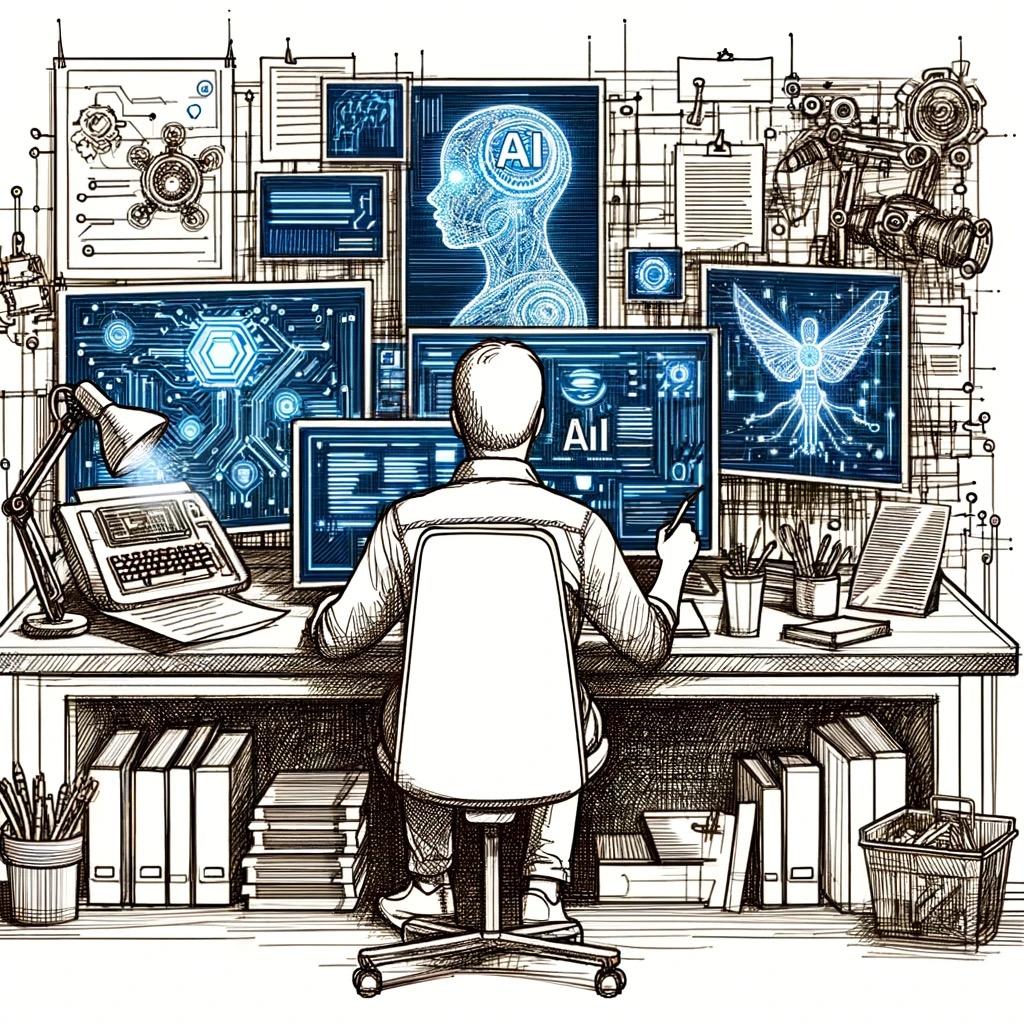
QA Engineer in EdTech: Key Skills,Roles,and Career Insights for 2024
Are you passionate about both technology and education? The role of a QA Engineer in EdTech is one of the most promising and impactful careers available for job seekers aiming to shape the future of digital learning at universities,colleges,or schools. As educational institutions embrace technology to enhance learning outcomes, the demand for skilled QA professionals who can ensure high standards of software quality is growing rapidly in 2024.Whether you’re an aspiring QA specialist or considering a transition into education technology, this guide covers everything you need to succeed—from key skills and responsibilities to practical tips and career trends.
understanding the Role: What Does a QA Engineer in EdTech Do?
A quality Assurance Engineer in EdTech is responsible for ensuring that digital platforms, learning management systems, and educational applications function smoothly and deliver reliable user experiences. In university, college, or school settings, QA Engineers play a pivotal role by detecting issues before they impact students, educators, or administrators, and by maintaining the integrity of online learning environments.
- Testing web and mobile applications used for e-learning and academic management
- Creating detailed test plans and test cases tailored to educational software
- Collaborating with growth and UX teams to ensure requirements are met
- Automating regression tests for iterative releases
- Reporting and tracking bugs to resolution
- Ensuring accessibility and compliance with educational standards (such as ADA, WCAG)
- Validating system integrations with third-party educational tools and services
key skills Required for QA Engineer Jobs in edtech (2024)
Being a accomplished QA Engineer in EdTech demands a diverse skill set. The EdTech domain has unique requirements, blending technical proficiency with an understanding of academic environments.
Technical Skills
- Manual and Automated Testing: Proficiency in manual testing and the development of automated test scripts using selenium, Cypress, or similar tools.
- API Testing: Experience validating RESTful and GraphQL apis, crucial for integrated EdTech platforms.
- Performance Testing: Tools like JMeter are essential for ensuring educational apps support large numbers of concurrent users, such as during online exams.
- Bug Tracking: Familiarity with JIRA,Bugzilla,or similar defect management systems.
- CI/CD Integration: Knowledge of continuous integration pipelines (Jenkin, gitlab CI) to automate testing as part of development cycles.
- Scripting Languages: Skills in Python,JavaScript,or Java for writing and maintaining automated tests.
domain-Specific Knowledge
- Learning Management Systems (LMS): Understanding of platforms like Moodle, Canvas, or Blackboard.
- Accessibility Standards: Applying WCAG and ADA guidelines to promote inclusivity in software testing.
- Data Security and privacy: Awareness of FERPA, GDPR, or other regulations protecting student data within education technology.
Soft Skills
- Detail-Oriented Approach: Critical for identifying subtle bugs or usability issues in educational software.
- Communication: Ability to report findings clearly and collaborate effectively with cross-functional teams, including teachers and IT staff.
- Problem-Solving: Thinking creatively to resolve complex issues in integrated EdTech ecosystems.
- Adaptability: Willingness to learn new tools and adapt to evolving academic technologies.
Core Responsibilities of a QA Engineer in EdTech Institutions
As institutions strive for reliability and trust in their technology, QA Engineers take on a variety of critical responsibilities:
- Plan and execute end-to-end software testing cycles for new features and releases.
- Analyze requirements, user stories, and acceptance criteria provided by academic stakeholders.
- Develop and maintain comprehensive test documentation, including traceability matrices.
- Monitor production systems, rapidly responding to incidents or outages.
- Advocate for best practices in test automation and quality processes within EdTech teams.
- Perform continuous usability and accessibility assessments to improve student and faculty experiences.
- Support user acceptance testing (UAT) in live university and school environments,gathering feedback directly from educators and students.
What Makes the EdTech Sector Unique for QA Engineers?
Quality assurance in education technology is distinct due to:
- Diverse User Base: Platforms must cater to students, teachers, administrators, and sometimes parents.
- High Availability Requirements: Learning must not be interrupted by downtime, especially during crucial periods like exams or registration.
- Compliance with Educational Standards: Software must meet local and international guidelines for accessibility and student data protection.
- Rapid Technological Change: EdTech is an evolving field, with constant innovation in AR/VR classroom tools, mobile learning, and AI-based adaptive learning systems.
Benefits of Pursuing a QA Engineer Career in edtech
Joining the edtech sector as a QA Engineer is both fulfilling and strategically smart. Here’s why:
- Job Stability: Education technology is a continually growing field, and QA roles are essential to product success and student satisfaction.
- Purpose-Driven Work: Contributing to tools that enhance student learning experiences and accessibility brings unique personal satisfaction.
- Diverse Learning Opportunities: Exposure to cutting-edge tech,collaboration with academic professionals,and the chance to build expertise in compliance and security.
- Remote and Hybrid Work Options: Many EdTech companies and educational institutions support flexible work arrangements.
- Competitive Compensation: Salaries for QA Engineers in EdTech often rival those in pure tech sectors, with additional benefits like tuition discounts, wellness programs, and professional development.
Career Insights and Trends for 2024
As we move further into 2024, several trends are reshaping the QA Engineer job market in EdTech:
- increased Test Automation: Institutions are shifting from manual-only testing to automation-first strategies, demanding QA talent with scripting and CI/CD integration experience.
- Mobile-First Learning: The growth of smartphone-based education is driving urgent demand for QA experts in mobile app testing.
- AI and Adaptive Learning: AI-driven educational tools require QA engineers to understand machine learning basics and test systems for fairness and openness.
- Focus on Accessibility: There’s a rising emphasis on inclusive design,making accessibility expertise a valuable asset for QA professionals.
- Cloud-Based Solutions: Cloud-native EdTech products necessitate skills in testing SaaS scalability,security,and integration with third-party apps.
Practical Tips for Landing a QA Engineer Job in EdTech
Ready to pursue your EdTech QA career? Here’s how to maximize your chances:
1. Enhance Your Technical Profile
- Build a strong foundation in test automation frameworks like Selenium, Cypress, or Playwright.
- Practice testing APIs and mobile applications—these are particularly relevant in EdTech.
- Develop a working knowledge of SaaS technologies, cloud platforms, and CI/CD pipelines.
2. Tailor Your Resume and Applications
- Highlight previous experience with educational software or in academic environments.
- Showcase familiarity with LMS platforms and accessibility standards.
- Quantify your achievements, such as reductions in bug rates or improvements in release cycles.
3. Network Within the EdTech Community
- Participate in local meetups, webinars, or online forums dedicated to education technology and quality assurance.
- Connect with recruiters and QA leads at universities, colleges, and EdTech companies.
4. Prepare for Interviews
- Be ready to discuss real-world QA scenarios involving learning tools, exam systems, or student portals.
- Demonstrate your knowledge of privacy and compliance standards relevant to education,such as FERPA or COPPA.
5. Pursue Professional Development
- Consider certifications in software testing (for example, ISTQB) or accessibility.
- Stay current by following EdTech news, QA best practices, and updates to regulations.
Conclusion: The Future Looks Bright for QA Engineers in EdTech
As education technology continues to revolutionize learning environments, highly skilled QA Engineers are in unprecedented demand. Universities, colleges, and schools are actively looking for detail-oriented professionals who can ensure their digital tools perform flawlessly and securely. If you’re considering a career as a QA Engineer in EdTech in 2024, now is the perfect time to take the leap. By cultivating the right mix of technical, domain-specific, and soft skills, and by staying attuned to industry trends, you can play a crucial role in shaping the digital classrooms of tomorrow—while enjoying a dynamic and rewarding career path.
Ready to make a difference? Start upgrading your QA skills and prepare to join one of the fastest-growing sectors in education and technology!