
Real-Life Case Studies of Successful VR/AR implementations in Schools
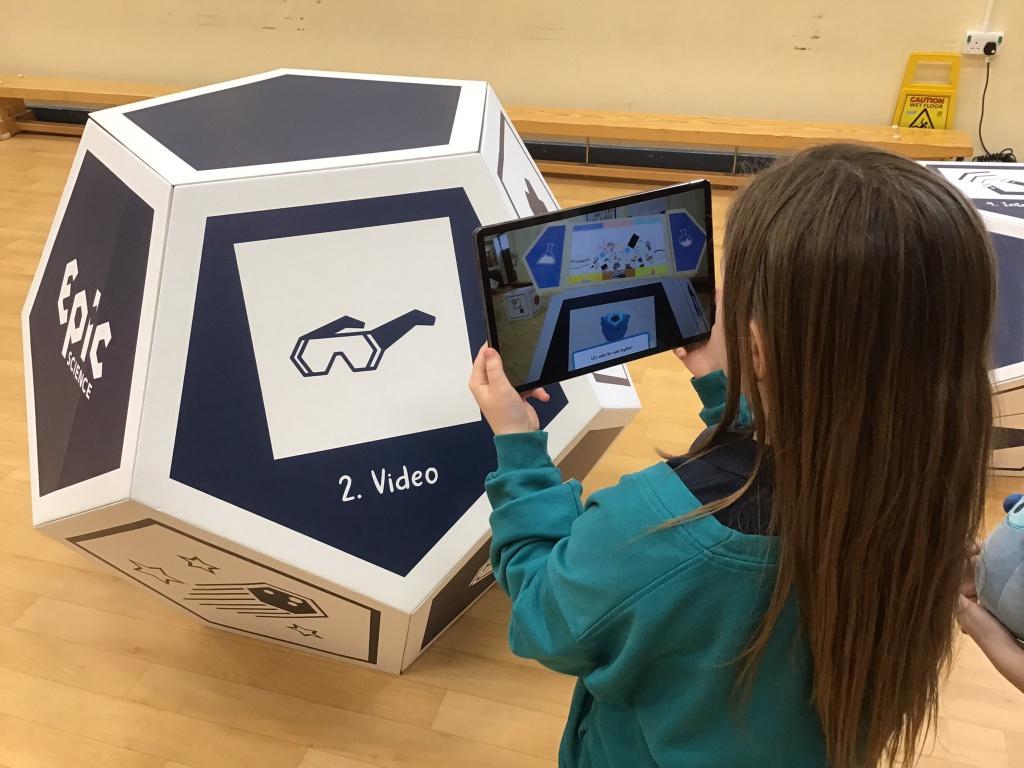
Virtual Reality (VR) and Augmented Reality (AR) are dramatically transforming teh way students learn, making education interactive, immersive, and more engaging than ever before. In this article, we’ll dive into compelling real-life case studies of schools successfully integrating VR/AR into their classrooms. We’ll look at the benefits, firsthand experiences, and practical tips for school administrators considering these innovative technologies.
introduction: The Rise of VR/AR in Education
Incorporating advanced VR and AR technologies in schools isn’t just a trend—it’s quickly becoming an essential element of modern pedagogy. VR/AR opens up possibilities for experiential learning, letting students interact with content in ways previously unimaginable. From exploring distant planets to dissecting virtual frogs, these tools cater to a wide variety of learning styles, breaking barriers of accessibility and engagement. but how are real schools actually using VR/AR in practise? Let’s take a closer look.
Key Benefits of VR/AR Implementations in Schools
- Enhanced engagement: Interactive lessons keep students interested and motivated.
- Experiential Learning: Students can perform science experiments, explore ancient locations, and visualize complex concepts safely and realistically.
- Improved Retention: Immersive experiences lead to better comprehension and memory.
- Inclusivity: VR/AR tools can help students with disabilities participate fully in classroom activities.
- Collaboration: Multiplayer VR scenarios build teamwork and communication skills.
Case Study #1: The English School – Helsinki, finland
Background
The English School in Helsinki embraced VR technology in their secondary science curriculum. Teachers aimed to make abstract scientific concepts tangible through immersive visualizations.
Implementation
- hardware: Oculus quest 2 headsets
- Software: The school used the ‘Titan Explorer’ VR app for biology and astronomy units.
- Training: Teachers received hands-on workshops on VR integration.
Results
- Students reported deeper understanding of complex systems such as the human circulatory system and planetary motion.
- Test scores in participating classes increased by 17% on average.
- Both teachers and students found the technology easy to use and integrate into lesson plans.
Firsthand Experience
“The VR sessions made biology come alive for me. I could literally walk inside a human heart and see how it worked. It’s way more interesting than reading from a textbook!” – Aila, Year 10 Student
Case Study #2: Winston Elementary - Chicago, USA
Background
Winston Elementary, located in Chicago, integrated Augmented Reality in classrooms to support literacy and language learning for early grade students.
Implementation
- Hardware: Tablets equipped with AR capabilities
- Software: ‘Quiver’ and ‘Arloon Plants’ AR apps used during reading and science activities
- Professional Development: Ongoing training sessions for teachers on incorporating AR resources into daily lessons
Results
- Literacy rates improved, especially among ESL (English as a Second Language) students.
- Students demonstrated increased participation and enthusiasm during reading sessions.
- AR was used to visualize stories and vocabulary, leading to better retention and comprehension.
Firsthand Experience
“AR brings our stories to life. My students get more excited to read when they see characters and scenes pop out from the pages!” – Ms. Johnson,2nd Grade Teacher
Case Study #3: Oakridge International School – Hyderabad,india
Background
Oakridge International School invested in a long-term plan to implement VR labs in their STEM curriculum,focusing on physics,chemistry,and environmental science modules.
Implementation
- Hardware: High-end VR headsets and dedicated computer labs
- Content: Custom-created simulations using CoSpaces Edu and Labster
- Schedule: Weekly VR lab rotations for Grades 7–12
Results
- STEM engagement increased, with students showing greater interest in pursuing science careers.
- Practical experiments became safer and more accessible.
- Parental feedback was overwhelmingly positive; 86% of surveyed parents agreed VR improved their child’s interest in science.
Firsthand Experience
“I never imagined I could perform chemical experiments in a virtual lab before coming to Oakridge.It’s safe, fun, and I actually look forward to my science classes.” – Rahul, Grade 11 Student
Case Study #4: Marsden High School – Sydney, Australia
Background
Marsden High School used AR in their history classes to help students visualize ancient civilizations and architecture.
Implementation
- Hardware: Tablets and smartphones with AR apps
- Content: Teacher-created AR overlays for Greek and Roman history lessons
Results
- Students reported higher engagement and curiosity about the past.
- Test scores improved for history subjects, especially in visual memory assessments.
- The school plans to expand AR initiatives into geography and art classes.
Firsthand Experience
“Seeing the Parthenon rise up on my desk was incredible. It helped me really understand its scale and importance.” – Sophie, Year 9 Student
Practical Tips for Successful VR/AR Integration in Schools
- Start Small: Begin with pilot programs and single-class experiments before scaling up.
- Invest in Training: Ensure teachers feel confident and comfortable with technology through ongoing professional development.
- choose Educational Content: Select VR/AR applications designed specifically for K-12 learning objectives.
- Focus on Accessibility: Make VR/AR accessible to students with learning challenges or physical disabilities.
- Monitor Outcomes: Evaluate both academic and engagement outcomes to measure success and adjust strategies.
Recommended VR/AR Tools for Schools
- Oculus Quest 2
- Google Expeditions (now built into Google Arts & Culture)
- Quiver AR Coloring App
- CoSpaces Edu
- Labster
- Matterport (for virtual campus tours)
Conclusion: The Future of Learning is Immersive
These real-life examples clearly demonstrate the transformative potential of VR/AR in education. From boosting engagement and comprehension to democratizing access to complex content, virtual and augmented reality technologies are reshaping classrooms for the better. For school leaders and educators, thoughtfully implementing VR/AR solutions—starting with small pilot projects, investing in training, and optimizing for curricular goals—can result in meaningful, lasting improvements in student learning outcomes.
Thinking about introducing VR/AR in your school? The experiences and feedback shared in these case studies offer a roadmap for successful integration. With continued innovation and collaboration, the future of immersive learning looks brighter than ever.
Have questions or want to share your school’s VR/AR journey? Leave a comment below and let’s continue the conversation!