
Real-Life Case studies: Successful VR/AR Implementations Transforming Education in Schools
Introduction: The Digital Revolution in Education
The digital transformation of modern education is well underway, with Virtual Reality (VR) and Augmented Reality (AR) leading the way. Once seen as futuristic tools, VR and AR are now actively shaping learning experiences, helping students grasp complex subjects, increasing engagement, and fostering creativity. But are these technologies truly making an impact in schools? This article dives into real-life case studies of successful VR/AR implementations in education, exploring how schools worldwide are harnessing immersive technology to boost student outcomes.
Why VR/AR Matter in education
- Interactive Learning: Students can visualize complex concepts in 3D and interact with learning materials.
- Enhanced Engagement: Immersive environments make lessons more appealing and fun, reducing boredom.
- Real-World Experience: Learners can practice skills and solve problems in simulated scenarios.
- Accessibility: AR/VR provides inclusive opportunities for differently-abled students.
- Collaboration: Multi-user VR platforms facilitate teamwork and dialog.
Case Study 1: Exploring Ancient Civilizations with VR at a US Middle School
Overview and Implementation
Washington Middle School in California adopted VR technology in its history classes to enable students to “visit” ancient Rome, Egypt, and Greece.Using Google Expeditions VR kits, students immersed themselves in interactive tours, examining artifacts and environments as if they were truly present.
Results & Impact
- Student engagement increased by 40% according to educator surveys.
- Retention of ancient facts improved, with test scores rising an average of 23% post-implementation.
- Students reported feeling more emotionally connected to historical figures and events.
“VR field trips brought history to life.It’s like stepping right into the past!” — Emily, 7th Grade Student
Case Study 2: AR Science Labs in UK Secondary Schools
Overview and Implementation
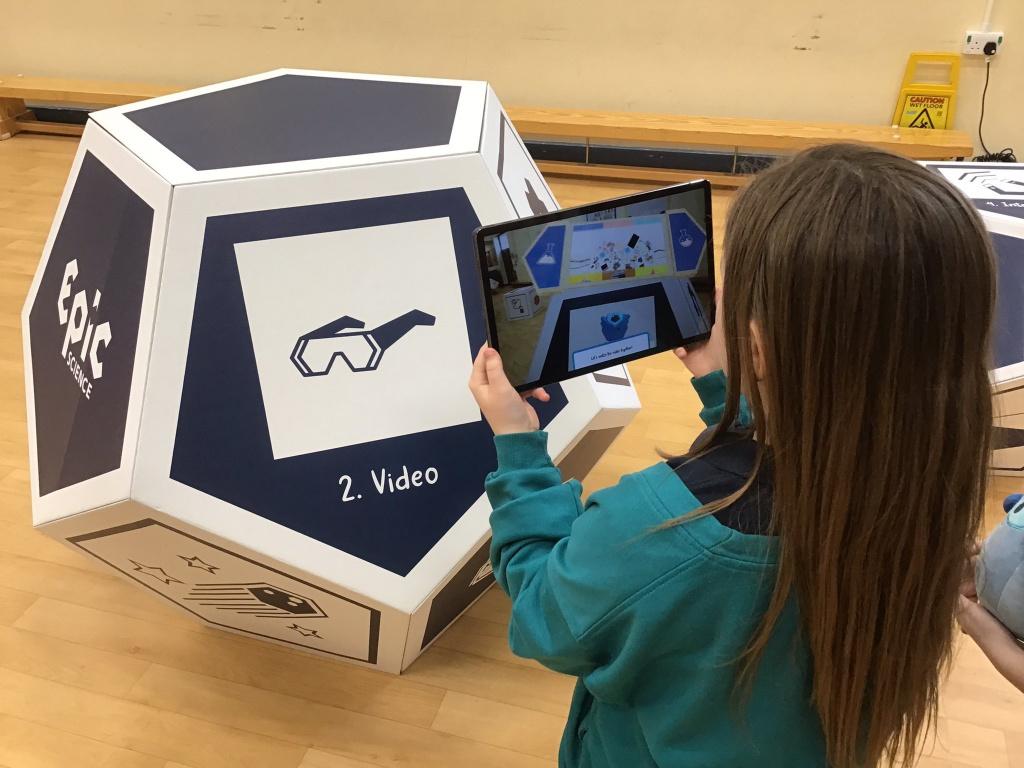
at bishop’s Gate Academy in London, science teachers introduced Augmented Reality apps to supplement lab work. Students used tablets to overlay digital data on physical experiments, visualizing molecules, human anatomy, and chemical reactions.
Key Benefits and Outcomes
- Complex concepts became easier to grasp, reducing misconceptions in subjects like Chemistry and Biology.
- Students felt more confident conducting experiments with virtual safety instructions and real-time feedback.
- special needs students benefited from individualized AR guidance and support.
“AR has turned science from stressful to exciting—every lesson feels like an adventure!” — Thomas, Science teacher
Case Study 3: VR Language Immersion at a Madrid High School
Overview and Implementation
Colegio Internacional de Madrid launched a VR language immersion program for Spanish and English learners. By donning headsets, students practiced language skills in realistic VR environments, ordering food in virtual cafes, navigating foreign cities, and participating in simulated conversations.
Practical Results
- Speaking and listening scores improved by 34% over conventional audio-visual methods.
- Teaching staff noted enhanced cultural understanding and empathy.
- students became less anxious and more willing to engage in spoken exercises.
“Students are not just learning grammar—they’re living the language!” — Ana, Language Program Coordinator
Case Study 4: AR Math Tools in Singapore primary Schools
Overview and Implementation
The Ministry of Education in Singapore introduced AR-based math tools that visualize numbers, fractions, and geometric shapes for elementary students. Teachers used AR apps and smart projectors to let children interact with 3D mathematics examples.
Outcomes & Feedback
- Test scores in mathematics increased by an average of 19% within the first semester.
- Students demonstrated greater problem-solving skills and confidence.
- Parents appreciated the innovative approach, reporting more positive attitudes toward math at home.
“Our kids now see math as a visual and hands-on experience.” — Mei Ling, Parent
Benefits of VR/AR in Teaching and Learning
- Deeper Understanding: Immersive simulations clarify abstract and tough subjects.
- Personalized Education: Customization allows learning at each student’s pace and ability.
- Safety in Risky Subjects: VR offers a risk-free arena to practice chemical experiments or engineering projects.
- Cross-Curricular Integration: VR/AR tools tie together science, history, arts, and languages.
- Boosted Creativity: Students can design virtual worlds, conduct mock interviews, and create interactive stories.
Practical Tips for Schools Planning VR/AR Adoption
- Start Small: Pilot VR or AR programs in a few subjects before full-scale rollout.
- Invest in Teacher Training: Provide professional growth for integrating technology into the curriculum.
- Assess Hardware Needs: Choose devices and software according to school budget and student age group.
- collaborate with Developers: Work with edtech companies to customize AR/VR content for specific learning goals.
- monitor Outcomes: Track student performance, feedback, and engagement for ongoing betterment.
First-Hand Experience: Teacher and Student Voices
Real success stories come directly from those using VR/AR in classrooms every day:
Liam, Grade 8 Student: “VR makes boring subjects fun. I solved math puzzles underwater, explored pyramids, and practiced French by talking with animated shopkeepers. I wish every class was like this.”
Hamid, Principal: “AR and VR lower barriers to learning. we see improved participation from quiet students and greater retention of material across the board.”
Challenges and Solutions in VR/AR Implementation
Despite promising outcomes, schools do encounter obstacles such as:
- High initial investment for hardware and software.
- Need for robust IT infrastructure and technical support.
- Content adaptation for various curricula and age groups.
- Potential for VR-induced motion sickness in some students.
Solutions include seeking grant funding, partnering with local universities, rotating devices among classrooms, and using cloud-based AR apps compatible with existing tablets and smartphones.
Conclusion: The Future of VR/AR in Schools
The transformative impact of VR/AR in education is clearly demonstrated by these real-life case studies. From boosting academic achievement in core subjects to fostering communication skills and enthusiasm for learning, immersive technology is more than just a passing trend—it’s the future of modern schools. As more institutions share their success stories and practical insights, the dream of accessible, engaging, and personalized education for all students comes ever closer to reality.
Schools ready to embrace virtual reality and augmented reality can look forward to not only improved academic outcomes, but also a newfound joy in teaching and learning.Now is the time to take the leap, invest in innovation, and help students thrive in the classrooms of tomorrow.
Are you ready to explore the possibilities VR/AR can offer your school? Start your journey today and transform education for your students!