
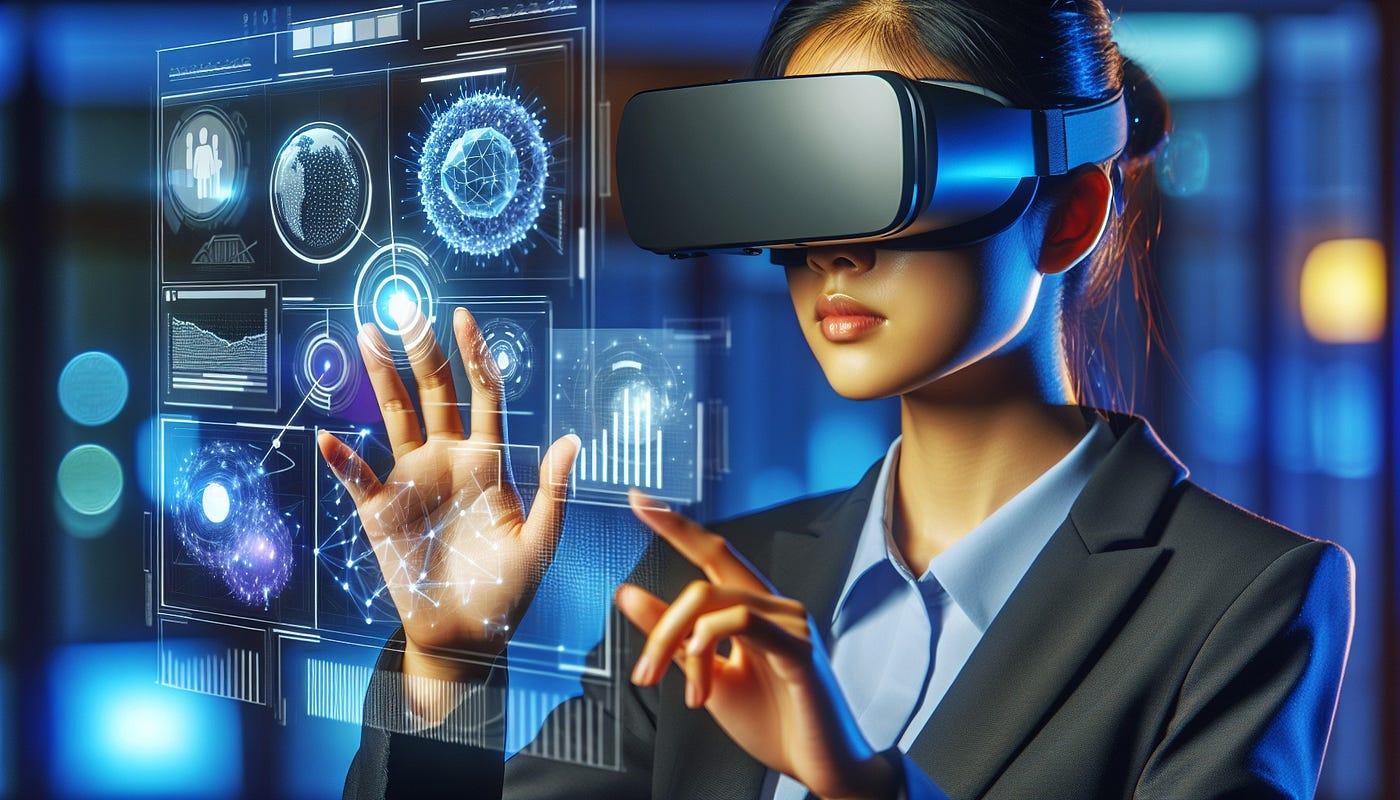
Real-life Success: Inspiring VR/AR implementation Case Studies in Schools
Virtual Reality (VR) and Augmented Reality (AR) are revolutionizing modern classrooms by creating interactive, immersive, and highly engaging learning experiences. Schools across the globe are embracing these futuristic technologies, not just for the “wow” factor, but for their proven ability to improve student engagement, comprehension, and collaboration. In this comprehensive article, we’ll explore inspiring real-life VR and AR success stories in schools, highlight the benefits of implementing these technologies, and offer practical tips for educators eager to take their first steps into immersive learning.
Why Use VR and AR in Schools? Key Benefits
- Enhanced Engagement: Interactive 3D experiences make lessons memorable and boost students’ motivation.
- improved Conceptual Understanding: Visualizing complex structures and processes (like molecular biology or historical events) makes abstract topics tangible.
- Safe simulation: Students can conduct virtual experiments or explore perilous environments safely.
- Accessible Field Trips: Virtual excursions to distant planets,ancient civilizations,or inside the human body are possible without leaving the classroom.
- encouraged Collaboration and Social Skills: Many VR/AR platforms incorporate teamwork and interactive problem-solving.
- Inclusivity: Supports diverse learning needs including visual, auditory, and kinesthetic learners, and can offer valuable scaffolds for students with special needs.
Inspiring VR/AR Case Studies in Schools
VR in Science: Making the Invisible Visible
Case Study: Franklin Middle School, Illinois, USA
Franklin Middle School implemented VR biology labs using affordable headsets. Students explored a 3D human cell, interacting with organelles and observing molecular processes. Teachers reported:
- 20% increase in test scores for cellular biology concepts
- Strong advancement in recall and understanding during class discussions
- High excitement and participation, with even previously disengaged students eagerly leading virtual lab tours
This technology bridged the gap between textbook diagrams and real understanding, making learning genuinely interactive.
AR for History and Geography: Bringing the Past to Life
Case Study: The British School, New Delhi, India
Using tablets and AR-enabled textbooks, students overlayed 3D models of ancient landmarks (such as the Roman Colosseum and Machu Picchu) onto their desks. Features included:
- Walk-through experiences, allowing students to “enter” the site and explore detailed virtual reconstructions
- Audio narration and pop-up facts triggered by scanning textbook images
- Collaborative group projects to research, present, and even build their own AR historical sites
Teachers noted that students retained twice as much historical detail compared to previous years, thanks to immersive visual and auditory cues.
Inclusive Learning with AR: Empowering Diverse Learners
Case Study: West Coast Primary, Cape Town, South Africa
To support students with learning disabilities, West Coast Primary used AR flashcards and interactive storybooks. These resources:
- spoke text aloud and animated key vocabulary, making lessons multisensory
- Provided immediate feedback and support, helping students build confidence and fluency
- Empowered teachers to track progress and tailor activities to individual needs
Feedback revealed improved reading levels and greater classroom participation for students who previously struggled to engage.
Virtual Field Trips and Language immersion
Case Study: Westside High School, Texas, USA
Through VR language apps, students studying spanish were “transported” to virtual streets of Madrid, where they:
- Practiced conversational skills with AI-driven avatars
- Discovered local landmarks and cultural touchstones
- Engaged in task-based missions that required vocabulary and quick thinking
Language teachers reported a 35% increase in speaking proficiency and far greater student enthusiasm than with traditional textbook or audio-based lessons.
First-hand Perspectives: Educators and Students Share Their experiences
“I witnessed students who were usually shy lead their peers on virtual expeditions – they blossomed into confident communicators and curious explorers.”
— Mrs. L. Harris, History Teacher, British School, New Delhi
“I never understood how a cell works untill I could ‘walk’ inside one. Now biology is my favorite class!”
— Priya S., 8th Grade Student
“With AR flashcards, my son isn’t just memorizing words—he’s living the story, which has made all the difference.”
— Parent, West Coast Primary School
practical Tips for Implementing VR and AR in Schools
- Start Small: Use simple AR apps or low-cost VR viewers for single subjects or projects before scaling up.
- Staff training: Provide hands-on workshops to ensure teachers are comfortable with the tech and know how to integrate it meaningfully with the curriculum.
- Choose the Right Tools: Research age-appropriate, curriculum-aligned VR/AR applications (look for solutions with analytics and accessibility features).
- Plan for Equity: If devices are limited, create rotating stations or “VR/AR corners” to maximize access.
- Involve Students in Content Creation: Encourage learners to design their own simple AR scavenger hunts or VR presentations using tools like CoSpaces Edu, Google Expeditions, or Merge Cube.
- Monitor and Evaluate: Collect feedback from students and staff, track learning outcomes, and refine your approach for maximum benefit.
- prioritize Safety and Digital Citizenship: Teach responsible technology usage and respect for digital environments just as you would in the real world.
Choosing the Best VR/AR Solutions for Classrooms
when selecting VR and AR platforms for education,consider the following factors:
- Device Compatibility: Look for apps and experiences that work on your school’s existing tablets,smartphones,or computers.
- Curriculum Alignment: ensure the content enhances or directly supports your learning outcomes.
- User-friendliness: Both teachers and students should be able to navigate interfaces intuitively.
- Customization Options: Platforms that let teachers tailor experiences to their lessons offer more impact.
- Support and Community: Vendor support, educator resources, and a strong peer network make implementation smoother.
Popular Education-Focused VR/AR Platforms Include:
- Google Expeditions
- CoSpaces Edu
- Merge EDU
- Zspace
- Nearpod VR
Frequently asked Questions about VR/AR in Schools
- Is VR/AR Safe for Children? Yes, when used with age-appropriate content and in short, supervised sessions. always check device guidelines for recommended usage times.
- Do Teachers Need Advanced Tech Skills? No! Most educational VR/AR platforms are designed for beginners and offer extensive support.Most importent is curiosity and willingness to experiment.
- What Subjects benefit Most? Science, history, geography, art, and language studies are especially well-suited, but creative teachers use VR/AR in nearly any subject.
- How Expensive is Implementation? Many AR tools work with devices schools already have, and there are affordable VR headsets and even cardboard viewers.pilot programs can minimize risk while maximizing learning impact.
Conclusion: Shaping the Future of Learning
As the case studies demonstrate, VR and AR technologies can transform education—making learning interactive, inclusive, and unforgettable. From virtual science labs to AR-powered history explorations and language immersion, these tools ignite curiosity and empower students of all abilities.
Ready to bring your classroom into the future? Whether you start small with a classroom AR scavenger hunt or launch a full-scale VR field trip, the possibilities are endless. With careful planning, thoughtful integration, and an open mind, your school can join the growing number of institutions making real-life learning success stories with immersive technology in education.
For more tips and resources on VR/AR in schools,don’t forget to subscribe to our newsletter!