
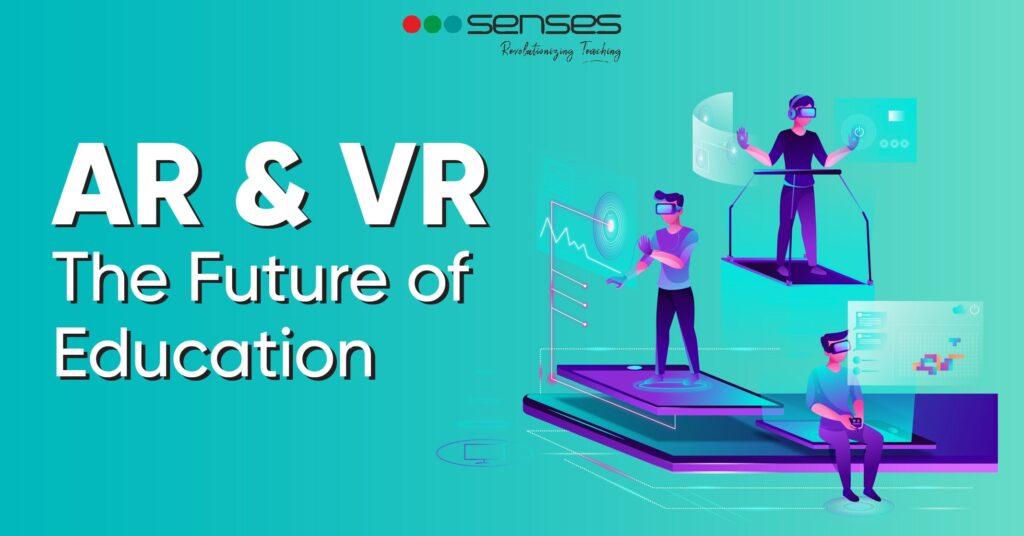
Real-life Success Stories: How schools Are Transforming Education with VR/AR Implementations
Virtual Reality (VR) and Augmented Reality (AR) are no longer just futuristic buzzwords — they’ve arrived in the modern classroom, transforming educational experiences worldwide. Across the globe, forward-thinking schools are leveraging the immersive power of VR and AR technologies to boost student engagement, deepen understanding, and prepare the next generation for a tech-driven world. In this comprehensive guide, we explore real-life success stories of schools embracing VR/AR, share firsthand experiences, outline transformative benefits, and offer practical implementation tips.
- Introduction
- The Transformative benefits of VR/AR in Education
- Case studies: Schools Successfully Implementing VR/AR
- Firsthand Experiences: Voices from the Classroom
- Practical Tips for Accomplished VR/AR Integration
- Conclusion: Shaping the Future with VR/AR Education
introduction: Entering the Era of Immersive Learning
Modern education faces unique challenges — from waning student attention to the need for more engaging instruction methods. Virtual Reality (VR) and Augmented Reality (AR) offer immersive solutions, enabling students to step inside virtual worlds or overlay details onto their real environments.Schools pioneering VR/AR implementations have seen transformative results: improved learning outcomes, greater enthusiasm, and enhanced teacher capabilities.
Let’s dive into the real-world impact of these innovative technologies in classrooms around the world!
The Transformative Benefits of VR/AR in Education
Virtual and augmented reality in education opens up new avenues that conventional instruction simply cannot reach. Here are some of the standout benefits:
- Deeper Engagement: Students are more motivated when lessons are interactive and visually stimulating.
- Enhanced Understanding: VR simulations help students grasp complex concepts by “experiencing” them.
- Safe Explorations: From virtual science labs to historic battlefields, students explore risk-free.
- Accessibility for All: AR overlays can support diverse learners, including those with special needs.
- Real-World Skill Building: VR scenarios can simulate real-life problem solving and critical thinking.
Whether it’s a virtual walk through ancient Rome or a hands-on chemistry experiment, VR/AR classrooms are breaking down barriers to participation and comprehension.
Case Studies: Schools Successfully Implementing VR/AR
Nothing illustrates the power of technology in education like real-life success stories. Here are a few remarkable examples where VR/AR integration has made a tangible difference:
1. Franklin Middle School, Ohio, USA
Franklin Middle School adopted a VR science curriculum that allows students to go on virtual field trips to the bottom of the ocean and the surface of Mars. After implementation:
- Test scores in science rose by 23%.
- Students reported a 70% increase in lesson engagement.
- Teachers found it easier to explain abstract concepts like ecosystems and climate change.
2. St. Mary’s School, London, UK
Using augmented reality in history classes, St. Mary’s teachers brought ancient artifacts and architectural wonders to life. Students could examine a 3D model of the Colosseum or view a digital overlay of Victorian London in their classroom:
- Attendance improved due to increased excitement about upcoming “AR Days”.
- History project outputs showed deeper critical analysis and creativity.
3. Forest Creek Elementary, Melbourne, Australia
Forest Creek educators use AR mathematics apps where students manipulate virtual blocks and shapes, finding new ways to visualize geometry. The results:
- 60% of students reported greater confidence in tackling math problems.
- Students with learning difficulties notably benefited from interactive,multisensory lessons.
4. Technological Institute of Monterrey, Mexico
In higher education settings, this institute adopted VR labs for engineering and medical students.Through virtual dissections and engineering simulations:
- Lab costs were reduced by an estimated 40%.
- Students gained hands-on experience—sometimes before entering physical labs.
- VR preparatory sessions led to better performance in traditional laboratory assessments.
These examples show that VR/AR technologies in schools are more than a trend—they are catalysts for lasting improvement in educational outcomes.
Firsthand Experiences: Voices from the Classroom
What do teachers and students think about the shift to immersive learning? Here’s what they have to say:
“VR took my students where textbooks couldn’t. When we explored the solar system together, I could see true excitement and curiosity sparking in their eyes.”
— Ms. Rajani Gupta, Science Teacher, New Delhi
“At first, I struggled with math. With AR, I could actually ‘see’ how things fit. Now math is my favorite subject!”
— Alex, Grade 5 Student
“AR lets us tailor content for each student. Our special education learners, in particular, are thriving with these tools.”
— Mr. Carter, Learning Support Coordinator
Such authentic testimonials reinforce that VR/AR is more than a novelty; it is a force for inclusive, engaging, and meaningful education.
Practical Tips for Successful VR/AR Integration in Schools
Are you considering integrating VR/AR into your school’s curriculum? Here are expert-recommended strategies for a smooth and successful transition:
- Start Small: Launch pilot projects in a single classroom or subject area before scaling up school-wide.
- Invest in Teacher training: Provide professional development opportunities so educators feel confident and competent using new technologies.
- Choose the Right Content: Opt for VR/AR applications that align with your curriculum and enhance—not replace—core learning objectives.
- Emphasize Accessibility: Ensure your chosen solutions are inclusive for students of all abilities, considering visual, auditory, and physical accessibility.
- Encourage Collaboration: Use VR/AR for group projects, facilitating teamwork and interactive learning activities.
- Measure Impact: Set clear KPIs (like engagement scores or test results) to track how VR/AR technology is influencing student outcomes.
- Seek Community Support: involve parents, local organizations, and technology partners to create a sustainable VR/AR education ecosystem.
With careful planning and ongoing support, schools can maximize the educational impact of immersive technology.
conclusion: shaping the Future with VR/AR Education
The future of education is immersive,interactive,and accessible for all.The real-life examples highlighted above prove that VR/AR can considerably enhance learning, making classrooms exciting and effective places for discovery. As more schools invest in these transformative technologies,students worldwide will benefit from new opportunities that foster curiosity,creativity,and lifelong skills.
are you ready to join the movement? Start exploring VR/AR solutions for education and take your school’s learning environment into the 21st century. The stories shared here are only the begining—imagine what your students could achieve with the right immersive tools!