
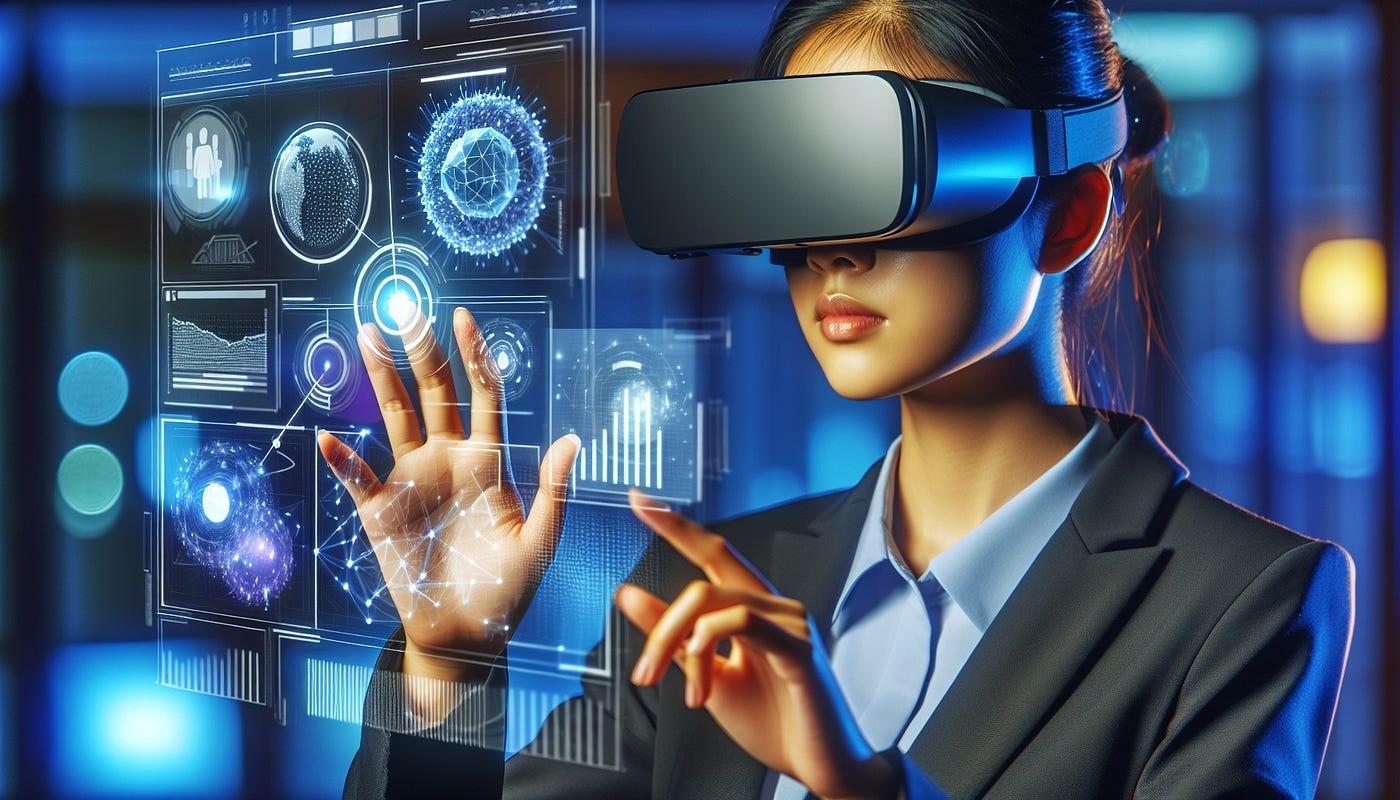
Real-World Case Studies of Successful VR/AR Implementations in Schools
Virtual Reality (VR) and Augmented Reality (AR) are transforming classrooms worldwide, pushing education into exciting new frontiers. As technology evolves, so too do the opportunities for interactive, engaging, and immersive learning experiences. In this comprehensive guide, we’ll examine real-world case studies of successful VR/AR implementations in schools, analyze their benefits, and share practical tips to help educators create meaningful learning environments.
Why Implement VR and AR in Schools?
The integration of VR and AR technology in education brings a host of benefits. Thes immersive tools allow for experiential learning, cater to different learning styles, and make abstract concepts tangible. here’s why educators worldwide are investing in VR/AR for schools:
- Enhanced Engagement: Interactive 3D models and virtual field trips make lessons captivating.
- Improved Retention: Studies show students remember VR/AR-powered experiences better than passive content.
- Accessibility: AR apps and VR simulations can adapt to the needs of diverse learners and those with disabilities.
- Safe Experimentation: Simulate lab experiments, hazardous environments, or complex scenarios risk-free.
- Global Collaboration: VR/AR platforms let learners connect and share experiences across borders.
showcasing Success: Real-World VR/AR Education Case Studies
Let’s examine some standout examples of schools using VR and AR to revolutionize learning. These case studies spotlight practical applications, challenges overcome, and the measurable benefits of immersive technology in education.
Case Study 1: Franklin Avenue Middle School, New Jersey, USA – Bringing Ancient Rome to Life with VR
franklin Avenue Middle School integrated VR headsets into their social studies curriculum, enabling students to “walk” through ancient Roman cities. By leveraging the Google Expeditions platform, students toured the colosseum, Roman Forum, and even participated in simulated ancient debates.
- Results: Teachers reported a 30% increase in quiz scores and greater enthusiasm in class discussions.
- Firsthand Experience: “Students who struggled with textbooks were suddenly asking for more independent VR sessions!” – Ms. Carter, History Teacher
Case Study 2: The King’s Academy, Oxford, UK – AR Science Labs for Practical Chemistry
This secondary school used the MEL Chemistry AR app alongside smartphones and tablets. Students could interact with 3D molecular models, run safe chemical experiments, and visualize reactions that would otherwise be unachievable or hazardous to perform in a classroom.
- Results: Lab engagement doubled, with students citing increased curiosity and confidence in tackling complex topics.
- Firsthand Experience: “Doing chemistry AR experiments helped me understand atomic structures way better than before.” – Olivia, Year 10 student
Case Study 3: Nanyang Primary School, Singapore – Inclusive AR Learning for Diverse learners
To support students with special educational needs, Nanyang Primary School employed AR-enabled worksheets. These triggered interactive stories and step-by-step instructions, allowing tailored learning at each student’s own pace.
- Results: Notable advancement in literacy skills and classroom participation among neurodiverse learners.
- Practical Tip: Choose AR apps with customizable content to maximize accessibility.
Case Study 4: St Peter’s College,Adelaide,Australia – Virtual Excursions Across the Globe
Geography classes at St Peter’s College transformed with VR-based virtual excursions. Using Nearpod VR, students explored rainforests, volcanoes, and even underwater ecosystems from their classroom seats.
- results: Students demonstrated deeper geographical understanding and greater empathy towards different cultures and ecosystems.
- Practical Tip: Integrate follow-up projects or presentations to reinforce VR learning experiences.
Benefits of VR/AR in Education – Backed by Real Results
- Personalized Learning: VR/AR lessons adapt to individual paces and interests.
- Active Participation: VR and AR create “learn by doing” environments.
- Bridging Theory and Practice: Complex scientific or past concepts become easier to grasp via direct interaction.
- Equity in Education: Virtual simulations allow students from various backgrounds to access high-quality learning experiences.
Practical Tips for Integrating VR/AR in School Classrooms
- Start Small: Pilot one lesson or module and gather feedback before scaling up.
- Invest in Training: Ensure teachers are comfortable using VR/AR tools and platforms.
- prioritize Accessibility: Choose content and hardware that supports diverse learning needs.
- Ensure Safety and Supervision: Especially with younger students, establish clear usage guidelines.
- Constant Evaluation: Use metrics (test scores, engagement, feedback) to assess and refine implementations.
Key Platforms and Resources for VR/AR in Schools
- google Expeditions: Wide library of immersive field trips and subject-based experiences.
- MEL Science: Interactive and safe chemistry simulations and AR visualizations.
- Nearpod VR: Allows teachers to create tailored VR lessons accessible across devices.
- Merge Cube: Affordable mixed-reality tool for hands-on learning in STEM subjects.
Overcoming Challenges in VR/AR Implementation
- budget Restraints: Opt for cost-effective solutions like smartphone-based viewers and free AR apps.
- Content Quality: Vet platforms to align with curriculum standards and student needs.
- Technical Barriers: Partner with IT specialists and ensure reliable device management.
Conclusion: The Future of Learning is Immersive
The real-world case studies showcased above prove that VR and AR are not passing trends; they are pivotal in shaping the future of education. Schools integrating virtual and augmented reality are seeing deeper engagement, improved educational outcomes, and better preparation for the digital age. Weather you’re an educator, administrator, or parent, embracing VR/AR in schools means unlocking new pathways for curiosity and lifelong learning.
Looking to bring VR/AR to your school? Start with small pilot programs, invest in staff training, and choose platforms that fit your community’s needs. Explore the possibilities—the classroom of tomorrow is already here!