
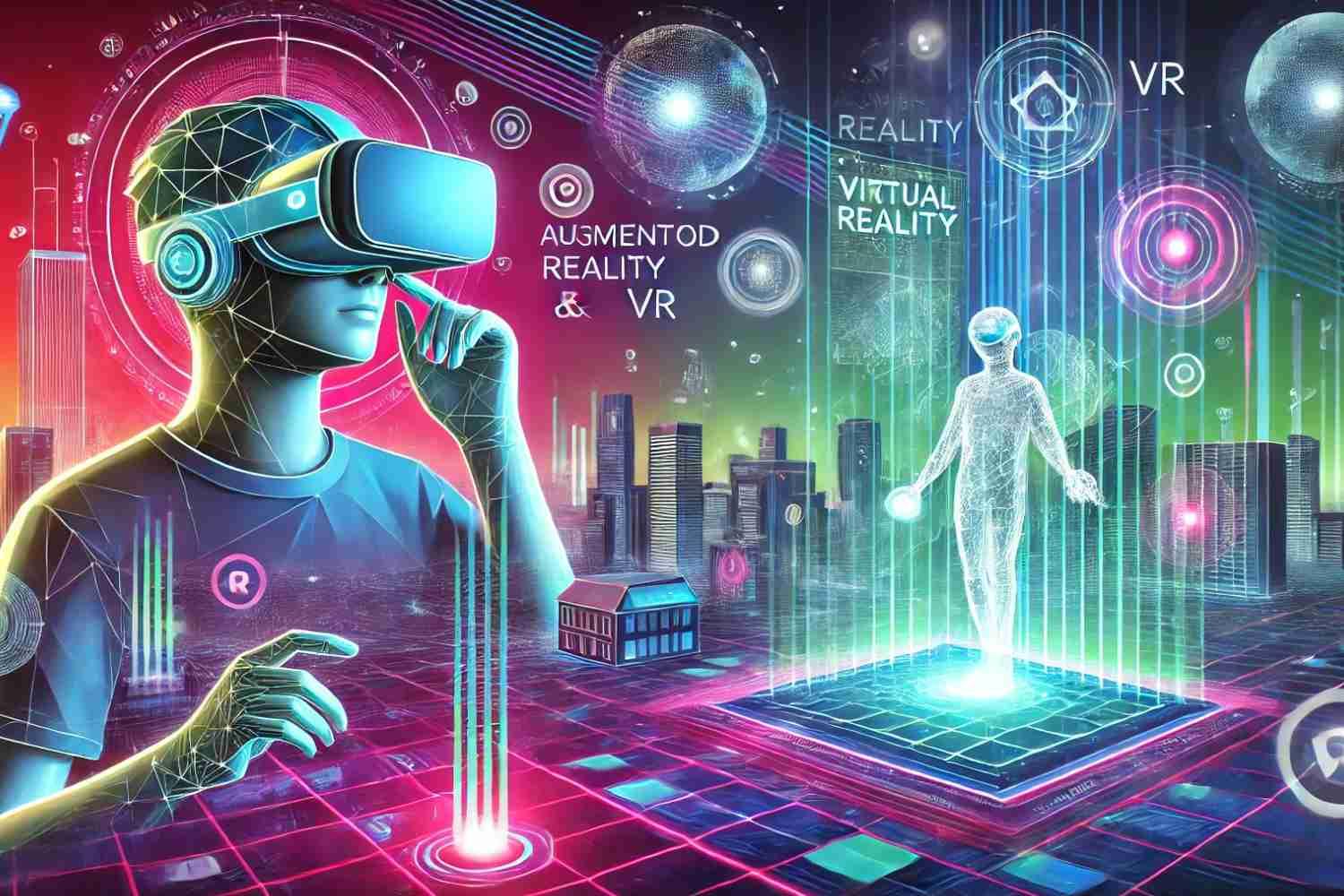
Real-World Case Studies of Successful VR/AR Integration in Schools
As Virtual Reality (VR) and Augmented Reality (AR) technologies continue to evolve, their applications within education are rapidly expanding. Schools around the globe are leveraging VR and AR to create immersive, interactive learning environments. In this thorough article, we’ll delve into real-world case studies showcasing successful VR/AR integration in schools, highlight the benefits, share practical tips, and reflect on firsthand experiences. Whether you’re an educator, administrator, or parent eager to explore innovative edtech solutions, these insights will help you understand how VR and AR are revolutionizing education.
Why VR and AR Matter in Education
the integration of VR (Virtual Reality) and AR (Augmented Reality) in classrooms is transforming pedagogy. These technologies foster deep engagement, ignite curiosity, and accommodate diverse learning styles.By presenting information in visually stimulating formats, VR and AR make abstract concepts tangible and learning fun.
- Immersive Learning Environments: Students explore virtual worlds, historical events, and complex systems first-hand.
- Personalized and Interactive Experiences: Lessons can be tailored to individual student needs and pace.
- Safe Practice Spaces: Simulations allow for risk-free exploration in science labs, vocational training, and more.
- Global Connections: AR and VR can bridge geographical gaps, connecting classrooms across continents for collaborative projects.
Benefits of Integrating VR/AR in Schools
- Improved Retention Rates: Students retain information better with immersive visual experiences.
- enhanced Engagement: Interactive lessons foster enthusiasm and motivation.
- Deeper Understanding: Complex subjects like STEM, history, and art are easier to grasp through visualization.
- Advancement of 21st Century Skills: Critical thinking, collaboration, and digital literacy are strengthened.
- Accessibility: AR and VR can adapt lessons for students with disabilities, breaking down learning barriers.
Real-world Case Studies: Successful VR/AR Integration in Schools
Let’s explore concrete examples were educational institutions have used VR/AR solutions with demonstrable success.
1. Washington Leadership Academy, Washington D.C.
The Washington Leadership Academy became one of the first public charter high schools in the United States to launch a comprehensive VR program. Through partnerships with leading technology companies, the school offered students the chance to create their own virtual reality experiences and explore challenging subject matter.
- Students designed VR simulations for social studies and science curricula.
- Math classes used VR geometry software for 3D spatial analysis.
- Results included increased student engagement and improved test scores, especially among students who previously struggled with traditional teaching methods.
2. InnoClass Program, Helsinki, Finland
Finland’s renowned InnoClass program equips classrooms with AR-enabled devices to support digital literacy and creativity. Teachers use AR apps to visualize scientific processes, historical landmarks, and art projects in real time.
- Primary students explored plant biology by interacting with AR models of cells and ecosystems.
- High schoolers collaborated internationally via AR-supported language exchanges.
- Feedback showed that AR transformed lessons into multisensory experiences, making learning more accessible and exciting.
3.ClassVR at St. Stephen’s School, Australia
St. Stephen’s School in Perth has been an early adopter of the ClassVR platform, integrating VR headsets across multiple grades and subjects.
- History classes transported students to ancient Rome, Egypt, and the trenches of World War I.
- Science teachers created interactive VR field trips to the Great Barrier Reef.
- Teachers reported higher levels of motivation and creativity, with students frequently leading peer-to-peer learning sessions using VR.
4. Moorhead High School, Minnesota, USA
This public secondary school deployed AR anatomy apps for biology and health classes. Using tablets and smartphones, students scanned posters and models to view overlaying 3D skeletons, muscles, and organs.
- Lessons enabled students to rotate, zoom, and interactively explore human anatomy.
- AR reduced learning anxiety and helped clarify complex subjects for visual learners.
First-Hand Experiences: Educators Share Insights
Teachers and students have provided enthusiastic feedback about their experiences with VR/AR classroom technology. Here are some direct quotes from pilot programs and ongoing initiatives:
“my students are excited for every lesson. VR gives them confidence and a voice in the classroom.” – Science Teacher, Washington Leadership Academy
“AR has made our biology labs so much more inclusive and dynamic. It’s changing how we approach learning.” – Biology Instructor,Moorhead High School
“It’s incredible to watch students teach their classmates using VR simulations they built themselves.” – Curriculum Coordinator, St. Stephen’s School
These firsthand experiences reinforce the value of immersive technology in education, driving both student achievement and positive classroom culture.
Practical Tips for Successful VR/AR Integration in Schools
Ready to incorporate VR and AR into your curriculum? Consider these actionable tips from schools that have implemented immersive technology successfully:
- Start Small and Scale Up: Begin with pilot projects or single-subject deployments, then expand as teaching teams become comfortable with the technology.
- Invest in Teacher Training: Professional development is critical—offer workshops and ongoing support to help educators harness VR/AR tools.
- Choose the Right Content Platforms: Select age-appropriate VR/AR solutions with curriculum-aligned content for maximum impact.
- Encourage Student-Created Content: Empower students to design VR/AR projects, fostering creativity and ownership over learning.
- Monitor for Accessibility: Ensure hardware and software are usable for all learners, including those with disabilities.
- Collaborate and Share: Partner with other schools and districts to share best practices and resources.
Addressing Challenges: Overcoming Barriers to VR/AR Adoption in Education
While the advantages are compelling,schools may face obstacles such as budget constraints,technical barriers,and staff buy-in.Here’s what successful programs recommend:
- pursue Grants and Funding: look for government and nonprofit grants dedicated to edtech innovation.
- Leverage Existing Devices: Utilize smartphones and tablets for AR experiences before investing in advanced hardware.
- Foster a Growth Mindset: Highlight speedy wins and celebrate achievements to boost staff confidence.
- Prioritize student Safety and Privacy: Work with IT to ensure secure usage of VR/AR systems.
Conclusion: The Future of VR/AR Integration in Schools
The transformative potential of VR/AR integration in schools is already being realized worldwide. The case studies above illustrate how immersive technologies elevate student engagement, enrich learning experiences, and cultivate digital-literacy skills essential for the future. As VR and AR solutions become more accessible and user-amiable, more educators can harness their power to inspire curiosity, creativity, and collaboration.
For school leaders, teachers, and edtech advocates, there’s never been a better time to explore the possibilities of virtual reality and augmented reality in education. Begin with small pilot projects, celebrate student creativity, and continue sharing success stories. By prioritizing thoughtful, strategic implementation, schools can unlock the full benefits of immersive learning and ensure that every student is prepared for a dynamic digital future.
Keywords: VR/AR integration in schools, immersive education technology, virtual reality case studies, augmented reality classroom, benefits of VR/AR in education, teacher experiences, implementing VR in schools, AR teaching tools
Unlock the Power of Immersive Learning
Interested in bringing VR/AR technology to your school? Contact us for support, training, and resources to start your journey today!