
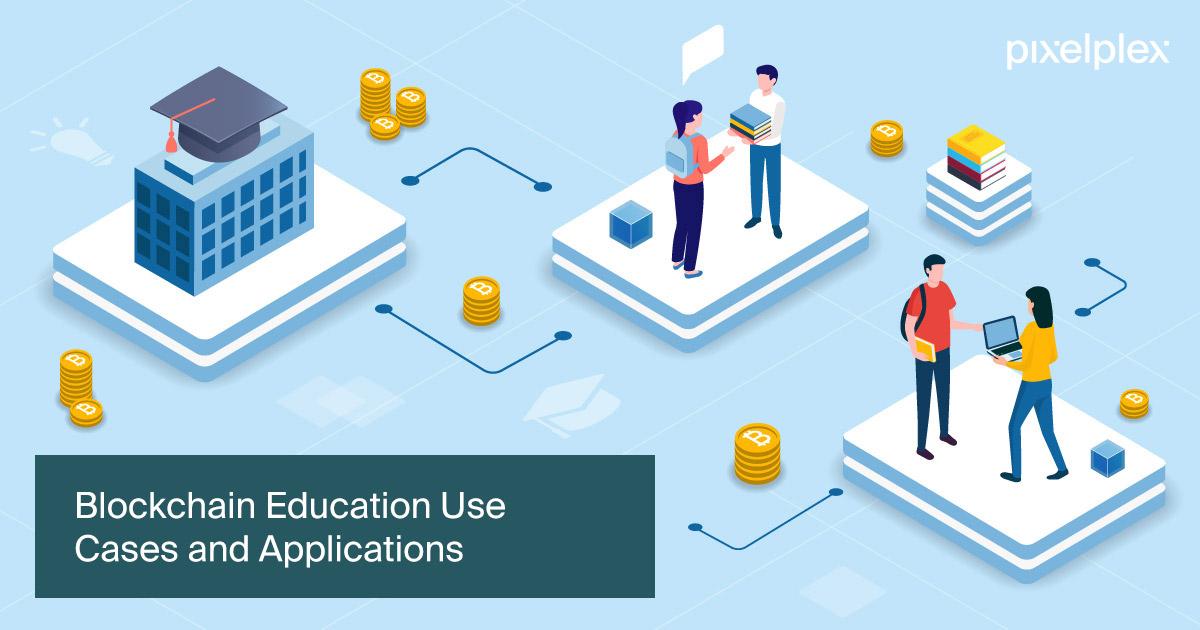
Real-World Impact: Case studies of Blockchain in Higher Education
blockchain technology is rapidly transforming numerous industries, and higher education is no exception. As institutions face challenges related to credential verification, student record management, data security, and academic integrity, blockchain is emerging as a groundbreaking solution with real-world impact. in this comprehensive article, we delve into detailed case studies of blockchain adoption in higher education, uncovering its practical benefits, exploring firsthand experiences, and offering guidance for future implementation.
Introduction: Why blockchain Matters in Higher Education
The digital change of education has accelerated the need for secure, transparent, and efficient ways of handling credentials and academic records. Enter blockchain—a decentralized, tamper-proof ledger technology. For colleges and universities,blockchain can:
- Ensure authenticity of degrees and certificates
- Streamline student data management
- Enhance international student mobility
- Protect student privacy and data security
Let’s explore how leading institutions are integrating blockchain in higher education and delivering tangible results.
Benefits of Blockchain in Higher Education
Before diving into specific blockchain case studies, it’s essential to recognize the overarching benefits driving university adoption:
- Immutable Academic Records: Blockchain eliminates risks of credential fraud by storing records in an unalterable format.
- Automated verification: Employers and institutions can instantly verify qualifications without manual checks.
- Enhanced Administrative Efficiency: Automated processes reduce paperwork and save valuable staff time.
- Student Empowerment: Students retain control over their own data, sharing it only with trusted parties.
- Support for lifelong Learning: blockchain supports micro-credentials and stackable certificates, promoting continuous education.
Case Studies: Blockchain’s Real-World Impact in Higher Education
1. Massachusetts Institute of Technology (MIT): Digital Diplomas
Background: Traditional paper diplomas ofen face challenges such as delayed delivery and risk of forgery. MIT, a pioneer in technological adoption, sought a secure alternative.
Implementation: In 2017,MIT launched the MIT Digital Diploma initiative using blockchain. Graduates received both a paper diploma and a verifiable digital diploma stored on the Bitcoin blockchain. The digital credentials could be shared instantly with employers and universities worldwide.
- Outcome: Graduates reported faster, more secure sharing of credentials.Employers were able to verify academic achievements instantly, reducing recruitment delays.
- Impact: MIT’s project inspired other universities globally to explore blockchain for digital degrees.
2. university of Nicosia: Blockchain-Powered Academic Credentials
background: The University of Nicosia in Cyprus has been a leading advocate for blockchain in education, being the first to offer a degree in digital currency.
Implementation: All certificates issued by the university are registered on the Bitcoin blockchain. The process allows students and third parties to verify the authenticity of their records online via a public link.
- Outcome: Alumni experience instant, global recognition of their credentials, reducing verification costs for employers and institutions.
- Impact: The seamless process promotes trust in digital credentials.
3. Sony Global Education & IBM: blockchain for Student Records in Japan
Background: In collaboration with IBM, Sony developed a blockchain-based platform to securely share and manage student records across participating educational organizations.
Implementation: The platform stores academic achievements, test results, and other important records on a permissioned blockchain. This allows for streamlined student transfers between schools and universities.
- outcome: Reduced administrative complexity for students moving between institutions. Improved accuracy and accessibility of educational data.
- Impact: Sets the foundation for a nationwide standardized education record system in Japan.
4. malta: A National Blockchain Strategy for Education
Background: The Republic of Malta invested in a national act to leverage blockchain for public recordkeeping, including educational certificates and diplomas.
Implementation: The Malta Digital Innovation Authority oversees initiatives to store all educational certificates on a blockchain, accessible by students, educators, and employers.
- Outcome: Simplifies credential evaluation for international students and employers. Boosts the country’s attractiveness as an education destination.
- impact: Malta has become recognized as a global blockchain leader.
5. ECPI University (USA): Securing Transcripts with Blockchain
Background: The rising demand for secure transcript sharing prompted ECPI University to look for innovative solutions.
Implementation: ECPI partnered with blockchain vendors to allow students to request and share tamper-proof digital transcripts in real time, reducing processing delays and fraud risk.
- Outcome: Students experienced less bureaucracy and faster application processes for graduate studies and jobs.
- Impact: Positive student and employer feedback encouraged other institutions to explore similar solutions.
Firsthand Experience: Insights from University Leaders
“Implementing blockchain credentials has streamlined our verification process, improved our alumni’s job prospects, and reduced fraud. We believe this technology is essential for the future of higher education.”
— Registrar at a Leading European University
Staff, students, and administrators at pioneering institutions consistently report:
- Greater confidence in the integrity of academic records
- Simplified international admissions processes
- Improved employer satisfaction with instant credential verification
Best Practices and Practical Tips for Blockchain Implementation
If yoru university is considering adopting blockchain technology, keep these practical tips in mind:
- Start with Pilot programs: Begin by issuing certain certificates or transcripts on blockchain to gauge outcomes and collect feedback.
- Collaborate with Experienced Partners: Work with blockchain vendors or platforms that have a proven track record in the education sector.
- Focus on Interoperability: Choose solutions that support integration with existing student information systems and comply with national & international standards.
- Educate All Stakeholders: Provide clear information and training for staff, students, and employers to ensure smooth adoption.
- Prioritize Privacy and Security: Use permissioned blockchains and robust cryptographic methods to comply with GDPR, FERPA, and other relevant regulations.
Challenges and Considerations
While the benefits of blockchain in higher education are meaningful, institutions should also address potential challenges:
- Standardization: Adoption is hindered when different blockchains or data formats are not compatible.
- Cost and Complexity: Initial investment and staff training can be resource-intensive.
- Legal and Regulatory Issues: Compliance with data privacy laws is essential, especially when dealing with cross-border verifications.
- Scalability: Solutions should be evaluated for performance as the number of users grows.
The Future of Blockchain in Higher Education
The adoption of blockchain technology in higher education is still evolving, yet the evidence from these real-world case studies is clear: blockchain offers a viable solution to many of the sector’s most pressing issues. Looking ahead, we can expect:
- Wider adoption of blockchain-based credentials and transcripts
- Enhanced support for micro-credentials, online learning, and lifelong education
- Deeper international collaboration through interoperable, borderless academic records
Educational institutions that invest in blockchain today are positioning themselves at the forefront of digital innovation—offering students security, mobility, and control over their academic journeys.
Conclusion
Blockchain’s real-world impact in higher education is not a far-off vision—it’s happening now.From MIT’s digital diplomas to Malta’s national blockchain strategy, universities and colleges are harnessing this powerful technology to solve genuine challenges. By embracing blockchain, institutions streamline operations, empower students, and enhance global trust in educational credentials. For stakeholders considering this transformative step, these case studies highlight both the opportunities and practical steps toward success.
As blockchain adoption continues to grow, its role in shaping the future of higher education will only become more pronounced. Now is the time for educational leaders to explore, innovate, and invest in the secure and flexible academic solutions that blockchain technology offers.