
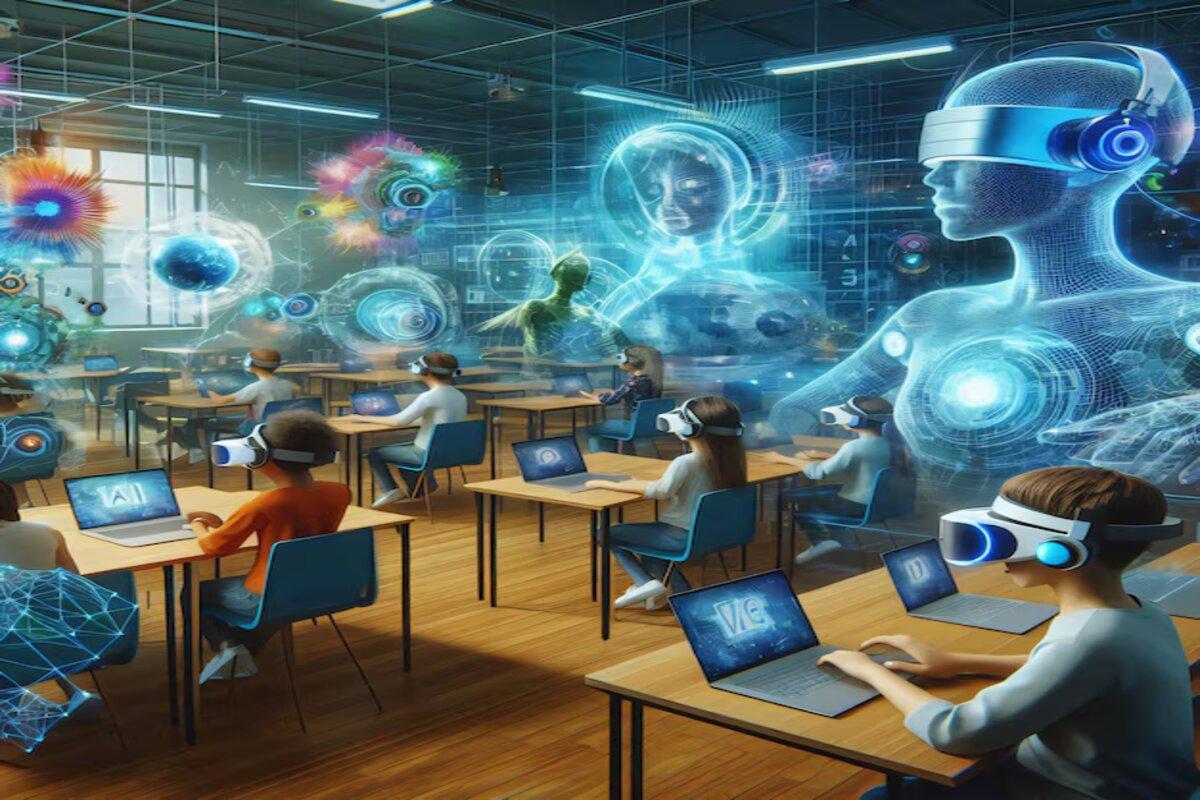
Revolutionizing Classrooms: How AI Is Personalising Education Worldwide
Artificial intelligence (AI) is swiftly reshaping the modern educational landscape. By leveraging AI technologies, schools and universities are moving beyond the one-size-fits-all approach, instead offering personalized learning experiences tailored to each student’s unique needs and pace. Whether you’re an educator, parent, or lifelong learner, understanding how AI is personalizing education across the globe is essential. In this article, we’ll explore the impact of AI in classrooms, real-world success stories, actionable strategies, and the future potential of AI-powered learning.
What is AI Personalization in Education?
AI personalization in education refers to the use of artificial intelligence to create custom-tailored learning experiences. Unlike traditional methods, AI-powered systems analyze students’ learning patterns, strengths, and areas for betterment, then adapt lessons, feedback, and assessments accordingly. This dynamic approach ensures every learner receives the support and challenges needed to unlock their full potential.
- Adaptive learning platforms: Modify content difficulty and type in real time.
- Intelligent tutoring systems: Offer instant feedback and guidance.
- Automated assessment tools: Personalize testing and recommendations.
- Learning analytics dashboards: Help educators make data-driven decisions.
Key Benefits of AI in the classroom
Integrating artificial intelligence in education offers numerous advantages. Let’s break down the top benefits for students, teachers, and schools:
For Students
- Learn at a personalized pace and style
- Access additional support outside classroom hours
- Receive instant, specific feedback
- develop critical thinking and problem-solving skills
- Benefit from increased motivation and engagement
For Teachers & Schools
- Automate grading and reduce administrative workload
- Identify struggling students early for timely intervention
- Curate custom curriculum resources
- Enhance classroom management and lesson association
- Improve educational outcomes across diverse student populations
How AI is Transforming the Learning Experience
The implementation of AI in classrooms extends far beyond simple automation. Here’s how artificial intelligence is revolutionizing teaching and learning worldwide:
1. Intelligent Tutoring Systems
AI-driven tutoring platforms like Carnegie Learning and Knewton provide real-time, adaptive instruction personalized for each student. These systems mimic one-on-one tutoring, identifying when a student is struggling and offering custom explanations or alternative examples.
2. Adaptive Learning Platforms
Tools such as DreamBox and Smart Sparrow use predictive analytics to tailor content presentation, pacing, and complexity, ensuring no student is left behind or unchallenged.
3. Automated and Formative Assessment
AI enables rapid,unbiased assessment with platforms like Gradescope and Quizlet. These systems adapt future questions based on past responses, giving students a more effective path to mastery.
4. Learning Analytics Dashboards
AI-powered dashboards help educators visualize student progress, identify trends, and intervene earlier, promoting better outcomes. They enable data-driven teaching rather than guesswork.
5.Personalized Content Recommendations
Just as streaming services suggest movies, AI in education can recommend articles, videos, or practice exercises that match a student’s current skill level and interests. This keeps learning relevant and engaging.
Case Studies: Real-World Examples of AI in Education
China’s Smart Classrooms
In China, cities like hangzhou have introduced AI-powered classrooms where facial recognition, attention-tracking, and personalized assignments are the norm. These innovations have led to improved student engagement and more efficient teaching methods.
United States: Adaptive Math in California
Schools in California piloted DreamBox Learning, where AI adapts math lessons in real time. The result: students improved their math test scores significantly compared to traditional classrooms, and teachers reported higher levels of student confidence.
India: AI-Assisted Remedial Programs
Non-profit initiatives have introduced AI-assisted learning in under-resourced rural schools, using apps that adjust difficulty for remedial math and reading. As an inevitable result, more students meet grade-level standards and develop a sustained love for learning.
Europe: AI for Special Education
Projects in finland and the UK use AI to help students with dyslexia and other learning difficulties, providing text-to-speech tools and custom exercises. These advancements make inclusion possible like never before.
Practical Tips: Adopting AI in Your Classroom
- Start small: Pilot a single AI-powered tool (like adaptive math software) before a school-wide rollout.
- Invest in teacher training: Make sure educators are cozy with new technologies through workshops and ongoing support.
- Involve parents and students: Host informational sessions to build understanding and trust in AI’s role in learning.
- Monitor and evaluate: Use analytics to track improvements and adjust strategies as needed.
- Ensure data privacy: Partner with trusted vendors and prioritize student data security at every step.
Challenges and the Future of AI in Education
Despite its promise, AI in education faces several challenges, including:
- Ensuring data privacy and security
- Combating algorithmic biases
- bridging the digital divide in underserved communities
- Making sure educators are empowered, not replaced
The future is bright, though. Ongoing research and ethical progress will continue to improve AI’s effectiveness, accessibility, and fairness. As more schools adopt personalized learning through AI, we can expect not only higher academic achievement but also more engaged, curious learners ready for tomorrow’s world.
Conclusion: Embracing the AI Revolution in Education
The integration of artificial intelligence in classroom learning is no longer a futuristic dream—it’s happening right now, from bustling urban centers to remote villages. By embracing AI-powered personalization, educators can inspire every student to reach their potential, while making teaching more efficient, inclusive, and impactful. The revolution has begun: is your classroom ready to join?
Interested in learning more about AI in education? Explore our additional resources,or connect with an expert to discuss how you can bring personalized,AI-driven learning to your school or community.