
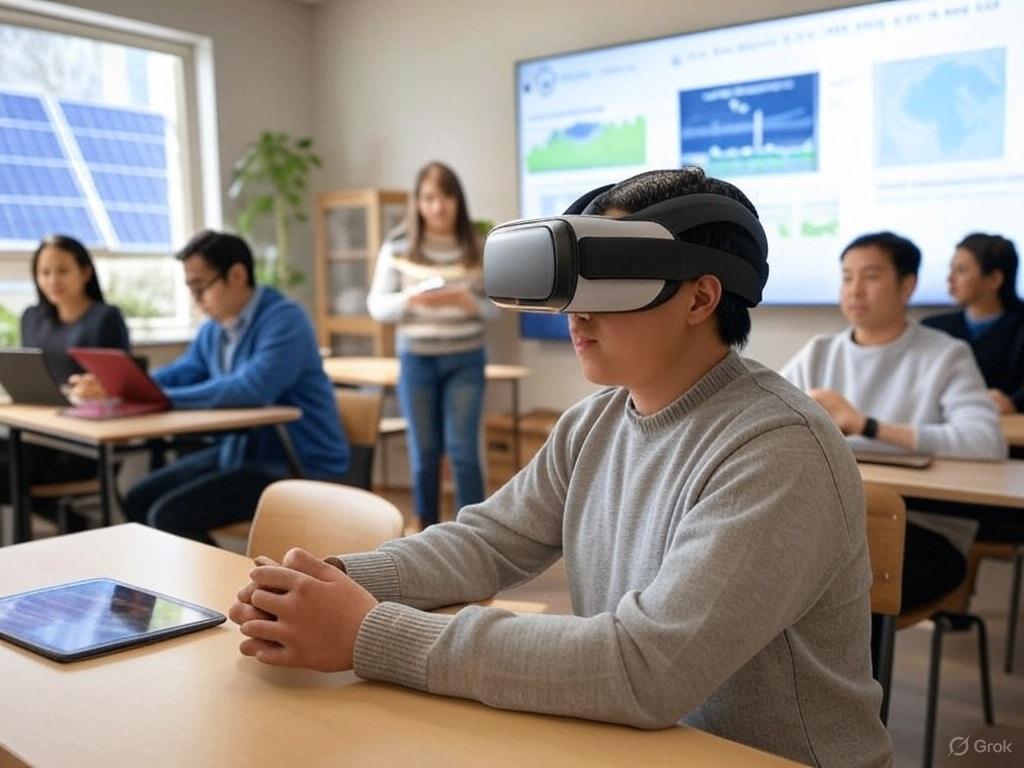
Revolutionizing Classrooms: Sustainable Technologies in Educational Settings for a Greener Future
Sustainable technologies are quickly becoming essential in the conversion of modern educational environments. As global awareness of climate change intensifies, ther is a growing emphasis on integrating green solutions in schools to reduce carbon footprints, cultivate eco-conscious students, and foster resource efficiency. In this extensive article, we will explore how sustainable technologies are revolutionizing classrooms, discuss their myriad benefits, share real-world examples, and offer practical tips for educators and administrators eager to shape a greener future for the next generation.
Why Sustainable Technologies Matter in education
Educational institutions have immense potential to influence not only the minds of students but also the future of our planet. By adopting sustainable classroom technologies, schools can:
- reduce energy consumption and operating costs
- Minimize reliance on non-renewable resources
- Instill an environmental mindset in students
- Set examples for local communities and other sectors
Implementing green education technology solutions ensures that sustainability is not just taught—it is practiced daily.
Key Sustainable Technologies Revolutionizing Classrooms
Modern classrooms have a wealth of tools and technologies at their disposal to support sustainability goals. Here are some of the moast impactful sustainable tech trends in education:
1. Solar energy Integration
Many schools worldwide are embracing solar panels to power their classrooms and reduce dependency on fossil fuels. rooftop solar installations can generate meaningful amounts of energy, lowering utility bills and decreasing greenhouse gas emissions. Additionally, solar-powered classrooms serve as practical, hands-on examples for lessons in renewable energy.
2. Digital Learning and Paperless Classrooms
The shift from traditional textbooks and assignments to digital learning platforms dramatically reduces paper consumption and encourages a more sustainable learning model. Some key benefits include:
- Less paper waste and fewer printing resources
- Access to a broader range of up-to-date educational content
- Reduced environmental footprint from shipping and distribution
3. Energy-Efficient Lighting and Appliances
Switching to LED lighting and energy-efficient electronics in schools is an easy yet impactful way to conserve energy. These devices have longer lifespans and consume fewer resources,making them ideal for eco-friendly educational settings.
4. smart HVAC and Building Management Systems
Modern smart HVAC systems adjust heating and cooling based on occupancy and weather,optimizing energy use. Integrated building management systems can monitor overall efficiency, further contributing to a school’s sustainability goals while providing a comfortable and healthy learning surroundings.
5. Green Classroom Furniture and Materials
Furniture made from recycled or responsibly sourced materials can significantly reduce a school’s environmental impact. Products with certifications like FSC (forest Stewardship Council) ensure sustainable sourcing, while non-toxic finishes promote healthier indoor air quality.
6.Water Conservation Technologies
Institutions can install low-flow toilets, faucets, and rainwater harvesting systems to reduce water consumption and teach students about responsible resource management in real time.
Benefits of Sustainable Technologies in Educational Settings
Adopting eco-friendly classroom technologies offers a wealth of benefits:
- Long-term cost savings: Lower energy and resource bills mean more funds for educational priorities.
- Healthier learning environments: Better air and water quality support student well-being and academic performance.
- Real-life learning opportunities: Green technologies become practical tools for STEM education and sustainability lessons.
- Enhanced reputation and community engagement: Environmentally friendly schools set a positive example and foster greater community support.
- Inspiration for future change-makers: Students who experience sustainability firsthand are more likely to champion environmental causes in their own lives.
Practical Tips for Implementing Sustainable Technologies in Schools
Transitioning to greener school environments doesn’t have to be overwhelming. Here are some practical steps to integrate sustainable classroom technologies:
- Assess current Resource Use:
Conduct audits to pinpoint areas where energy, water, and materials can be optimized.
- Set Clear Sustainability goals:
Create achievable targets for waste reduction, energy efficiency, and carbon footprint minimization.
- Involve All Stakeholders:
Engage teachers, students, parents, and local businesses in sustainability initiatives.
- Start with Small steps:
Implement easy changes first, such as switching to LED lighting, before tackling larger projects like solar installations.
- Leverage Funding Opportunities:
Explore green grants, public-private partnerships, and government incentives to support larger sustainability investments.
- Educate and Inspire:
Integrate lessons on climate change, renewable energy, and sustainable living into the curriculum. Empower students to lead green initiatives and become sustainability ambassadors.
Case Studies: Sustainable Technologies in Action
Green School Bali, Indonesia
Green School bali is internationally recognized for its timber and bamboo campus, solar-powered classrooms, and comprehensive approach to sustainability. Their curriculum centers around hands-on learning about renewable energy, permaculture, and sustainable design. By practicing what they teach, they inspire a new generation of eco-leaders.
Discovery Elementary, Arlington, VA, USA
This award-winning public school operates as a zero-energy building—its annual energy needs are met through on-site solar panels. Discovery Elementary combines sustainable architecture with innovative educational programs, inviting students to track the school’s energy production in real time as part of their STEM curriculum.
Primary School Herman Gmeiner, Austria
Through the installation of energy-saving lighting, high-efficiency windows, and smart heating controls, this school reduced its annual energy consumption by 55%. Students actively participate in energy-saving campaigns and develop a deep understanding of climate action impacts.
First-Hand experiences: Voices from Sustainable Classrooms
“We introduced a ‘Green Team’ of students who now lead composting,recycling,and climate awareness campaigns. It’s amazing to see how invested they’ve become—not only reducing waste but inspiring their families to adopt greener habits at home.”
– Ms.Patel, Science Teacher, London
“Installing interactive solar monitoring panels in the hallway was a game-changer. students can see the energy our school is producing and understand how everyday choices—like turning off lights—contribute to our overall sustainability.”
– Mr. Nguyen, School Facilities Manager, Sydney
The Future of Sustainable Education
As awareness and urgency around environmental issues grow, so does the commitment of schools worldwide to embrace sustainable technologies. From smart energy management to renewable resource use and digital learning innovations, the green classroom movement is reshaping the way we teach, learn, and interact with our environment.
emerging technologies—such as AI-driven climate control, biodegradable electronics, and augmented reality sustainability curricula—promise even more exciting advancements on the horizon.
Conclusion: Paving the Way for a Greener Tomorrow
Sustainable technologies in educational settings are not just a trend—they are a necessity for building a resilient, eco-friendly future. By integrating green technologies and practices into classrooms, schools have the unique power to influence generations, drive community-wide change, and actively contribute to environmental preservation. Each initiative, big or small, brings us one step closer to revolutionizing classrooms and creating a greener tomorrow for students, educators, and our entire planet.
Are you ready to be part of the revolution? Start with a simple switch—whether it’s going paperless,choosing energy-efficient lighting,or championing student-led green projects. The journey toward sustainable education begins today.