
Revolutionizing Education: A Practical Guide to implementing Blockchain in Educational institutions
Introduction: The Next Frontier in Educational Innovation
In an era where digital transformation is reshaping every industry, blockchain technology in education stands out as a groundbreaking innovation. Forward-thinking educational institutions are exploring how blockchain can drive openness, enhance security, and optimize administrative efficiency.This practical guide walks you through the steps to implement blockchain in schools, colleges, and universities, including real-world applications, notable case studies, and actionable tips. Let’s unlock the transformative potential of blockchain for educators, administrators, and students alike.
The Role of Blockchain in educational Institutions
Blockchain offers a decentralized, tamper-proof ledger that records transactions securely. Its request in education can revolutionize everything from academic transcript management to combatting degree fraud and supporting lifelong learning. Here are the key areas where blockchain in education is set to make an impact:
- Digital Credentials & Diplomas: Securely issue, store, and verify academic records.
- Transparent Academic Records: Maintain an immutable history of students’ achievements and progress.
- Decentralized Learning Platforms: Facilitate digital learning experiences, micro-credentials, and certification sharing between institutions.
- Automated administrative Processes: Streamline admissions, attendance, and tuition payments with smart contracts.
- Lifelong Learning Analytics: allow learners to manage and share achievements and skills across borders or employers.
- Intellectual Property Protection: Enable students and faculty to claim and share original work securely.
Benefits of Blockchain in Educational Institutions
Integrating blockchain technology in schools and universities goes beyond buzzwords; it delivers measurable value to stakeholders:
- Enhanced Security & Trust: Blockchain’s encryption and immutability prevent unauthorized data alterations and degree fraud.
- Reduced Administrative Costs: Automated verification and data management lower processing times and staff workload.
- Greater Student Control: Students own and share their credentials, supporting cross-border education and job mobility.
- Efficient Collaboration: Seamless data interoperability between previously siloed institutions, both nationally and globally.
- Open Learning Opportunities: Enable micro-credentialing and alternative pathways for learners of all ages.
According to the World Economic Forum,blockchain can particularly benefit lifelong learners and professionals seeking to validate skills acquired outside traditional classrooms.
Practical Guide: Implementing Blockchain in Your Educational Institution
To fully harness blockchain’s potential, institutions need a clear, step-by-step implementation plan. Here’s a practical roadmap:
Step 1: Identify key Use Cases and Stakeholders
- Survey pain points in student records, credentialing, and data sharing.
- Engage IT teams,faculty,administrators,and students for inputs and buy-in.
Step 2: Choose the Right Blockchain Platform
- Evaluate solutions like Hyperledger, Ethereum, or purpose-built platforms (e.g., Blockcerts).
- Consider factors such as hosting (cloud vs. on-premise), interoperability, scalability, and regulatory compliance.
Step 3: Develop Smart Contracts and Integrations
- Build smart contracts to automate verification, issuance, and access control of digital credentials.
- Integrate with existing administrative systems (LMS, ERPs, portals).
Step 4: Pilot,Test,and Refine the System
- Start with a limited pilot—such as digital diplomas for a single program or department.
- Collect user feedback, test security, and assess real-world workflows.
Step 5: Train Staff and Educate Stakeholders
- Host workshops and online tutorials for users to understand blockchain workflows and benefits.
- Develop clear documentation and support channels.
Step 6: Full-Scale Implementation and Monitoring
- Gradually expand the blockchain solution campus-wide.
- Continuously monitor performance, data integrity, and user satisfaction.
Case Studies: blockchain Transforming Education
Multiple pioneering institutions worldwide are already leveraging blockchain in higher education. Take inspiration from these real-life examples:
MIT’s Digital Diplomas Project
- as 2017, the Massachusetts Institute of Technology has issued blockchain-based diplomas via the Blockcerts platform.
- Graduates receive a digital, verifiable, fraud-proof diploma they can share with employers globally.
The university of Nicosia
- Pioneered the use of blockchain for certificate verification and was the first to offer a master’s degree in blockchain technology.
- facilitated seamless, tamper-proof transfer of academic credentials for thousands of students.
National University of Singapore (NUS)
- Launched an e-certificate initiative,leveraging blockchain to support quick,easy validation for employers and institutions.
These case studies highlight how blockchain-based education is not a distant reality but an accessible solution offering immediate value.
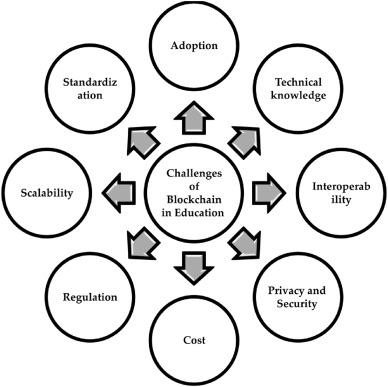
Challenges and Considerations
Although promising, implementing blockchain solutions in education does come with challenges:
- Data Privacy Laws: Ensure compliance with GDPR, FERPA, and othre legal frameworks when handling student data.
- Technical Expertise: Gaps in in-house blockchain knowledge may require external consultants or partnerships.
- Change Management: Resistance from staff or students unfamiliar with blockchain technology.
- Standardization: Lack of global protocols for credentialing across international borders or institutions.
First-hand Experience: Insights from Early Adopters
“Since rolling out blockchain for credentials verification,our administrative workload decreased by 30%,and graduate satisfaction with the process has never been higher. Employers tell us they prefer the simplicity and fraud-resistance compared to paper or PDF diplomas.”
– Admissions Director, European University
Early adopters emphasize these practical lessons:
- Start small, learn, and iterate rather of seeking a campus-wide launch from day one.
- Invest in user education and clear communication to foster acceptance.
- Coordinate closely with IT and compliance teams to ensure legal and technical readiness.
Conclusion: Charting the Future of Blockchain in Education
The promise of revolutionizing education with blockchain is real, and its adoption is accelerating. By ensuring data security, automating processes, and empowering learners with control over their credentials, blockchain is building trust and transparency for the next generation of educational institutions. Start small,learn from pioneers,and use this practical guide as your compass for blockchain implementation. The future of global, interconnected learning has never been brighter.
Ready to begin your blockchain journey? Explore our in-depth resources on blockchain in education and connect with leading solution providers today!