
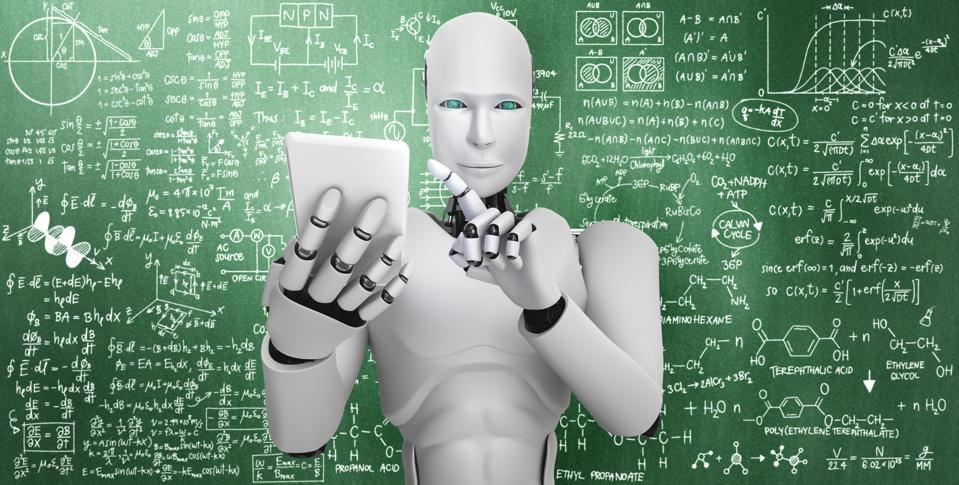
Revolutionizing Education: How AI in Classrooms Is Shaping Teaching and Learning in 2025
In 2025, the landscape of education looks vastly different than it did just a few years ago. At the heart of this transformation is the rapid integration of artificial intelligence (AI) in classrooms. Classrooms around the globe are now more engaging, inclusive, and effective—thanks to AI-powered solutions that personalize instruction, automate administrative tasks, and empower both educators and students. In this article, we explore how AI is revolutionizing education, the key benefits of its adoption, practical use cases, and what the future holds for AI-driven learning environments.
Table of Contents
- The Impact of AI in Modern Classrooms
- Top Benefits of AI in Education
- practical applications and Case Studies
- Tips for Effectively Implementing AI in Schools
- Challenges and Ethical Considerations
- The Future of Teaching and Learning with AI
- Conclusion: Embracing the AI-Driven Education Revolution
The Impact of AI in Modern Classrooms
AI in education is not just a buzzword; its a tangible force changing how lessons are taught and absorbed. From personalized learning experiences to real-time assessment and feedback, AI is opening up endless possibilities for students and teachers alike. Here’s a closer look at some of the most significant changes:
- Personalized learning paths: Adaptive learning platforms powered by AI analyze a student’s strengths, weaknesses, and learning pace to tailor instructional content specifically for them.
- Automated grading and assessment: AI dramatically reduces teacher workload by automatically evaluating assignments, quizzes, and even essays, providing instant, objective feedback.
- 24/7 tutoring and support: AI-driven chatbots serve as on-demand tutors, answering student queries at any time, and offering supplemental resources where needed.
- Data-driven decision-making: AI systems aggregate and analyze classroom data,helping educators make informed decisions about curriculum and intervention strategies.
- Inclusivity and accessibility: AI-powered tools assist students with disabilities by converting text to speech, providing real-time translations, or customizing interfaces for individual needs.
Top Benefits of AI in Education
The integration of AI in classrooms goes beyond efficiency; it delivers tangible benefits that reshape the entire educational experience.
1.Personalized Learning at Scale
No two students are the same. AI makes it possible to provide customized instruction to every learner, identifying gaps in understanding and adjusting the materials accordingly. This personalized approach helps students unlock their full potential at their own pace—something traditional classrooms struggled to achieve.
2. Time Savings for Educators
Teachers can now focus more on mentoring and less on repetitive administrative work. AI automates routine tasks—grading, attendance, data entry—freeing up valuable hours for innovative teaching and personal interactions with students.
3. Enhanced Engagement and Motivation
Gamified AI learning tools and interactive digital textbooks captivate students,making lessons more immersive and enjoyable. When students are genuinely engaged, academic results improve.
4. Early Detection and Intervention
AI-powered analytics can identify students at risk of falling behind. By spotting patterns in performance data, educators can intervene sooner, offering extra support or creating targeted interventions.
5. Bridging Learning Gaps Worldwide
AI technology bridges geographical and language barriers. With translation tools and customizable content, learners across the world access quality education tailored to their needs, promoting global educational equity.
Practical Applications and Case Studies
Let’s dive into real-world examples where AI in classrooms is actively shaping teaching and learning in 2025:
case Study 1: Adaptive Learning Platforms in Action
A leading high school in Singapore implemented an AI-powered adaptive learning system for mathematics. Within a year, student test scores improved by 18%. The system provided personalized quizzes, step-by-step feedback, and automatic lessons tailored to each student’s proficiency level.
Case Study 2: Smart AI Tutors Boosting Language Skills
In Madrid, a middle school integrated an AI-based language learning tutor, wich provided instant grammar corrections and pronunciation guidance. teachers reported a 25% increase in student conversation confidence and fluency.
Case Study 3: Inclusive Classrooms with AI Accessibility Tools
A public school district in California leveraged AI to support students with dyslexia and visual impairments. Text-to-speech tools, smart note summarizers, and real-time content adjustments helped struggling students thrive alongside their peers.
First-Hand Experience: Voices from Educators and Students
“With AI handling administrative tasks, I finally have extra time to plan creative lessons and give students the attention individual learning deserves.”
— Mrs. S.Oliveira, 7th Grade Science Teacher
“The AI chatbot on our school’s platform helped me prep for my exams at night when my parents were at work. It explains things in a way I understand!”
— Jayden Lee, 10th grade Student
Tips for Effectively Implementing AI in Schools
To fully harness the power of AI in classrooms, educational leaders should consider the following best practices:
- Assess readiness: Evaluate your school’s infrastructure, digital literacy, and staff openness to technological integration before rolling out AI initiatives.
- Start with pilot projects: Test AI applications in specific subjects or grade levels,gather feedback,and refine implementation before scaling up.
- Prioritize professional advancement: Invest in continuous training for teachers, ensuring thay are confident and competent using AI tools effectively.
- Choose ethical and explainable AI: Opt for AI systems that are transparent, respect data privacy, and avoid biased algorithms.
- Engage students and parents: Involve stakeholders early, address concerns, and demonstrate how AI enhances—not replaces—human teaching.
Challenges and Ethical Considerations
While AI in education offers remarkable benefits, it’s crucial to recognize and address potential challenges:
- privacy and security concerns: Storing and processing sensitive student data requires robust safeguards against breaches and misuse.
- Algorithmic bias: AI systems can unintentionally perpetuate social or cultural biases present in their training data, leading to unfair outcomes.
- Dependence on technology: Overreliance on AI tools may risk diminishing essential human skills, such as empathy and critical thinking.
- Digital divide: Not all schools have equal access to the resources and devices required to implement AI-powered solutions.
It’s essential for educators and policymakers to address these issues proactively, ensuring that the deployment of AI in classrooms supports equitable and ethical education for all.
The Future of Teaching and Learning with AI
Looking ahead, AI in classrooms will become even more complex. In 2025 and beyond, we can expect:
- Hyper-personalized learning journeys, adapting not only to academic needs but also to emotional and social dynamics.
- Collaborative AI-human lesson planning, where teachers co-design with AI to map out the most effective instructional strategies.
- VR and AR integration for truly immersive, experience-driven learning that transcends physical classroom limitations.
- AI mentors and career guidance counselors that help students navigate the rapidly changing job market and develop skills for the future economy.
instead of replacing educators, artificial intelligence in education serves as a powerful ally, enhancing human abilities and making learning more meaningful, accessible, and exciting.
Conclusion: Embracing the AI-Driven Education Revolution
The integration of AI in classrooms in 2025 isn’t just an upgrade—it’s a revolution. By transforming teaching methods, personalizing learning experiences, and empowering both students and educators, AI is shaping a brighter future for education.As we continue to innovate responsibly, the partnership between teachers, learners, and technology will unlock new possibilities, inspire lifelong learning, and prepare students to thrive in an ever-evolving world. The era of AI in education has truly arrived—and it’s only just beginning.