
Revolutionizing Education: How AI Will Transform Classrooms and Learning in 2025
The future of education is already unfolding before our eyes. As technology advances at lightning speed, artificial intelligence (AI) is rapidly becoming a game-changer in how teachers instruct and students learn. By 2025, AI-powered learning tools and smart classroom innovations promise to revolutionize conventional education, shifting the focus from standardized teaching to personalized learning experiences. In this article, we’ll explore how AI will reshape classrooms, highlight its benefits, real-world applications, and offer tips on embracing AI-driven education.
Understanding AI in Education: The Basics
Artificial Intelligence (AI) refers to the simulation of human intelligence by computer systems.In the context of education, AI encompasses a range of digital tools, algorithms, and applications designed to enhance teaching and learning processes. Thes include adaptive learning platforms, intelligent tutoring systems, automated grading, and predictive analytics.
- Personalization: Tailoring lessons and assignments to individual student needs.
- Automation: Reducing repetitive tasks for teachers, allowing them to focus on high-value interactions.
- Data-driven Insights: Helping educators make informed decisions through real-time analytics.
By leveraging AI,both educators and students benefit from more engaging,efficient,and effective learning environments.
The Key Benefits of AI-Powered Education
1.Personalized learning Experiences
AI enables the creation of customized learning pathways for each student. Adaptive platforms assess individual strengths and weaknesses, recommending targeted lessons, exercises, and assignments that match students’ unique learning styles and paces.
- Real-time feedback helps students address misconceptions quickly.
- Intelligent content recommendations keep learners motivated and challenged.
- Supports diverse learning needs, including gifted students and those with learning disabilities.
2. Enhanced Teacher Effectiveness
Teachers gain powerful tools to optimize their work.AI-driven analytics monitor student progress, identify at-risk learners, and automate administrative tasks.
- Automatic grading saves time on assessments.
- Dashboards highlight trends in classroom engagement and performance.
- Instant alerts for students who need additional support.
3. Engaging, Interactive Learning Environments
AI fosters creativity and curiosity in the classroom through immersive experiences like virtual reality simulations, intelligent gamification, and chatbot tutors.
- Enables hands-on learning with interactive 3D models and simulations.
- Gamified lessons increase motivation and encourage healthy competition among students.
- AI tutors provide instant answers to student questions, supporting self-paced exploration.
AI Applications in Modern Classrooms: Case Studies
Case Study 1: squirrel AI in China
Squirrel AI, one of chinas leading EdTech companies, uses adaptive algorithms to create tailored learning plans for millions of students. according to Forbes, Squirrel AI’s platform decreases the time required for mastery by up to 50% while improving test scores. Teachers are empowered to manage larger groups with greater effectiveness,using AI insights to guide interventions.
Case Study 2: Duolingo’s Language Learning AI
Duolingo—a global language learning platform—integrates machine learning to predict how likely learners are to forget specific words, adjusting review schedules accordingly.AI-driven exercises adapt to individual progress,resulting in higher retention rates compared to traditional methods.
Case Study 3: AI-Powered Adaptive Assessment at Georgia Tech
Georgia Institute of Technology employs AI to personalize assessments, allowing students to progress at different speeds. This data-centric approach has reduced dropout rates and increased student satisfaction in online computer science courses.
From Theory to Practice: First-Hand Experiences
Teachers and students worldwide are already experiencing the positive impact of AI-driven education. Here are some direct observations from classrooms on the front lines:
“AI-powered gradebooks have dramatically reduced my workload. Now, I spend more time mentoring students rather than grading papers.”
— Maria Lopez, High School Teacher, Texas
“The adaptive learning app recommended exercises I actually enjoyed, and I improved my math scores in just one semester!”
— Jalen, Middle School Student, London
These first-hand experiences highlight how AI not only improves efficiency but also heightens engagement and learning satisfaction.
Practical Tips for Implementing AI in Education
- Start with Pilot Programs: Identify subjects or grade levels that could benefit most from AI tools, and start small to refine solutions before widespread adoption.
- Prioritize Data Privacy: Ensure all AI-driven platforms comply with data protection regulations and secure sensitive student details.
- foster Teacher Training: Equip educators with resources and professional growth on how to use and interpret AI tools effectively.
- Engage Stakeholders: involve students, parents, and community leaders early to cultivate buy-in and address concerns transparently.
- Measure and Adjust: Use analytics to monitor impact, continuously iterating on teaching strategies for maximum effectiveness.
Challenges to Anticipate When Integrating AI
while the benefits of AI in education are undeniable,some challenges must be addressed to ensure successful implementation:
- equity and Access: Bridging the digital divide to ensure that all students have access to AI-enhanced learning.
- Ethical Considerations: Addressing biases in AI algorithms that may unintentionally disadvantage certain learners.
- Human Connection: Maintaining meaningful teacher-student relationships in a technology-rich habitat.
- Continuous Adaptation: Staying ahead of rapid technological changes and updating curricula accordingly.
Schools and policymakers must work collaboratively to develop clear guidelines and strategies for overcoming these obstacles.
The Road Ahead: What Will Classrooms Look Like in 2025?
as we look toward 2025, the integration of AI in education is poised to deliver dynamic, student-centric classrooms that foster lifelong learning and adaptability. Expect to see:
- AI-powered virtual tutors guiding students through complex problems in real time.
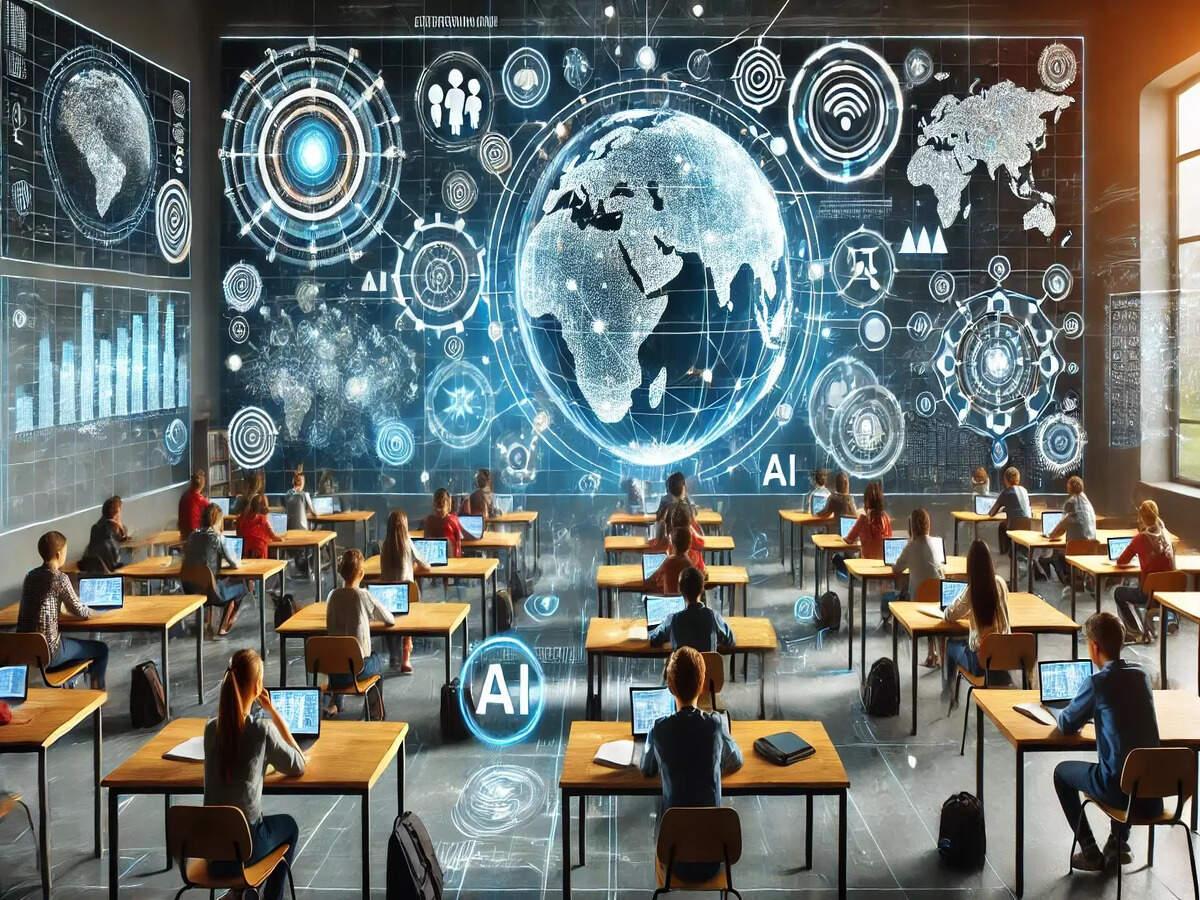
- Smart classrooms with interactive boards that respond to voice commands and learning preferences.
- Instant translation services supporting multicultural and multilingual learning environments.
- Automated lesson planning allowing teachers to focus on creativity and personal mentorship.
- Seamless collaboration between global classrooms, breaking down barriers to knowledge sharing.
The possibilities are limitless, but the central mission remains: empowering every learner to reach their fullest potential.
Conclusion: Embracing the AI-Driven Education Revolution
Artificial Intelligence is not just a passing trend—it’s the cornerstone of a new educational era.By 2025, AI will help teachers unlock deeper insights, personalize instruction, and create immersive experiences that prepare students for a rapidly changing world. While challenges exist, thoughtful implementation and ongoing collaboration will pave the way for equitable, meaningful, and effective learning for all.
If you’re an educator, student, or parent, now is the time to explore, experiment, and embrace the transformative power of AI in education. Let’s shape a smarter, more inclusive future—together.