
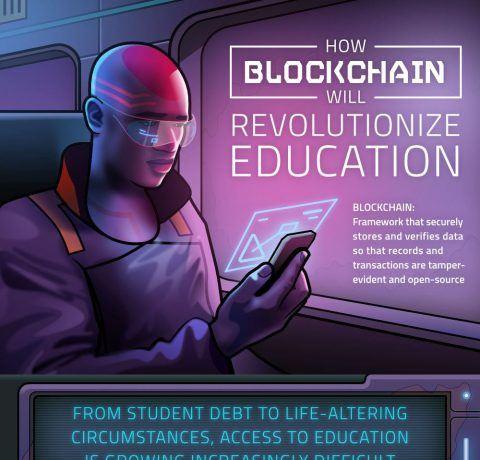
Revolutionizing Education: How Implementing Blockchain Enhances Security and Transparency in educational Institutions
The digital change in education shows no signs of slowing down. As online learning, digital credentials, and data-driven management become mainstream, educational institutions are seeking innovative ways to ensure their digital processes remain secure, obvious, and trustworthy.
Blockchain technology in education is emerging as a game-changer—offering robust solutions to safeguard records, eradicate credential fraud, and foster a culture of accountability. In this article, we explore how implementing blockchain is revolutionizing the education sector by substantially enhancing security and transparency.
What is Blockchain? A brief Overview for Educators
Blockchain is a decentralized digital ledger technology that securely records transactions or data in a tamper-proof and transparent way. Each record—called a ”block”—is linked (chained) to the previous one,making it almost unachievable to alter past entries without detection.
- Decentralization: Unlike traditional databases managed by central authorities, blockchain distributes data across multiple nodes, reducing the risk of data tampering.
- Immutability: Once data is recorded,it cannot be altered without consensus from the network,ensuring integrity.
- Transparency: Transactions are visible to authorized parties, promoting trust among stakeholders.
These core features make blockchain an ideal technology for educational institutions seeking to eliminate security loopholes and bring more transparency to their operations.
The Current Challenges: Why the Education Sector Needs blockchain
Modern education systems are grappling wiht several challenges that hinder efficient and secure processes:
- Credential Fraud: Fake diplomas and certificates are alarmingly common, undermining the value of legitimate qualifications.
- Data Security: Sensitive student information is a prime target for cyberattacks and data breaches.
- inefficient Verification: Manually verifying transcripts and certificates is time-consuming and costly for employers, academic institutions, and students alike.
- Lack of Process Transparency: Limited visibility often leads to disputes regarding exam results, admissions, and administrative decisions.
Blockchain offers practical solutions to all these pain points by ensuring data is secure, verifiable, and immutable.
Key Benefits of Blockchain in Education
Adopting blockchain in educational institutions brings forth multiple benefits that enhance both security and transparency.
1. Secure and Tamper-Proof Academic Records
Blockchain enables institutions to store academic records, transcripts, and certificates on an immutable ledger. This ensures that documents are:
- Authentic – Impossible to fake or alter without consensus.
- Verifiable – Employers or other institutions can instantly verify credentials online, reducing administrative bottlenecks.
- Permanent – Records cannot be lost or destroyed due to physical disasters or human error.
2. Enhanced Data Privacy and Ownership
With blockchain, students have full control over their personal and academic data. They can grant or revoke access to their records as needed, in compliance with data privacy regulations such as GDPR.
3. Improved Transparency and Accountability
Every action recorded on the blockchain is traceable. whether it’s administrative decisions, assessment grading, or certificate issuance, all stakeholders can access time-stamped proof of activities.
- minimizes disputes over grades and admissions decisions.
- Promotes trust among students,faculty,and employers.
4. Streamlined Administrative Processes
Blockchain automates and simplifies record-keeping, reducing manual paperwork and related costs. Smart contracts can automate admission processes, fee payments, or scholarship awards, ensuring timely and accurate execution of institutional policies.
How Blockchain Enhances Security in Educational Institutions
The security matrix of an educational institution is onyl as strong as its data safeguards.Here’s how blockchain impacts security in the education sector:
- Decentralized Data Storage: By storing records across a network, blockchain eliminates single points of failure and reduces vulnerability to hacks or ransomware attacks.
- Cryptographic Protection: All data on the blockchain is protected by advanced cryptographic hashing, making unauthorized access or tampering nearly impossible.
- immutable Audit Trails: Every transaction or change is recorded permanently, creating a transparent audit trail for compliance and accountability.
- Verifiable Identities: Digital identities on the blockchain are secure, protecting against identity theft and fraudulent enrollments.
from safeguarding student data to preventing certificate forgery, blockchain raises the bar for educational security.
Real-world Case Studies: Blockchain Transforming Education
- MIT Media Lab’s Digital Diplomas: In 2017, the Massachusetts Institute of Technology (MIT) pioneered the issuance of blockchain-based digital diplomas. Graduates received verifiable digital certificates that employers could authenticate instantly, eliminating fraud.
- The University of Nicosia, Cyprus: This institute became one of the first to leverage blockchain for storing academic certificates and transcripts, allowing global employers to verify qualifications seamlessly.
- Sony Global Education: sony has developed a blockchain-based educational platform that allows students’ academic achievements to be securely and efficiently shared among institutions.
These real-world implementations demonstrate the tangible impact blockchain can have on improving educational transparency and security.
Practical tips for Implementing Blockchain in Educational Institutions
- Evaluate Needs and Use Cases: Identify areas—such as credentialing, identity management, or admissions—where blockchain can add the most value.
- Choose the Right Platform: Opt for reputable blockchain providers or solutions tailored for the education sector, ensuring data privacy compliance.
- Pilot Small-scale Projects: Start with manageable implementations like digital diplomas or transcript verification before scaling up.
- Engage Stakeholders Early: involve IT teams, faculty, students, and employers throughout the planning process to promote adoption and address concerns.
- Ensure Legal and Regulatory Compliance: Adhere to national and international data protection laws when storing or sharing student data on the blockchain.
- Invest in Training: prepare staff and students through workshops or training about blockchain’s capabilities, benefits, and security features.
First-Hand Adoption Experience: Insights from an early Adopter
Consider the story of a mid-sized European university that integrated blockchain for issuing degree certificates.Initially, both staff and students were apprehensive about the shift. However, after launching a pilot:
- Administrative verification time for certificates dropped by over 85%.
- Graduates appreciated having control over their digital credentials, swiftly sharing them with employers worldwide.
- The university’s reputation improved as external organizations recognized the credibility of its blockchain-secured records.
This hands-on experience highlights that while adoption may require an initial learning curve, the long-term benefits of blockchain in educational security and transparency far outweigh the inconveniences.
Looking Ahead: The Future of Blockchain in Education
As educational ecosystems become increasingly digital and interconnected, blockchain is poised to play a pivotal role. Its ability to greatly increase security and transparency in education addresses many of the sector’s enduring challenges. Future possibilities include:
- Global standardized digital transcripts viewable by any accredited institution.
- Automated scholarships and tuition fee processing via smart contracts.
- Secure sharing of lifelong learning achievements and micro-credentials across professional networks.
By embracing blockchain, educational institutions can future-proof their systems and build lasting trust with students, parents, and stakeholders.
conclusion
Blockchain technology is no longer a distant dream for the education sector—it’s a present-day reality transforming how academic records are managed, shared, and verified. By delivering unparalleled security, transparency, and efficiency, blockchain empowers educational institutions to stay ahead in a digital-first world. Thoughtfully implemented, blockchain can eradicate credential fraud, secure sensitive data, and streamline student services, ultimately raising the standard of trust and quality in education globally.
For forward-thinking educational leaders,now is the opportune moment to explore blockchain’s transformative potential and lead the way towards a safer,more transparent academic future.