
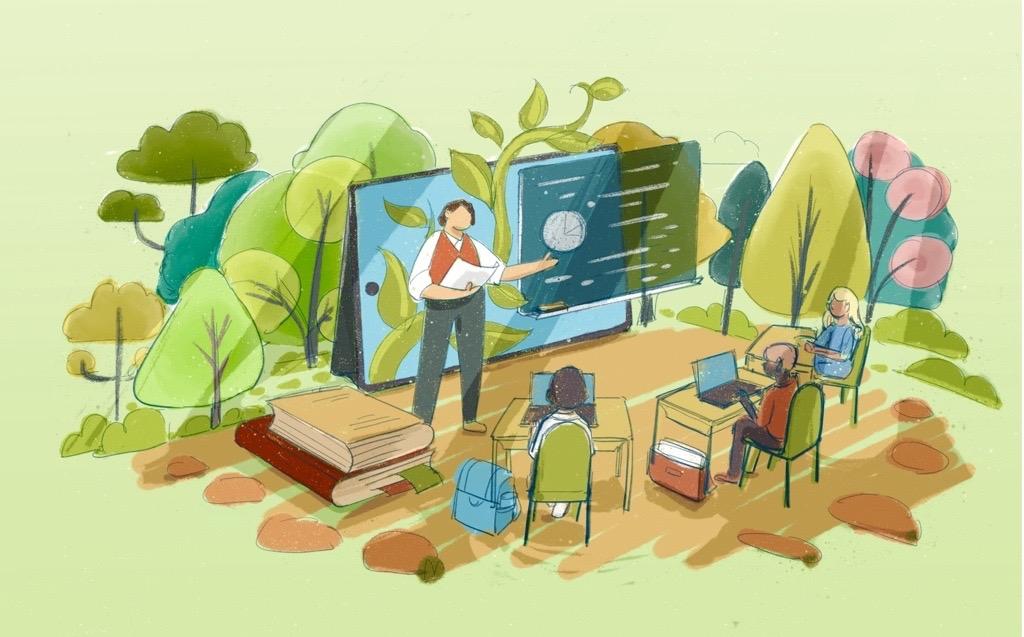
Revolutionizing Education: How Sustainable Technologies Are Transforming Educational Settings
Education is experiencing a groundbreaking shift as sustainable technologies take center stage in transforming how students learn, educators teach, and institutions operate. As environmental consciousness grows globally, schools and universities are leveraging innovative green technologies to create eco-friendly learning environments, foster social obligation, and advance academic outcomes. In this complete article,we’ll explore how sustainable technologies are revolutionizing education,the remarkable benefits they offer,real-life case studies,and practical tips for adopting these innovations in your educational setting.
Why Sustainability Matters in Education
The integration of sustainability in education is no longer just an ethical consideration—it’s a necessity.Educational institutions are among the largest consumers of energy, water, and resources. By embracing sustainable solutions, schools are uniquely positioned to:
- Reduce their environmental footprint
- Model responsible behavior for students
- Create healthier and more engaging learning environments
- Lower operational costs through energy and resource efficiency
- Prepare future leaders committed to sustainability
As students increasingly seek institutions with strong sustainability values, adopting sustainable education technologies becomes both a practical and strategic move.
Key Sustainable Technologies Transforming Educational settings
The wave of green technologies in education encompasses a diverse range of tools and initiatives. Below, we highlight the most impactful innovations reshaping learning environments.
1. Renewable Energy Systems
- solar Panels: Many schools now utilize rooftop or ground-mounted solar panels to generate clean energy, cutting electricity costs and carbon emissions.
- Wind Turbines: Some campuses install small-scale wind turbines, supplementing their energy needs sustainably.
- Geothermal Heating and Cooling: Using the earth’s natural heat for climate control, these systems create cozy classrooms while saving energy.
2. Smart, Energy-Efficient School Buildings
- LED Lighting and Automation: High-efficiency lighting coupled with automatic sensors dramatically reduces energy usage and maintenance costs.
- Green Roofs and Walls: Living vegetation on roofs or walls insulates buildings, manages rainwater, and improves air quality.
- Sustainable Building Materials: Using recycled, non-toxic, and locally sourced materials promotes environmental health and reduces waste.
3.Digital Learning Platforms
- Cloud-based Resources: Digital textbooks, virtual labs, and e-learning platforms curtail paper use and make educational content widely accessible.
- Paperless Administration: Digital admissions, grading, and communications save resources and streamline school management.
4. Water Conservation Technologies
- Smart Irrigation systems: Automatically adjusting water usage based on whether and soil conditions, these systems conserve water on campus grounds.
- Rainwater Harvesting: Collecting and repurposing rainwater for non-potable uses reduces consumption and utility costs.
5. Waste Reduction Solutions
- Comprehensive Recycling Programs: Easily accessible sorting bins and educational initiatives embed a culture of recycling in schools.
- Composting: Organic cafeteria waste is transformed into nutrient-rich compost for campus gardens.
- 3D Printing with Recycled Plastics: Innovative makerspaces utilize recycled materials for educational projects and reduce waste.
Benefits of Sustainable Technologies in Education
Adopting sustainable technologies in schools offers tangible and far-reaching benefits for students, educators, and communities, including:
- Healthier Learning Environments: Improved air and water quality, natural lighting, and non-toxic materials foster student well-being and concentration.
- Lower Operating Costs: Reduced energy and resource consumption translates into important savings that can be reinvested into educational programs.
- Hands-on STEM Learning Opportunities: On-site renewable energy systems, gardens, and recycling stations become real-life laboratories for science, technology, engineering, and math education.
- Social Responsibility: Students learn about environmental stewardship and civic responsibility through daily practice,preparing them for the future.
- Enhanced School Reputation: Schools showcasing strong sustainability commitments attract environmentally aware students, teachers, and partners.
Case Studies: Real-world Examples of Green Technologies in Education
Case Study 1: Green School Bali (Indonesia)
The Green School Bali is internationally acclaimed for its bamboo architecture, off-grid renewable energy systems, and eco-centered curriculum. Students engage in hands-on sustainability projects, from permaculture gardening to monitoring solar panel output, making environmental stewardship a lived experience.
Case Study 2: Boston Latin School (USA)
As part of the Greenovate Boston Schools initiative, Boston Latin School retrofitted its lighting, upgraded HVAC systems, and launched student-led recycling and composting programs. These changes reduced energy costs by 30% and inspired a city-wide commitment to green learning environments.
Case Study 3: University of British Columbia (Canada)
UBC’s Vancouver campus integrates geothermal heating and cooling,rainwater harvesting,LEED-certified buildings,and zero-waste dining. Campus-wide sustainability initiatives are included in the curriculum, involving students directly in environmental research and sustainable campus operations.
Practical Tips for Integrating Sustainable Technologies in Your School
Ready to create a sustainable educational surroundings? Here are actionable tips for administrators, educators, and facility managers:
- Start with an Energy Audit: Assess your energy usage and identify areas were sustainable technologies can have the most impact.
- Leverage Local Partnerships: Collaborate with local governments, businesses, and NGOs for funding, expertise, or resources for green upgrades.
- Engage Your Community: Involve students, staff, parents, and community members in planning and implementing sustainability initiatives for stronger buy-in.
- Pilot Projects First: Start small with pilot projects—such as a classroom solar kit, digital learning pilot, or composting program—before scaling school-wide.
- Integrate Sustainability into the Curriculum: Use campus features—like solar panels or gardens—as teaching tools for science,math,and social studies.
- Monitor and Share Your Progress: Track energy savings, waste reduction, and other results. Celebrate milestones and share them to inspire others.
First-hand Experience: Teacher Insights on Going Green
“Since our school invested in solar panels and digital textbooks,our students not only learn about sustainability—they experience it daily. Each class session presents hands-on learning opportunities. Our science lessons include real-time solar data, while digital devices let us access up-to-date and diverse resources without the environmental impact of traditional textbooks.”
– Sarah M., High School Science Teacher
Challenges and Considerations in Adopting Sustainable Technologies
While the benefits are substantial, schools may face hurdles including upfront costs, lack of expertise, and resistance to change. Solutions include:
- Seeking grant funding and public-private partnerships for initial investments
- Providing teacher training and ongoing support for new technologies
- Creating a culture of sustainability through awareness campaigns and student involvement
The Future: Sustainability as a Cornerstone of Education
As sustainable technologies in education continue to evolve, their role in shaping healthy, resource-efficient, and inspiring places to learn will only grow. With climate change and environmental degradation at the forefront of global concerns,schools embracing green technologies are not just preparing students for academic success—they’re equipping them to lead a sustainable future.
Conclusion
The movement toward sustainable educational environments is more than a passing trend—it’s a transformative approach that redefines how we think about schools and learning. By integrating green technologies in education, we foster responsible citizenship, stimulate innovation, and create thriving academic spaces for generations to come. Whether you’re an educator, administrator, or parent, now is the perfect time to champion sustainable change in your educational community.
Ready to transform your learning environment? Start small, dream big, and join the revolution—as the future of education is green.