
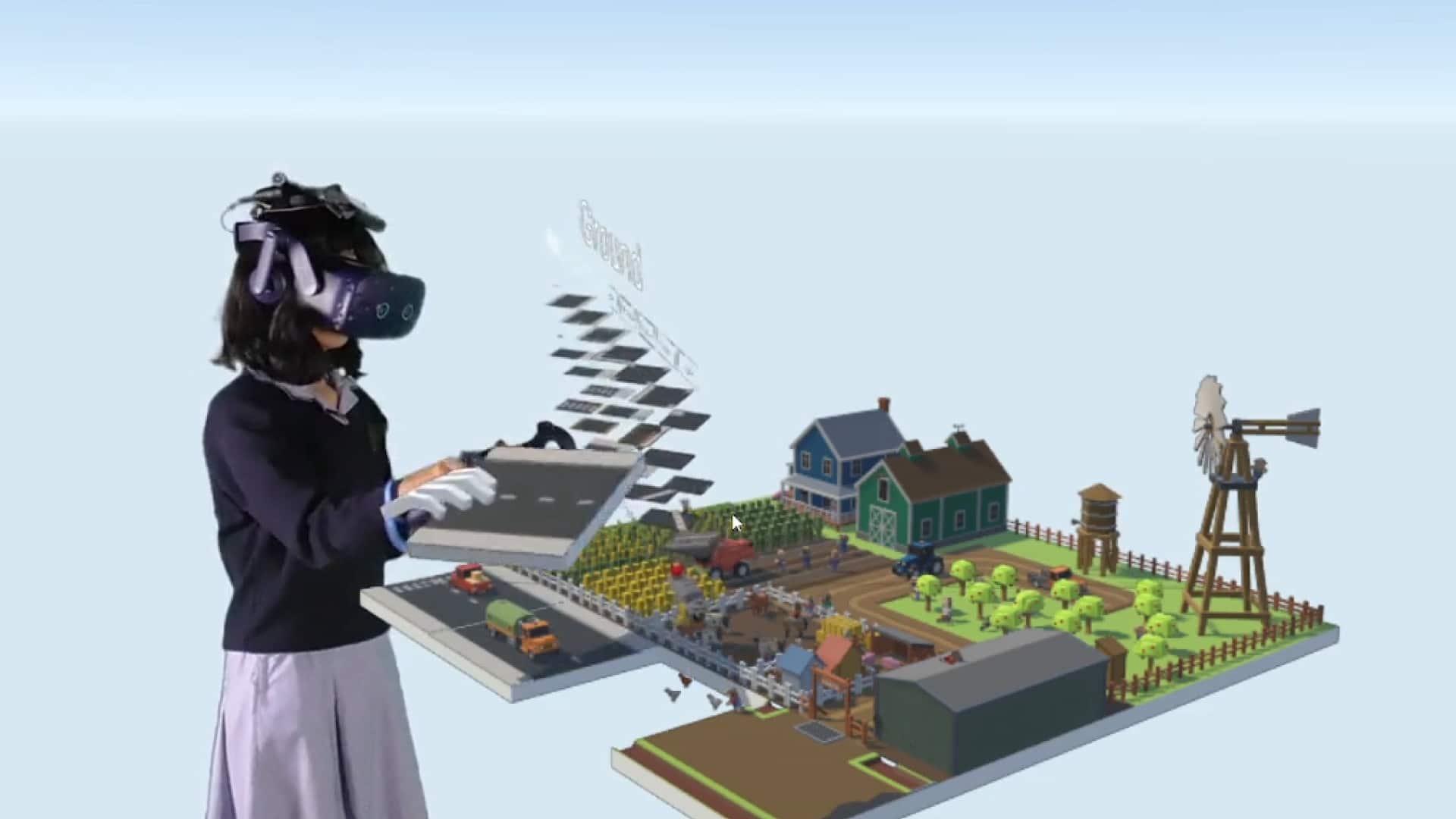
Revolutionizing Education: How VR and AR Are Powering Immersive Learning in the Classroom
Technology has always played a crucial role in modernizing education. Today,Virtual Reality (VR) and Augmented Reality (AR) are at the forefront,bringing a new era of immersive learning experiences to classrooms worldwide. As educators seek innovative ways to boost engagement and comprehension, VR and AR technologies are proving to be powerful tools that redefine how students learn, interact, and explore. In this article, we’ll delve into how thes groundbreaking technologies are revolutionizing education, offering practical insights, real-world examples, and tips for seamless integration into the classroom.
Understanding Immersive learning: the Role of VR and AR in Education
Immersive learning leverages technology to create engaging environments where students actively participate in their education. VR in education uses computer-generated simulations to offer lifelike experiences, while AR in education overlays digital content onto the real world. Both technologies serve as potent tools for making learning more interactive, engaging, and memorable.
What is Virtual Reality (VR)?
- Complete immersion: VR headsets transport students into fully simulated environments, whether it’s the depths of the ocean or ancient civilizations.
- Interactive scenarios: VR enables direct interaction, turning abstract concepts into tangible experiences.
- Popular devices: Oculus Quest, HTC Vive, Google Cardboard
What is Augmented Reality (AR)?
- Enhanced reality: AR overlays digital facts – images, objects, animations – onto the real world using smartphones, tablets, or AR glasses.
- Accessible technology: Tools like MERGE Cube and apps like Google Expeditions make AR affordable and easy to implement.
- Seamless integration: AR can turn textbooks, posters, or lab equipment into interactive 3D models.
Benefits of Immersive Learning in the Classroom
The adoption of VR and AR in classrooms is more than a trend—it’s a transformative movement reshaping student engagement and educational outcomes. Here are the key advantages of bringing immersive learning to your school:
- Increased student engagement: Interactive simulations and real-world scenarios captivate attention, making learning enjoyable.
- Deeper understanding of complex subjects: Visualizing abstract or challenging concepts in 3D leads to better comprehension and retention.
- Encouraging collaboration and creativity: Shared VR/AR experiences foster teamwork, creativity, and problem-solving skills.
- Safe experiential learning: Conduct science experiments, field trips, or even practice surgical procedures—all in a safe virtual environment.
- Personalized learning pace: Students revisit and practice lessons at their own speed, promoting mastery and confidence.
- Accessibility and inclusivity: VR and AR can cater to different learning styles, special needs, and language barriers.
Real-World Applications: Case Studies in VR and AR Education
1. Expeditions into History with Google Expeditions
Schools across the globe use Google Expeditions to transport students to ancient landmarks, outer space, and inside the human body—all from their classroom seats. Rather of reading about the pyramids of Egypt, learners can walk through them virtually, fostering curiosity and connection.
2.Dissecting in 3D: Science Comes Alive
Companies like Froggipedia offer AR solutions for biology classes. Students explore frog anatomy in 3D, conducting virtual dissections without the ethical dilemmas or mess, while retaining all the hands-on benefits.
3. Global Connections with Virtual Reality
A middle school in California connected with students in Japan using VR field trips. Together, thay explored each other’s cities and cultures in real-time, breaking down barriers and sparking global awareness.
4. Special Education Empowerment
AR apps like Quiver and CoSpaces Edu have been transformative for students with autism and learning disabilities.Interactive environments provide sensory-amiable, customizable experiences that support individual learning needs.
First-Hand Experiences: Voices from the Classroom
“When my students put on VR headsets for the first time and started exploring ancient Rome, the excitement was palpable. They asked more questions, collaborated, and even created their own virtual tours. History came alive in a way no textbook ever could.”
— Laura M., 7th Grade Social Studies Teacher
“Using AR flashcards in our language classes resulted in better vocabulary retention and more enthusiasm for learning. Students loved the interactive animations and kept practicing long after class was over.”
— Simon P., High School Language Teacher
Practical Tips: Integrating VR and AR in the Classroom
Ready to bring immersive learning into your school? Here are tried-and-tested tips for successful implementation:
- Start with pilot projects: Test VR and AR lessons in a few classes before scaling up. Gather feedback from teachers and students.
- Choose scalable, curriculum-aligned solutions: select platforms that fit your subjects and educational standards.
- Invest in affordable hardware: Options like Google Cardboard or smartphones make VR and AR adoption accessible for most budgets.
- Professional development: Train teachers to ensure confidence and creativity in using immersive tech.
- Blend with traditional methods: Use VR and AR as supplements, not replacements, for proven teaching techniques.
- Ensure digital safety and well-being: Set time limits and monitor student interaction to prevent motion sickness or eye strain.
- Seek student input: let learners help choose or even design AR/VR experiences for topics that excite them.
Popular VR and AR Tools for Classrooms
- Google Expeditions: Virtual field trips across the world, history, and space.
- CoSpaces Edu: A creative platform for students to build and code their own virtual environments.
- Mondly VR: Language learning in real conversational settings.
- Merge Cube: Handheld 3D objects students can explore with a tablet or VR headset.
- zSpace: Immersive STEM lessons combining AR, VR, and 3D models.
- Froggipedia: Augmented reality dissections for biology lessons.
The Future of Immersive Learning: Trends and Predictions
The future of VR and AR in education looks promising, with continuous advancements making these technologies more powerful and affordable. Some key trends shaping the next decade include:
- Personalized adaptive environments: AI-driven AR/VR lessons tailored to individual student needs and learning speeds.
- Collaborative virtual classrooms: Remote students gathering in shared VR spaces for real-time discussions and projects.
- Widened access: With investments from governments and philanthropists, more schools will bridge the digital divide and offer VR/AR to underserved communities.
- Humanized learning: Virtual mentors, cultural exchanges, and empathy-building simulations that foster social-emotional growth.
Conclusion: Embracing the Immersive Future of Education
The integration of virtual reality and augmented reality in education is more than just leveraging new gadgets—it’s about transforming the entire classroom experience. By providing immersive, interactive, and personalized learning experiences, VR and AR empower teachers to spark curiosity, passion, and collaboration among students like never before.
As schools continue to adopt these innovations, education will become even more engaging, inclusive, and effective. for educators, administrators, and parents alike, embracing VR and AR is a step toward a brighter, more immersive future of learning.