
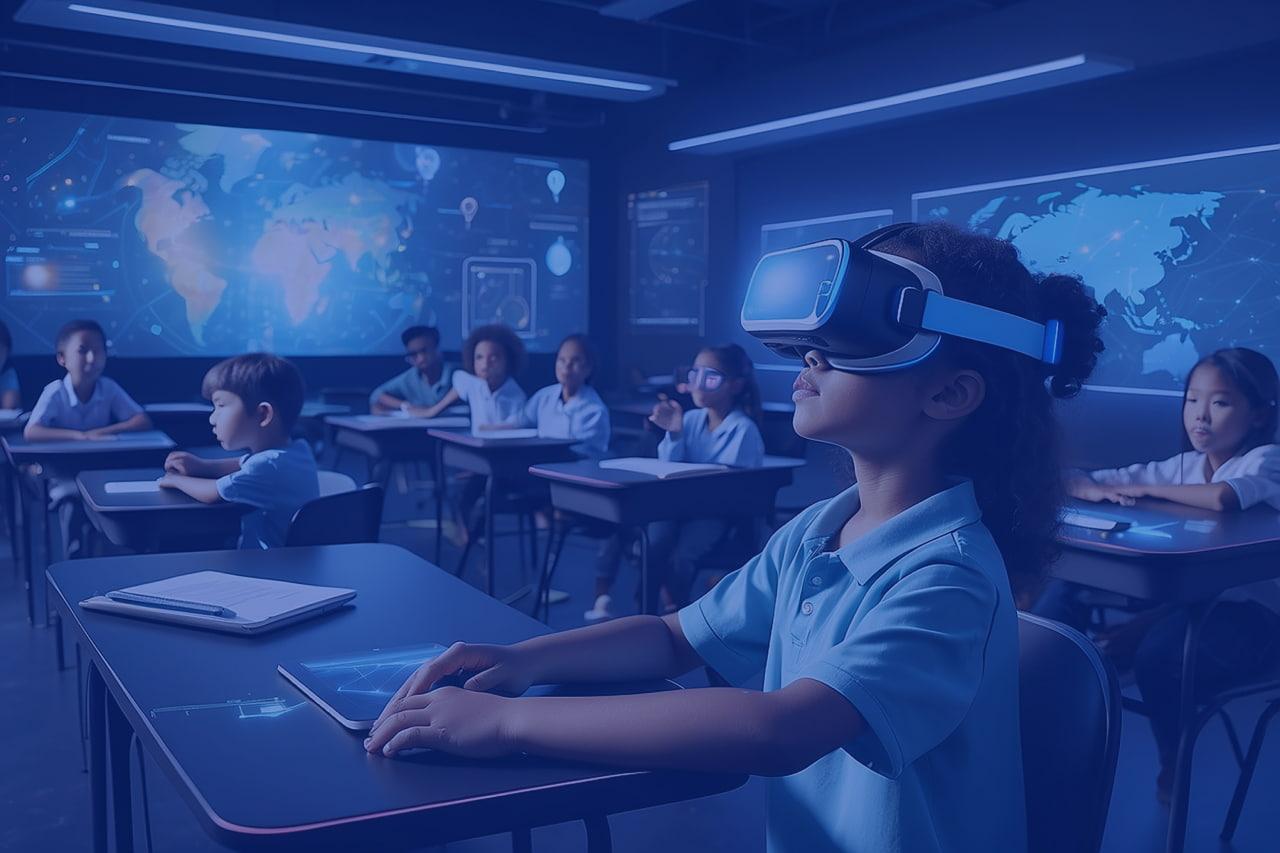
Revolutionizing Education: How VR and AR Power Immersive Learning in the Classroom
Imagine a classroom where students take virtual field trips to the Pyramids of Giza, dissect digital frogs without the mess, or collaborate in real-time with experts across the globe—all from their desks. This isn’t science fiction; it’s the rapidly-emerging reality, thanks to Virtual Reality (VR) and Augmented Reality (AR) technologies. By reshaping traditional teaching, VR and AR are revolutionizing education and empowering immersive learning experiences that engage, inspire, and prepare students for our digital world.
understanding VR and AR in the Educational Landscape
Virtual Reality (VR) is a fully immersive technology that transports the user into a computer-generated habitat,often via a VR headset. In contrast, Augmented Reality (AR) overlays digital details—such as images, video, or sounds—onto the real world, typically through smartphones, tablets, or AR glasses. Both technologies are driving immersive learning in the classroom, blurring the boundaries between theoretical and hands-on experiences.
- VR in Education: Offers interactive 3D environments for simulations, virtual tours, and skill development.
- AR in Classrooms: Enhances textbooks and handouts with interactive graphics, animations, and real-time data overlays.
The Many Benefits of immersive Learning With VR and AR
Immersive technologies are much more than novelties—research consistently highlights the profound impact of VR and AR on student learning.
Key Advantages include:
- Boosted Engagement: Interactive lessons captivate students and foster curiosity, increasing motivation and classroom participation.
- Enhanced Knowledge Retention: Studies show students retain information better when they experience it firsthand in a virtual environment.
- personalized Learning: VR and AR content can be tailored to different learning speeds and styles, supporting inclusive education.
- Safe and Risk-Free Exploration: Enables practise and experimentation in simulated environments, from chemistry labs to historical battlefields, without real-world risks.
- Global Connectivity: Breaks down barriers by allowing students to interact with peers and experts worldwide, or even undertake global expeditions.
- Cost and Resource Efficiency: Reduces the need for expensive lab equipment, travel, or physical materials by providing realistic digital alternatives.
“Immersive learning solutions using AR and VR are shaping the classroom of tomorrow—making education more engaging, effective, and equitable for all learners.”
Real-World Case Studies: VR and AR in Action
Case Study 1: Virtual Field Trips with Google Expeditions
Schools globally have harnessed Google Expeditions to teleport students to the Amazon rainforest, Mars, or even inside the human circulatory system. one elementary school in California reported an 80% increase in engagement for science lessons after using VR-based field trips, making abstract scientific concepts tangible and unforgettable.
Case Study 2: Interactive Biology Lessons Using AR
The MondlyAR language app and zSpace platforms enable students to interact with 3D biological models. Teachers at a high school in Sweden saw significant improvements in students’ understanding of human anatomy, as learners could manipulate digital organs, zoom in on tissues, and view animations of physiological processes—all within the classroom.
Case Study 3: VR for Special Needs Education
At a UK special education centre, VR simulations helped autistic students practice social scenarios, from ordering food to asking for directions, building confidence and life skills in a supportive, controlled environment. Educators reported marked improvements in social interaction and emotional resilience.
best Practices and Practical Tips for Implementing VR and AR in classrooms
Adopting immersive learning technologies needn’t be daunting. Here’s how you can effectively integrate VR and AR into your daily educational practice:
1.Start Small and Scale Up
- Begin with free or low-cost AR educational apps before investing in dedicated VR hardware.
- Test VR experiences in small groups or during after-school clubs to gather feedback and showcase benefits.
2. Focus on Curriculum Alignment
- Select AR/VR resources that map directly to syllabus objectives and enhance, rather than replace, traditional teaching methods.
- Create lesson plans that blend digital and real-world activities for a balanced approach.
3. Engage and Train Educators
- Offer hands-on training for teachers,emphasizing both the technical and pedagogical aspects of immersive learning.
- Encourage sharing of best practices and success stories among staff members or through online educator communities.
4. ensure Accessibility and Inclusivity
- Choose technologies with adjustable settings (font sizes, narration, etc.) to accommodate diverse learners.
- Consider device sharing plans to maximize access, especially in resource-constrained environments.
5. Prioritize Digital Safety and Wellness
- Balance screen time by scheduling breaks and fostering mindful use of immersive technologies.
- Follow age-appropriate guidelines for VR/AR use to ensure student safety and comfort.
Challenges and Considerations
While the benefits of immersive learning are compelling, there are hurdles to consider:
- Cost and Infrastructure: VR headsets and AR-enabled devices can be expensive.Schools may need grants, fundraising, or phased rollouts.
- Technical Training: Educators need ongoing technical and pedagogical support to fully harness these technologies.
- Content Quality: Not all VR and AR content is created equal—choose reputable, curriculum-aligned resources.
- Physical Side Effects: prolonged VR use can occasionally cause motion sickness or eye strain. set time limits and monitor student well-being.
Addressing these challenges collectively—by engaging stakeholders,investing in training,and focusing on long-term value—can unlock the full potential of VR and AR in education.
First-Hand Experience: A Teacher’s Perspective
“My 6th-grade students were struggling with ancient history until our school invested in a VR history program. Suddenly, they walked through the streets of Rome, participated in gladiator games, and explored the Colosseum. Their essays reflected not just facts, but genuine excitement and curiosity. VR didn’t just teach them history – it let them live it.”
– Amy Li, Middle School Teacher, Massachusetts
Conclusion: The Future is Immersive
As the world grows ever more digital, VR and AR in the classroom represent powerful catalysts for educational transformation. These immersive learning technologies break down barriers—of geography, cost, and comprehension—making dynamic, personalized education accessible to all. By embracing VR and AR, educators are not just keeping pace with the future; they are actively shaping it, one unforgettable lesson at a time.
Whether you’re an educator, school leader, or parent, now is the time to explore how immersive learning can elevate your educational community. The next generation of innovators and critical thinkers is ready—and with VR and AR, your classroom can be the launchpad.