
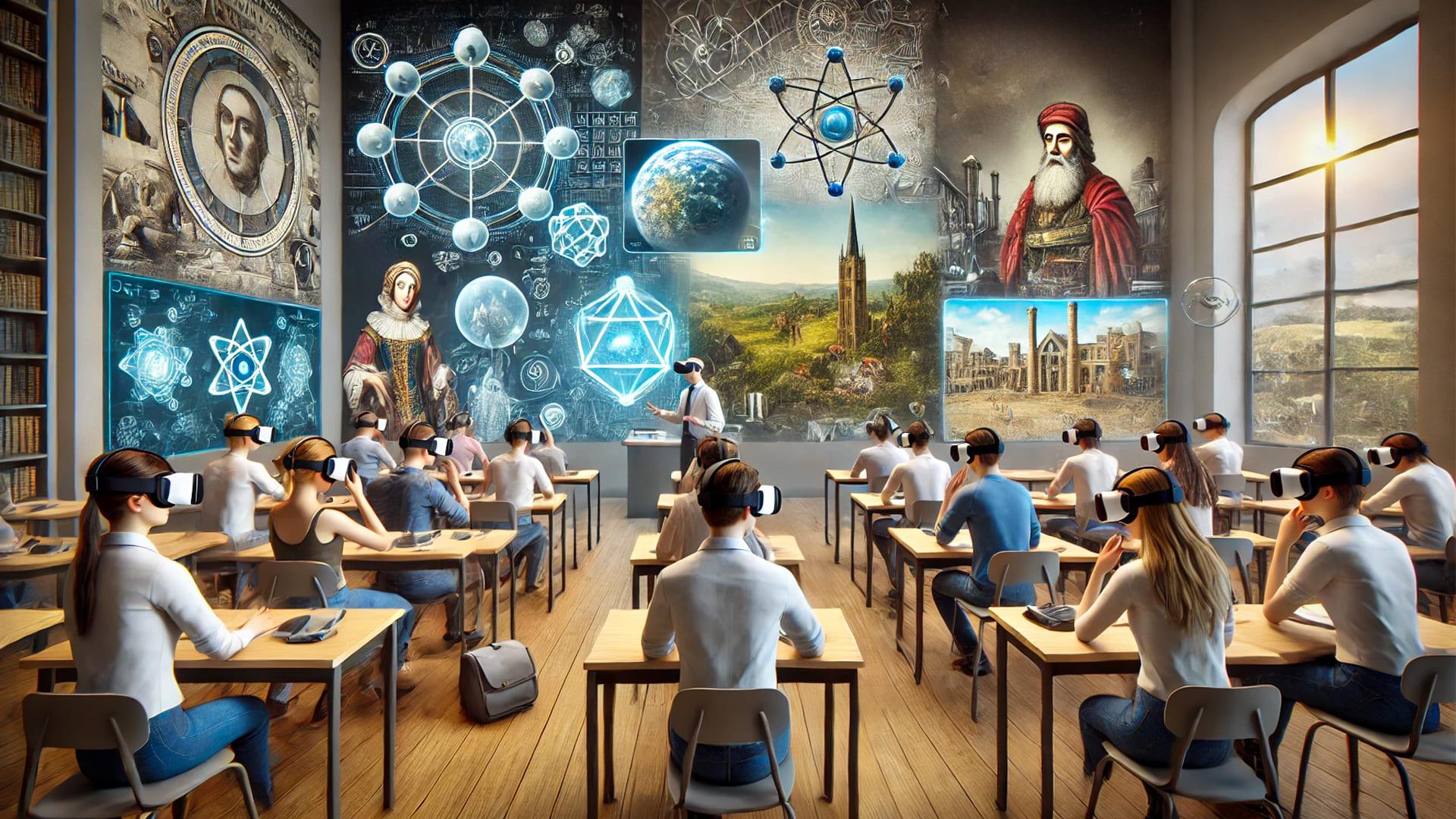
Revolutionizing Education: How VR and AR Power Immersive Learning in Today’s Classrooms
In recent years, schools and educational institutions have witnessed transformative strides in classroom technology. Virtual Reality (VR) and Augmented Reality (AR) stand at the forefront, elevating the learning experience with immersive, interactive content that goes far beyond textbooks and customary lessons. as educators across the globe embrace digital teaching methods, understanding how VR and AR power immersive learning becomes crucial. In this article, we’ll dive deep into the ways these technologies are revolutionizing education, explore their benefits, share practical tips, and spotlight real-world case studies.
Unlocking Immersive Learning: The Role of VR and AR in Modern classrooms
Immersive learning harnesses the power of digital interactivity to engage students more deeply in their education. Virtual Reality in education creates a fully simulated environment, allowing students to explore, interact, and experiment in ways that would be impossible or impractical in physical settings. Augmented Reality in the classroom overlays digital information onto the real world, bringing interactive diagrams, 3D models, and learning prompts into daily lessons.
- Virtual Field Trips: Visit ancient Rome or explore the solar system—all without leaving the classroom.
- Interactive Science Labs: Conduct chemistry experiments safely with VR, observing reactions and outcomes firsthand.
- Language Immersion: Practice new languages in realistic simulated environments, from markets to airports, via AR and VR apps.
- STEM Learning: Manipulate 3D models of atoms or machinery, fostering understanding through hands-on engagement.
The Benefits of VR and AR in Education
1. Enhanced Engagement and Retention
Immersive learning experiences draw students into the subject matter,making lessons memorable and stimulating curiosity. Research has shown that students are more likely to retain information when they are actively involved in the learning process.
2. Improved Accessibility
VR and AR can break down educational barriers by providing equal access to high-quality resources. Remote and underserved schools can bring world-class labs and field trips directly to their students—no travel required.
3. Safe Learning Environments
Students can explore hazardous environments—like volcanoes or deep oceans—without risk, or practice emergency response in controlled simulations.
4. Personalization and Differentiation
With adaptive VR and AR educational platforms, content can be tailored to different learning styles and paces, supporting inclusive education for all abilities.
5. Collaboration and Social Skills
Many immersive platforms encourage teamwork, communication, and project-based learning, strengthening essential 21st-century skills.
Real-World Examples: Success Stories in Immersive Classrooms
Case Study 1: VR in Science Education, California
at a high school in Los Angeles, educators integrated VR headsets into their biology curriculum.Students dissected virtual frogs, observed cellular mitosis up close, and even trekked inside the human circulatory system. Feedback reported a 40% improvement in science test scores, with students expressing greater enthusiasm for STEM subjects.
case Study 2: AR for Early Literacy, finland
Finnish elementary teachers utilized AR-powered storybooks where characters jumped off the page. By scanning pages with tablets, students unlocked animations and interactive word games, substantially increasing phonetic recognition and reading fluency over the semester.
Case Study 3: Virtual History Expeditions, UK
In a london secondary school, VR transported students to ancient Egypt, the trenches of World War I, and the bustling streets of Victorian England. Teachers noted improved empathy, critical thinking, and a sharp rise in historical inquiry assignments.
Practical Tips for Integrating VR and AR in Your Classroom
-
Start Small:
Experiment with free AR apps accessible on smartphones or tablets before investing in specialized equipment.
-
Choose Age-Appropriate Content:
Ensure VR/AR experiences align with curriculum goals and are suitable for students’ developmental levels.
-
Focus on Learning Outcomes:
Use immersive learning as a tool to achieve specific educational objectives—not just as a novelty.
-
Offer Guidance and Support:
Train staff and students on safe and effective headset use, and maintain ongoing technical support.
-
Embrace Collaboration:
Encourage group work and peer teaching within immersive platforms to foster interpersonal skills.
First-Hand Experience: Insights From Educators and Students
“I never thought science could be so engaging. Watching molecules interact in 3D actually made me want to learn more.”
– Sarah, Grade 8 Student
“Introducing VR didn’t just boost test scores, it sparked curiosity. Students ask more questions and take initiative in their learning.”
– Mr. L. Patterson, Science Teacher
Educators consistently report higher engagement, motivation, and collaboration when AR and VR in the classroom is implemented strategically. Students value the hands-on experience, and teachers appreciate the new ways to personalize instruction and make complex concepts tangible.
Challenges and Considerations for Immersive Learning
- Cost and Accessibility: VR headsets and AR-enabled devices can be expensive, though prices are dropping as technology becomes mainstream.
- Technical Hurdles: Schools may require infrastructure upgrades, such as improved Wi-Fi or device management solutions.
- Screen Time Concerns: Balancing immersive tech use with physical activity and offline learning remains importent.
- Professional Development: Ongoing teacher training is essential for effective VR/AR integration.
Conclusion: Unlocking the future of Education
The positive impact of immersive learning through VR and AR in education is undeniable. As more schools adopt these technologies, students gain unprecedented opportunities to explore, create, and collaborate within dynamic learning environments. While challenges remain, the potential to foster curiosity, boost retention, and bridge educational gaps makes VR and AR-powered classrooms a driving force in the future of learning. By thoughtfully integrating immersive tools and ensuring equitable access, educators can truly revolutionize the way knowledge is shared and experienced for generations to come.