
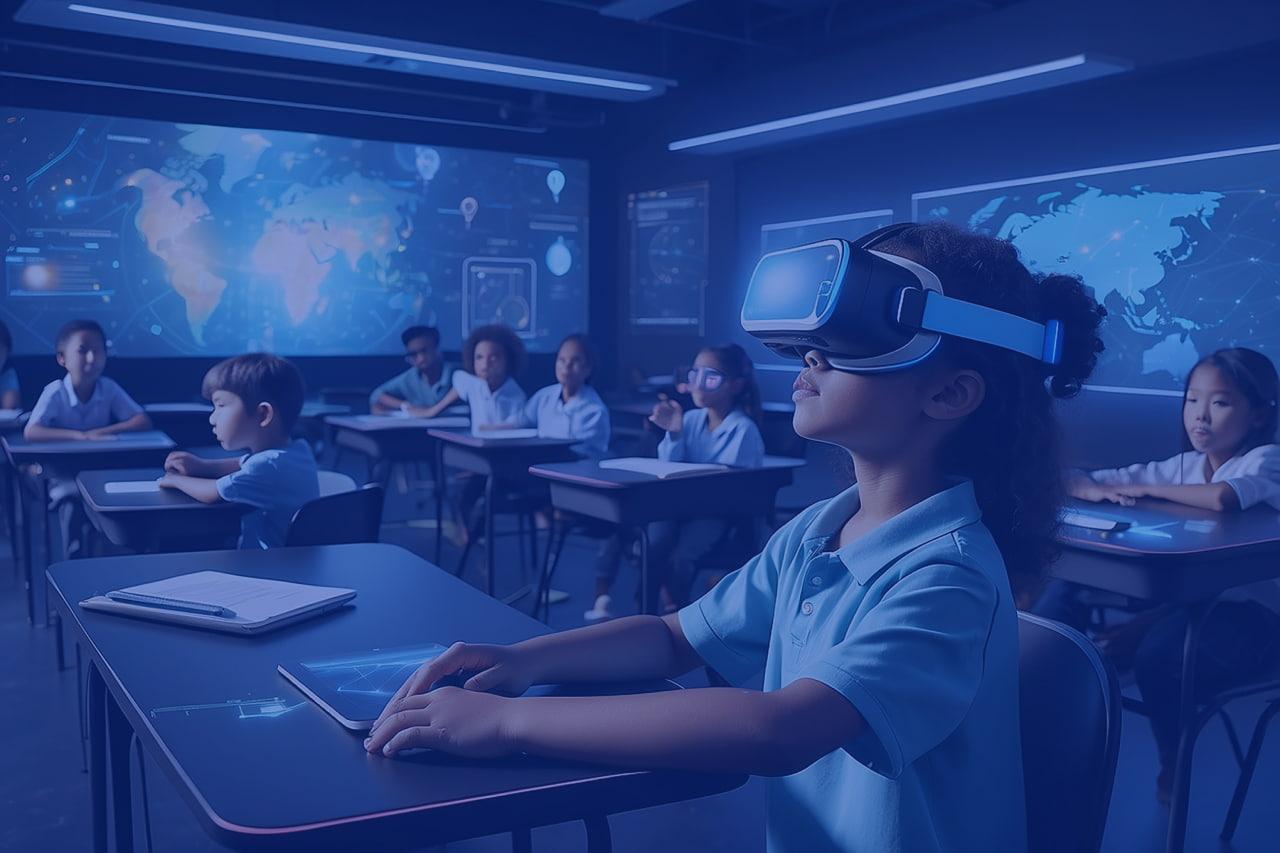
Revolutionizing Education: How VR & AR are Transforming Immersive Learning Experiences
The way we learn is undergoing a digital renaissance. Virtual Reality (VR) and Augmented reality (AR) are not just buzzwords—they’re cutting-edge tools that are fundamentally revolutionizing education and reshaping immersive learning experiences worldwide.As schools, colleges, and educators seek new ways to engage digital-native students, VR and AR are leading the charge, offering innovative solutions for classrooms of the future.
What Are VR and AR? Understanding the Basics
Before diving into their transformative power, it’s helpful to clarify what these technologies entail:
- Virtual Reality (VR) immerses learners in a fully digital 3D environment using headsets. This allows users to experience simulations, visit historical sites, or conduct science experiments—all in a virtual setting.
- Augmented Reality (AR) overlays digital elements onto the real world, often through smartphones, tablets, or AR glasses. This integration enhances real-life experiences with interactive, contextual information.
Together,VR and AR are revolutionizing education by enabling immersive learning experiences that were once unimaginable.
Key Benefits: How VR & AR are Revolutionizing Education
Integrating VR and AR in the classroom provides several distinct advantages for teachers and students alike. Here’s how immersive learning is changing the educational landscape:
- Enhanced Engagement: Immersive environments make learning fun, interactive, and appealing, helping students retain more information.
- Experiential Learning: Students can practice real-world skills, conduct virtual labs, or explore faraway lands without leaving the classroom.
- Personalized education: Adaptive VR & AR platforms can tailor content to individual learning paces and styles, supporting differentiated instruction.
- Improved Retention and Recall: Studies suggest that hands-on and visually rich content boosts knowledge retention over traditional methods.
- Access to Or else Inaccessible Experiences: Whether touring ancient ruins, exploring the solar system, or dissecting a digital frog, VR & AR make the impossible possible.
- Collaboration and Dialog: Virtual classrooms and AR activities foster teamwork and social skills in dynamic, remote, or hybrid learning setups.
Real-World Applications: VR and AR in the Classroom
Let’s explore the practical ways VR and AR are transforming daily educational experiences across different age groups and subjects:
1. virtual Field Trips
No permission slips required—VR enables students to trek through the Amazon, visit the International Space Station, or walk inside a Renaissance painting, all from their school desks.
2. Science and Medicine
AR apps can bring the periodic table to life, while VR simulations let medical students practice surgeries in a risk-free environment. This revolutionizes complex subjects, making abstract concepts tangible.
3. Language Learning
Immersive VR environments allow students to practice languages by ‘walking’ through virtual markets in France or conversing with digital avatars, fostering real-world fluency.
4. Special Education
Customized VR and AR platforms cater to diverse learning needs, providing multisensory experiences and tailored support for students with disabilities.
5. History and Social Studies
Imagine standing in the crowd during Martin Luther King Jr.’s “I Have a Dream” speech or exploring ancient civilizations. VR allows students to experience history as if they were there.
Compelling Case Studies: VR & AR Transforming Education
The real impact of VR and AR in education is best illustrated through case studies:
-
Case Study 1: Harvard’s Use of VR in Medical Training
Harvard Medical School implemented VR for anatomy lessons, enabling students to visualize the human body in 3D. The hands-on virtual approach significantly improved students’ understanding and performance during assessments.
-
Case Study 2: Google expeditions
Thousands of schools worldwide have participated in Google Expeditions, using affordable VR headsets to take virtual field trips. teachers report greater student engagement and excitement for learning.
-
Case Study 3: Immersive AR in STEM Learning
Companies like Merge EDU offer AR experiences where students handle virtual planets, molecules, or ancient artifacts, making science and history interactive, visual, and memorable.
Practical Tips: How to Implement VR & AR in Education
Interested in leveraging VR and AR for your classroom or educational institution? Here are actionable steps to get started:
- Assess Infrastructure Needs: Invest in compatible devices such as VR headsets or tablets. Ensure robust Wi-Fi and technical support are available.
- Start with Free or Low-Cost Apps: Platforms like Google Expeditions, Nearpod VR, and AR-enabled textbooks offer a wealth of content at little to no cost.
- Offer Teacher Training: Set up workshops and provide resources to help educators integrate VR and AR effectively into their lesson plans.
- Focus on Curriculum Alignment: choose experiences that complement existing curricular goals and learning outcomes.
- Encourage Collaboration: Implement group activities and collaborative projects to maximize the social and creative potential of immersive technology.
- Evaluate & Iterate: Gather feedback from teachers and students, monitor outcomes, and refine your approach over time.
First-Hand Experiences: Voices from the Classroom
“Using VR to walk on the moon made science come alive for my students. they asked thoughtful questions and remembered the experience for weeks!”
— Mrs. Jenkins, 5th Grade Teacher
“AR flashcards transformed how I teach vocabulary. Students were excited and eager to participate every day.”
— Mr. Patel, ESL Educator
Challenges and Considerations
While the future of immersive learning is luminous, there are important challenges to consider:
- Cost Barriers: High-quality VR headsets and AR devices can be expensive, though costs are steadily falling and affordable options are growing.
- Digital Equity: Ensuring all students have access to immersive technology is critical for closing the digital divide.
- Teacher Training: Prosperous adoption requires ongoing professional development and support for educators.
- Content Quality: Not all VR/AR experiences are created equal; focus on proven, educationally sound resources.
The Future of Immersive Learning
As technology advances, the integration of VR and AR in education will onyl deepen. Next-generation classrooms will rely on immersive learning to ignite curiosity, enhance collaboration, and boost student achievement. EdTech innovators are already developing AI-powered VR tutors and cross-platform AR solutions, promising even greater levels of personalization and accessibility.
Conclusion: Embracing the Educational Revolution
VR and AR are no longer just futuristic concepts—they’re powerful tools revolutionizing education today by unlocking new immersive learning experiences. Whether simulating the surface of Mars or bringing historical events to life, these technologies inspire curiosity and foster deeper understanding across subjects and grade levels.
The path ahead will require thoughtful investment, professional development, and a commitment to equity. But as more schools and educators embrace VR and AR, the dream of interactive, engaging, and truly transformative education is becoming a reality for learners everywhere.