
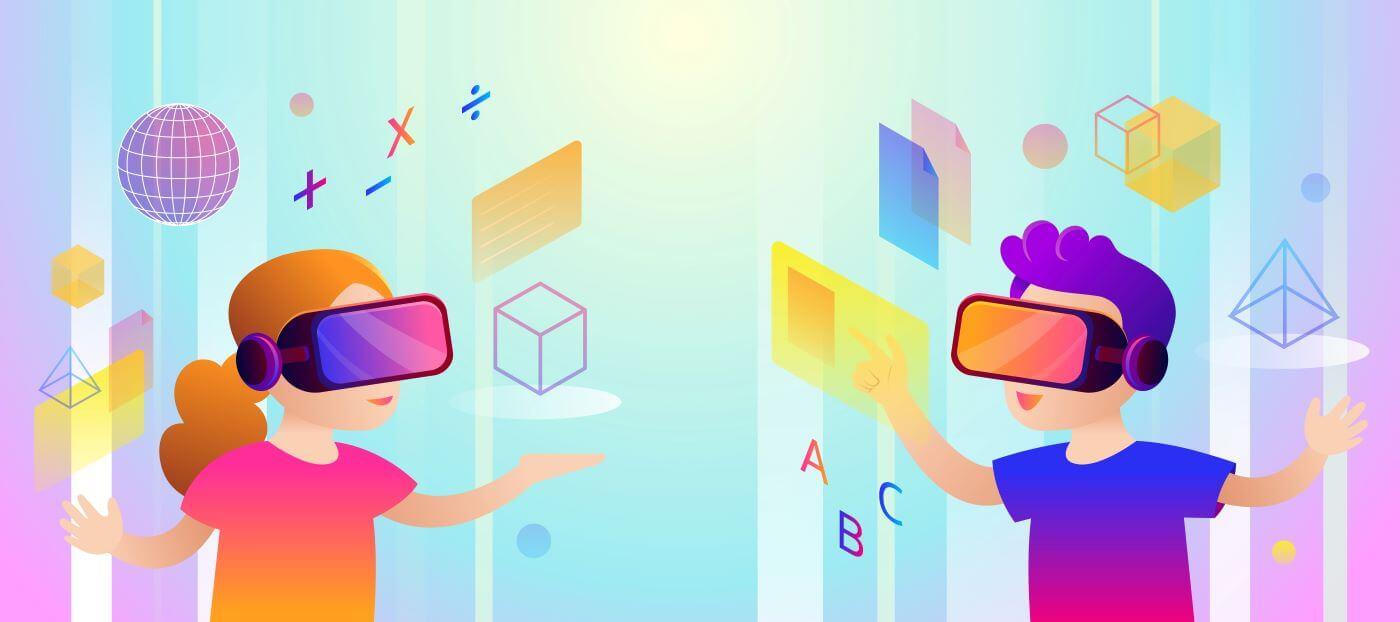
Revolutionizing Education: How VR & AR Drive Immersive Learning in Modern Classrooms
Explore how Virtual Reality (VR) and Augmented Reality (AR) are reshaping the educational landscape, bringing interactive, immersive learning experiences into modern classrooms for both teachers and students.
Introduction: The Evolution of Learning Environments
The world of education is evolving at a rapid pace—driven by technological advancements and a growing demand for engaging, digital learning experiences. Among these innovations, Virtual Reality (VR) and Augmented Reality (AR) are at the forefront of revolutionizing classrooms worldwide. Gone are the days of passive,one-way teaching.Today, immersive learning thru VR and AR empowers students to experience, interact, and engage with their subjects like never before, bridging the gap between theoretical knowledge and real-world application.
Understanding VR and AR in Education
Before delving into their impact, let’s clarify what VR and AR mean for modern classrooms:
- Virtual Reality (VR): Creates a fully immersive, computer-generated environment that allows students to explore scenarios beyond the physical classroom—think virtual field trips to the pyramids or molecular structures at a microscopic level.
- Augmented Reality (AR): enhances the real world by overlaying digital elements (images, videos, data) onto physical environments using smartphones, tablets, or AR glasses. Imagine interactive 3D models of planets popping up from the pages of a textbook.
Both VR and AR technologies are designed to support active learning, promoting deeper understanding and retention of complex concepts through hands-on experiences.
The Benefits of Immersive Learning with VR & AR
integrating immersive technology in education delivers a range of benefits for students, teachers, and the wider community:
- Enhanced Engagement: Interactive 3D simulations and virtual environments capture students’ attention and boost motivation.
- Improved Knowledge Retention: Students learn by doing, which typically leads to better retention and understanding, especially of abstract or complex topics.
- Personalized Learning Experiences: VR & AR platforms adapt to individual learning paces and preferences, catering to diverse needs and learning styles.
- Safe Practice Environments: Simulate perilous or expensive scenarios (like chemical experiments or medical procedures) safely and repeatedly.
- Global collaboration: Students can interact and collaborate with peers around the world in shared virtual spaces, fostering global citizenship.
- Accessibility: VR and AR can support students with learning disabilities by making content more interactive and adaptable.
Real-World Case Studies: VR & AR Transforming Classrooms
Educators globally are already embracing these technologies, seeing tangible results in student outcomes.
1. virtual Field Trips at Washington Leadership Academy (USA)
By integrating Google Expeditions, students take virtual journeys to places like the Great Wall of China or the International Space Station—removing financial and logistical constraints of traditional field trips.
2. Interactive Anatomy Lessons in the UK
ZSpace AR displays allow biology students to manipulate life-sized virtual human organs. Teachers report significant increases in understanding and enthusiasm compared to static textbook images.
3. Empathy Training in Finnish Schools
Schools use VR simulations to help older students experience life from the viewpoint of refugees or bullied peers, leading to heightened empathy and social awareness.
First-Hand Experience: A Teacher’s Perspective
“The first time my class used VR to walk through a rainforest, their excitement was contagious.Students who rarely participated raised their hands, asked questions, and talked with each other about the animals they ‘met’. It’s changed the way I approach lesson planning and classroom engagement.”
— Mrs. laura Dietz, Middle School Science Teacher
Teachers worldwide echo Mrs. Dietz’s experience, noting that VR and AR create a level playing field—lifting engagement for all learning abilities and backgrounds.
Practical Tips: Implementing VR & AR in Your Classroom
- Start Simple: Begin with applications like Google Expeditions or Merge Cube, which require minimal investment and training.
- Leverage existing Devices: Many AR apps function on smartphones and tablets,so there’s no need for expensive VR headsets initially.
- Align with curriculum: Integrate VR and AR content directly with lesson objectives to reinforce traditional teaching outcomes.
- Encourage Collaboration: use group activities in immersive settings to develop critical thinking and social skills.
- Ensure Safety and Accessibility: Review age-appropriate guidelines and offer alternatives for students who may experience discomfort with headsets.
- Foster Continuous Learning: Attend edtech workshops, webinars, and connect with educator communities to stay updated on the latest immersive learning resources.
Challenges and Solutions for Immersive Learning
Despite the clear advantages, implementing VR and AR in modern classrooms comes with challenges:
- Cost of Devices: Entry-level solutions and grant programs can help schools get started without major investments.
- Teacher Training: Professional development is essential—many providers offer free resources and certifications for educators.
- Content Availability: Rapid growth in educational VR and AR content means more resources are becoming available every year.
- Technology Integration: IT support and reliable internet are critical for seamless experiences; phased rollouts can mitigate disruption.
With thoughtful planning and community support, these barriers can be overcome, ensuring more inclusive, innovative classrooms for all.
Future Trends: Where is Immersive Education Headed?
The future of immersive learning is radiant. expect rapid improvements in hardware and content, including:
- Affordable, lightweight VR headsets and AR glasses
- AI-powered adaptive learning environments
- Curriculum-aligned multi-user simulations
- Seamless integration with LMS (Learning Management Systems)
As these technologies become increasingly accessible, immersive learning will move from innovative pilot projects to core components of modern education.
Conclusion: Embracing the Future of Education
VR and AR in education are no longer distant dreams—they are practical tools that bring academic subjects to life, increase engagement, and prepare students for a rapidly changing world. Whether you’re a teacher, administrator, or a parent, now is the perfect time to explore immersive learning and harness its transformative power. By integrating VR and AR into the classroom, we open a world of possibilities—where students don’t just learn about the world, but actively experience it.