
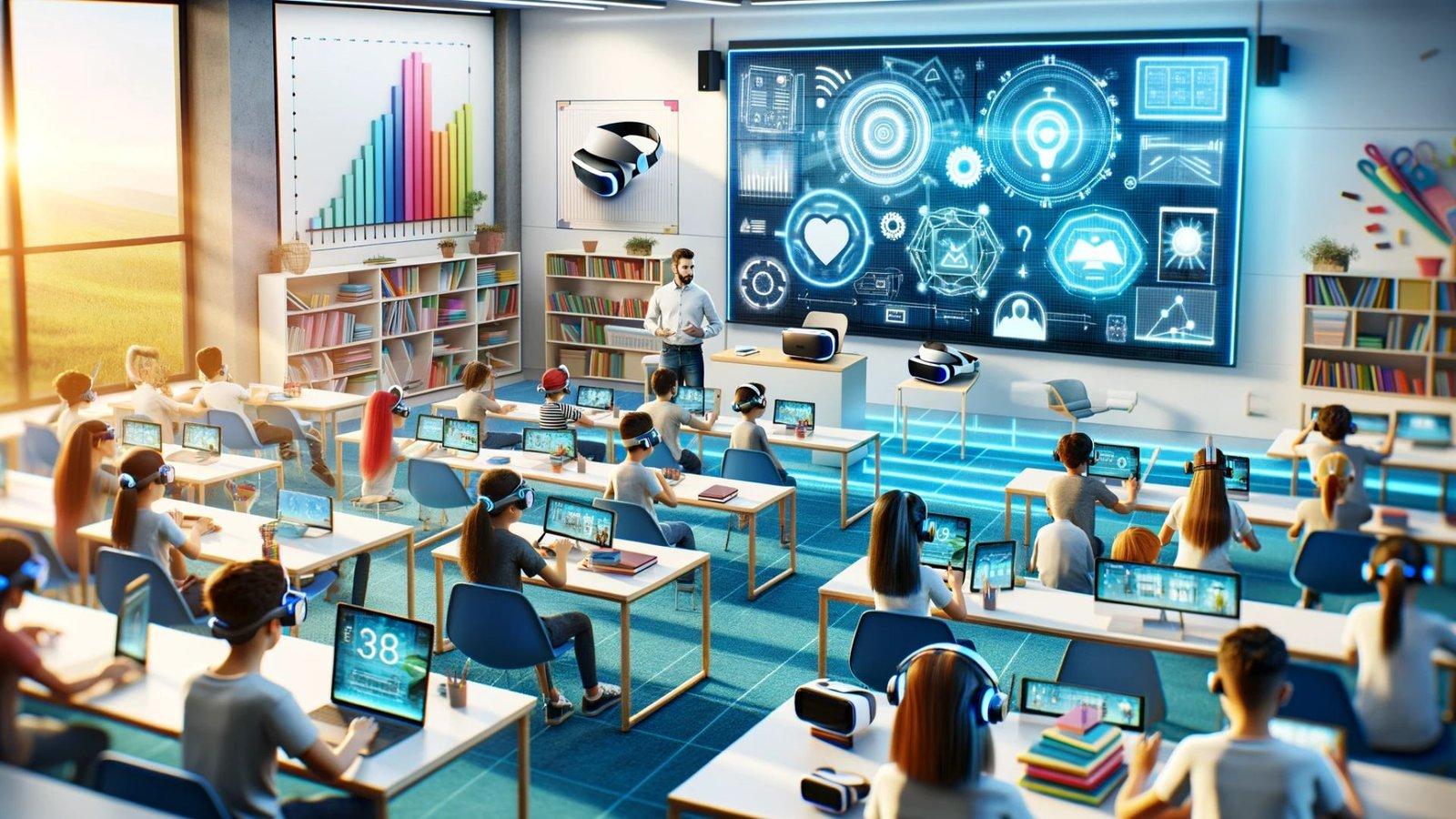
Revolutionizing Education: Innovative Sustainable Technologies for Modern classrooms
Education is experiencing a transformative evolution driven by innovative sustainable technologies. As schools seek to enhance learning while minimizing environmental impact, modern classrooms are embracing advanced solutions that foster student engagement, support digital literacy, and promote eco-friendly practices. In this extensive guide,you’ll explore how the integration of sustainable technology in education is revolutionizing learning environments,discover practical tips for implementation,and gain insights from real-world case studies.
What Are Sustainable Technologies in Education?
Sustainable technologies in education refer to tools, systems, and methods designed to improve learning experiences while reducing environmental footprints. These solutions not only enhance classroom efficiency but also encourage responsible resource usage, energy conservation, and digital empowerment. Popular keywords associated with this topic include green technologies for schools, eco-friendly classroom solutions, and innovative education technology.
- Renewable energy systems: Solar panels, wind turbines, and energy-efficient lighting
- Digital learning platforms: Cloud-based tools, e-books, and paperless assignment management
- Smart classroom solutions: interactive displays, IoT devices, and adaptive learning software
- water conservation technologies: Automated faucets, low-flow systems, and rainwater harvesting
- Waste reduction initiatives: Recycling programs and composting
Benefits of Innovative Sustainable Technologies in Modern Classrooms
The adoption of sustainable technologies brings a multitude of advantages to teachers, learners, and the wider school community. Here are some key benefits of eco-friendly classroom innovations:
- Enhanced Learning Outcomes: Interactive platforms and adaptive software engage students and improve data retention.
- Resource Efficiency: Digital resources reduce paper consumption, minimizing waste and saving costs.
- Environmental Stewardship: Solar-powered campuses, sustainable buildings, and recycling foster greener habits among students.
- Healthier Learning Environments: Improved air quality, natural light, and smart climate controls support student well-being.
- Scalability and Flexibility: Cloud-based learning and IoT devices enable remote and personalized education.
Practical Tips for Implementing Sustainable Technologies in Schools
Adopting innovative, sustainable technologies in education requires planning, collaboration, and strategic investments. Here are practical steps to successfully transform your classroom or school:
- Assess Current Infrastructure: evaluate your school’s energy usage, resource management, and existing technologies.
- Set Clear Sustainability Goals: Define objectives such as reducing electricity consumption, minimizing paper use, or adopting renewable energy.
- Engage Stakeholders: Involve teachers, administrators, students, and parents in planning and decision-making.
- Prioritize High-Impact Solutions: Start with technologies that offer important ecological and educational benefits.
- Train & Support: Ensure teachers and IT staff receive guidance for using new tools and platforms.
- Monitor & Evaluate: Track progress with performance analytics and make data-driven adjustments.
- Promote Eco-Consciousness: Integrate sustainability into the curriculum and encourage green practices among students.
Trending Sustainable Technologies Reshaping Modern Classrooms
Technology is evolving at an unprecedented pace,offering schools new opportunities to redesign learning spaces for the future. Here are some leading sustainable classroom technologies:
Solar-Powered Smart Classrooms
- School buildings equipped with solar panels help reduce reliance on conventional energy and cut operational costs.
- Solar energy powers smart boards, digital devices, and efficient HVAC systems.
IoT and Sensor-Based Environments
- IoT sensors monitor air quality, temperature, and occupancy for optimized energy consumption.
- Automated lighting adapts to daylight levels, minimizing waste.
Digital Learning Platforms & paperless Solutions
- Cloud-based assignment management systems prevent needless printing and paper waste.
- E-books and online resources support interactive, sustainable learning.
Recycled & Sustainable Classroom Materials
- Furniture made from recycled materials and sustainable woods contributes to greener classrooms.
- Non-toxic, biodegradable supplies ensure healthy learning environments.
Energy-Efficient Devices
- Chromebooks, laptops, and tablets designed for low energy consumption support long-term sustainable usage.
- Smart projectors and LED displays reduce electrical overhead.
Case Studies: Sustainable Technology in Action
Real-world examples illuminate the transformative impact of innovative classroom technologies.Here are inspiring case studies from around the world:
Solar-Powered Schools in California
The Sacramento City Unified School District invested in extensive solar panel installations, generating enough renewable electricity to power classrooms and administrative offices. The district reports annual energy savings exceeding $1.85 million and a 40% reduction in carbon emissions — funding now redirected to educational programs and student enrichment.
Digital-first learning in Finland
Finland’s commitment to digital conversion has translated into cloud-based curricula, virtual classrooms, and paperless administration. Schools use e-books and online collaboration platforms, dramatically reducing paper consumption and administrative waste. Finnish students benefit from flexible,personalized learning with continuous access to resources.
Green School Bali: A Model for Sustainable Education
Green School Bali places sustainability at the core of its educational ideology. The campus features bamboo architecture, permaculture gardens, and renewable energy systems. Lessons are closely tied to ecological stewardship, with students actively involved in maintaining solar panels, recycling, and water conservation. Graduates emerge as leaders in global sustainability initiatives.
First-hand Experience: Teachers & Students Share Insights
“After introducing digital devices and solar power to our classrooms, students feel more motivated and responsible for their surroundings. The integration of sustainable technology has not only made lessons more engaging but also encouraged everyone to be more eco-conscious.”
— Mrs. Linda Cho, Middle School science Teacher
“Learning about renewable energy in our own solar-powered classroom made the topic real and exciting.We even track our school’s energy consumption and suggest ways to cut waste. I feel like I’m part of something bigger!”
— Ashwin, Grade 8 Student
Challenges and Solutions for Adopting Sustainable Technologies
Despite numerous advantages, integrating innovative sustainable technologies in education comes with challenges:
- Upfront Costs: While some solutions require initial investment, government grants and public-private partnerships can ease the financial burden.
- Professional Development: Ongoing teacher training is essential for effective use and integration.
- Infrastructure Upgrades: Outdated facilities may need retrofitting for compatibility with new technologies.
- equity and accessibility: Ensuring all students benefit requires affordable access to digital devices and online resources.
To overcome these barriers, schools are encouraged to:
- Leverage funding from eco-innovation grants and education technology programs.
- Partner with technology providers for discounted devices and systems.
- Invest in regular staff development and student orientation sessions.
- Establish community outreach initiatives to broaden access and promote sustainability.
Conclusion: Paving the Way for Sustainable, Innovative Education
Sustainable technologies are reshaping modern classrooms by providing eco-friendly, efficient, and engaging learning experiences. From solar-powered campuses to digital-first platforms, the benefits ripple far beyond environmental stewardship, fostering better educational outcomes and responsible global citizens. as more schools embrace these innovations, the future of education looks brighter, greener, and infinitely more connected.
Ready to revolutionize your learning environment? Begin by evaluating your current processes, engaging your community, and integrating proven sustainable technologies. Together, you can create classrooms that nurture both minds and the planet—setting a visionary standard for educational excellence in the 21st century.
Keywords to Remember: Sustainable classroom technologies, innovative education technology, eco-friendly school solutions, green learning environments, digital transformation in schools, sustainable learning platforms.