
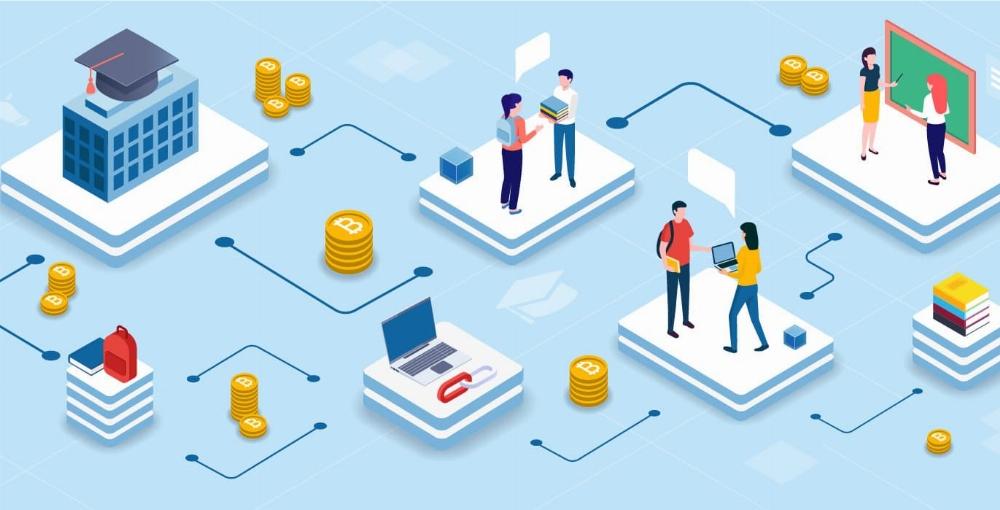
Revolutionizing Education: top Case Studies of Blockchain in Higher Education
Blockchain technology is no longer just a buzzword within the world of finance. Over the past decade, the potential of blockchain in higher education has sparked global conversations and transformative case studies. from secure digital credentials to streamlined data management and enhanced academic clarity, blockchain is rewriting the rulebook for universities and colleges worldwide. In this article, we’ll delve into the most compelling case studies, explore the benefits, and provide practical insights into how blockchain is revolutionizing higher education.
Understanding Blockchain in Higher Education
At its core,blockchain is a decentralized ledger that securely records transactions and data in a tamper-proof manner. When applied to higher education, blockchain enables universities to issue verifiable digital diplomas, store academic records securely, and even facilitate new modes of learning and assessment. These applications mean fewer administrative headaches, faster verification, and greater trust for all stakeholders—students, faculty, employers, and institutions.
Key Benefits of Blockchain in Higher Education
- Enhanced security: Academic credentials and transcripts stored on blockchain are immutable and protected from unauthorized changes.
- Streamlined Verification: Employers, institutions, and students can instantly verify qualifications, reducing the lengthy credentialing process.
- Cost Efficiency: Automating administrative processes through smart contracts and distributed ledgers reduces operational costs.
- Global Recognition: Cross-border academic achievements are easily validated, supporting student mobility and international admissions.
- Lifelong Learning Records: Students can consolidate credentials from multiple institutions into a single digital wallet for lifelong access.
Top case Studies: Blockchain in Higher Education
Multiple institutions across the globe are pioneering blockchain solutions, setting examples for the future of education. Let’s explore some of the most transformative blockchain in higher education case studies to date.
1. Massachusetts Institute of Technology (MIT) – Digital Diplomas with Blockchain
In 2017, MIT broke new ground by issuing blockchain-based digital diplomas to graduates through its pilot program, in partnership with Learning Machine. using the Blockcerts platform, MIT enabled students to receive a verifiable digital diploma alongside their traditional paper degree.
- Benefits: Graduates control their credentials, easily share them with employers, and avoid the risk of lost or forged diplomas.
- Practical Tip: Institutions looking to adopt this approach should consider Blockcerts’ open standard, which facilitates credential verification across borders and systems.
2. University of Nicosia – Blockchain-Powered Academic Records
The University of Nicosia in Cyprus became the world’s first university to offer a Master’s degree in Blockchain and Digital Currency. Recognizing the technology’s promise, the university moved its academic certificates and transcripts onto the Bitcoin blockchain in 2014.
- Benefits: instant credential verification, international authentication, and reduction in administrative overhead.
- First-Hand Experience: Faculty and alumni report positive feedback from employers, who appreciate the ease of verifying graduates’ qualifications.
3. Sony Global Education & IBM – Educational Data Management
In 2017,Sony Global Education partnered with IBM to develop a blockchain-based educational platform capable of storing and sharing student records securely. the system allows multiple parties—a student’s school, university, and even extracurricular organizations—to record achievements in a single, unified blockchain ledger.
- Benefits: Centralized access to cross-institutional learning and performance data, improved transparency, and data privacy.
- Key Takeaway: Institutions can collaborate to offer complete lifelong learning records, benefiting students with a holistic educational portfolio.
4. Cryptographic Digital Certificates – Malta’s Ministry for Education
The Ministry for Education and Employment of Malta launched a transformative blockchain pilot in 2017 with Learning Machine to issue and verify academic certificates. The initiative paved the way for a national roll-out, enabling all educational credentials in Malta to be verified instantly online.
- Benefits: national and cross-border verification of academic credentials, increase in trust and recognition of Maltese qualifications.
- Practical Insight: Government buy-in is crucial for scaling blockchain credentialing to the public sector.
5. Woolf University – The First Blockchain University
Founded by academics from Oxford and Cambridge, Woolf University operates as the world’s first fully-accredited,blockchain-powered higher education institution. Utilizing smart contracts, Woolf automates administrative processes such as course registration, tuition payment, attendance monitoring, and degree issuance.
- Benefits: Reduced bureaucracy, improved academic integrity, and direct peer-to-peer engagement between faculty and students.
- First-Hand Experience: Students praise the transparency of the system, especially the self-sovereignty over their academic records.
Emerging Trends: Blockchain and the Future of Academic Innovation
Beyond credentialing,universities are exploring blockchain for new academic paradigms:
- Decentralized Learning Platforms: Blockchain enables collaborative, decentralized educational ecosystems where learning materials, assessments, and achievements are peer-reviewed and immutably recorded.
- Smart Contracts: Automating tuition payments, scholarships, and even faculty contracts to increase efficiency and reduce disputes.
- Lifelong Learning Records: Blockchain empowers learners to aggregate digital badges, micro-credentials, and formal degrees from various providers into a single, tamper-proof portfolio—boosting employability and upskilling efforts.
Practical Tips for Universities Adopting blockchain
- Start with a Pilot Project: Test blockchain with a small batch of digital diplomas or certificates before scaling up.
- Collaborate Across Sectors: Partner with tech providers, government agencies, and employers for broader ecosystem buy-in and interoperability.
- Prioritize Privacy: Ensure compliance with data protection regulations such as GDPR when designing blockchain solutions.
- Focus on User Experience: Develop intuitive portals and mobile apps to make digital credentials accessible to all stakeholders, from students to hiring managers.
- Continuous Feedback: Gather input from students, faculty, and employers to refine the blockchain system and maximize its impact.
first-Hand Experience: Voices from the Blockchain Classroom
A recent survey from Credential Engine found that more than 70% of students and graduates who received blockchain-based credentials rated their experience as “excellent,” highlighting the simplicity of storing and sharing their achievements. Employers also expressed enthusiasm, noting quicker and more reliable verification compared to traditional methods.
“Blockchain credentials made my international job application process seamless. My new employer was able to verify my degree in minutes rather than weeks.” — University of Nicosia Graduate
Conclusion: Blockchain’s Role in the Next Chapter of Higher Education
Blockchain technology is poised to reshape the future of higher education by enhancing security, fostering transparency, and increasing efficiency in academic administration. As shown by leading institutions like MIT, the University of Nicosia, and Woolf University, blockchain is much more than a digital ledger—it’s a catalyst for institutional innovation and student empowerment.
for universities, the time to experiment and innovate is now. By embracing blockchain,higher education can become more accessible,trustworthy,and future-ready,meeting the evolving demands of a global,digital-first generation of learners.
Ready to explore blockchain in higher education? Start your pilot today and join the ranks of pioneering institutions shaping the future of learning.